Picture this: a city gridlocked, then suddenly, sleek electric aircraft are zipping overhead, ferrying people to their destinations. That's the future Eve Air Mobility is building towards. But unlike many of its competitors, this Florida-based company, an offshoot of aviation giant Embraer, has a slightly different flight plan.
Most air taxi hopefuls want to build the planes and run the taxi service. Eve, however, is taking a page from the traditional aerospace playbook. They're focusing purely on manufacturing their electric vertical takeoff and landing (eVTOL) aircraft, then selling them to operators. Think of them as the Boeing of the sky-taxi world, not the Uber.
"We're an original equipment manufacturer at heart," explained Megha Bhatia, Eve's chief commercial officer. And they're sticking to what they know. This strategy seems to be paying off: Eve boasts an industry-leading 2,700 customer orders for its four-passenger, piloted air taxis, which are designed for a roughly 60-mile range. They'll even offer maintenance and pilot training, because someone's got to keep these things flying and on course.
We're a new kind of news feed.
Regular news is designed to drain you. We're a non-profit built to restore you. Every story we publish is scored for impact, progress, and hope.
Start Your News DetoxThe Slow and Steady Wins the Sky Race
While some companies are in a mad dash to launch commercial flights this year, and Boeing's Wisk Aero is aiming for autonomous operations by 2030, Eve is hitting the brakes — or rather, carefully checking the pre-flight checklist. "We're not in the race to be first," Bhatia noted, emphasizing a commitment to safety and reliability over speed.
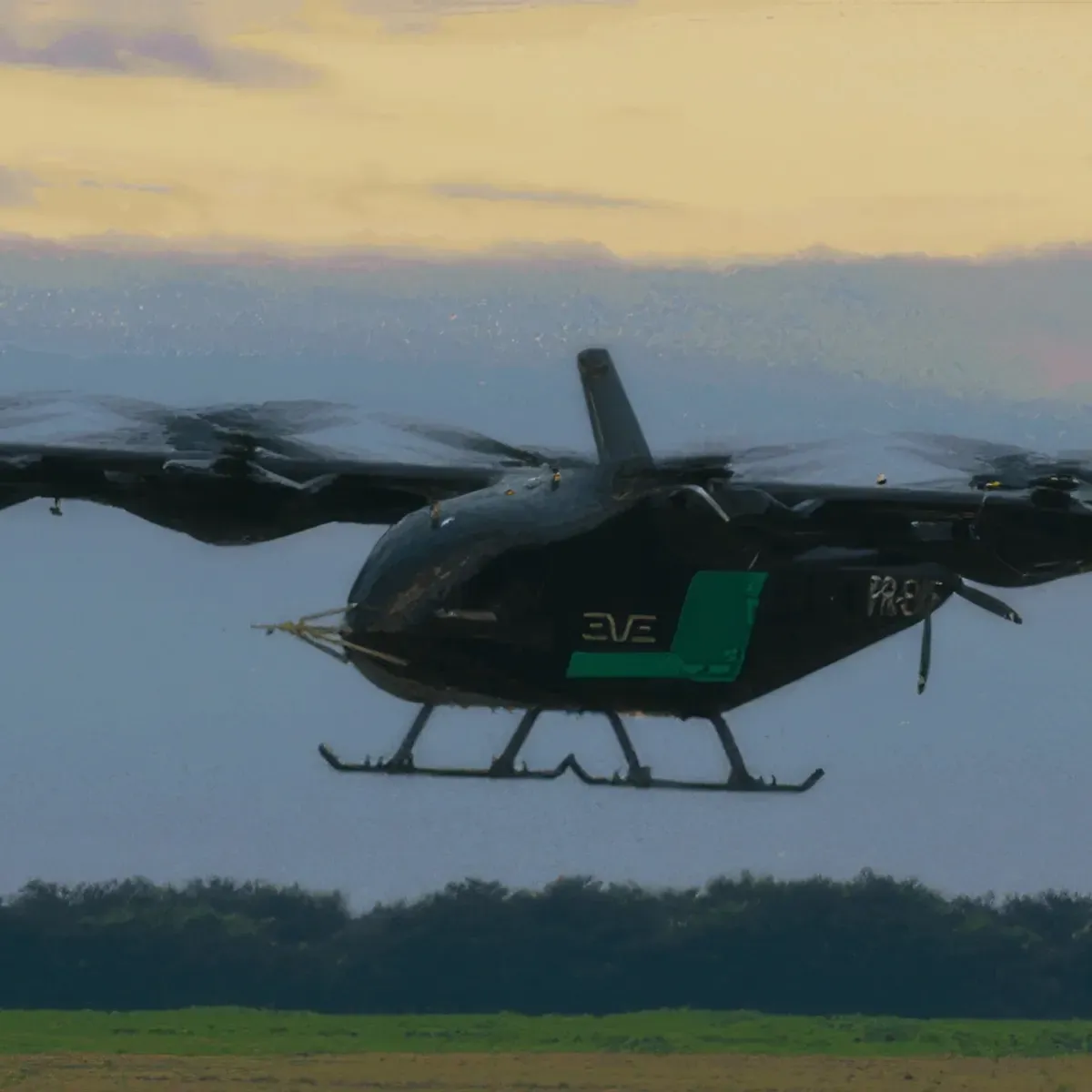
Their prototype has already completed 59 successful flights, including the crucial hover and low-speed maneuvers. The design itself is rather clever: fixed rotors handle the takeoff and landing, then a rear-mounted propeller takes over for forward flight. Fewer moving parts means less downtime, fewer maintenance headaches, and ultimately, more flights per day. Which, if you think about it, is both impressive and slightly terrifying.
Eve aims to launch its services in 2028, helping alleviate traffic in ever-expanding cities and connecting them to airports. They might not be the first to market, but they're certainly making a strong case for being the one you actually want to fly in.