Turns out, a 5,000-year-old monument in Spain was still a big deal way into the Middle Ages. DNA just spilled the secret: people kept using it as a sacred spot for thousands of years longer than anyone thought.
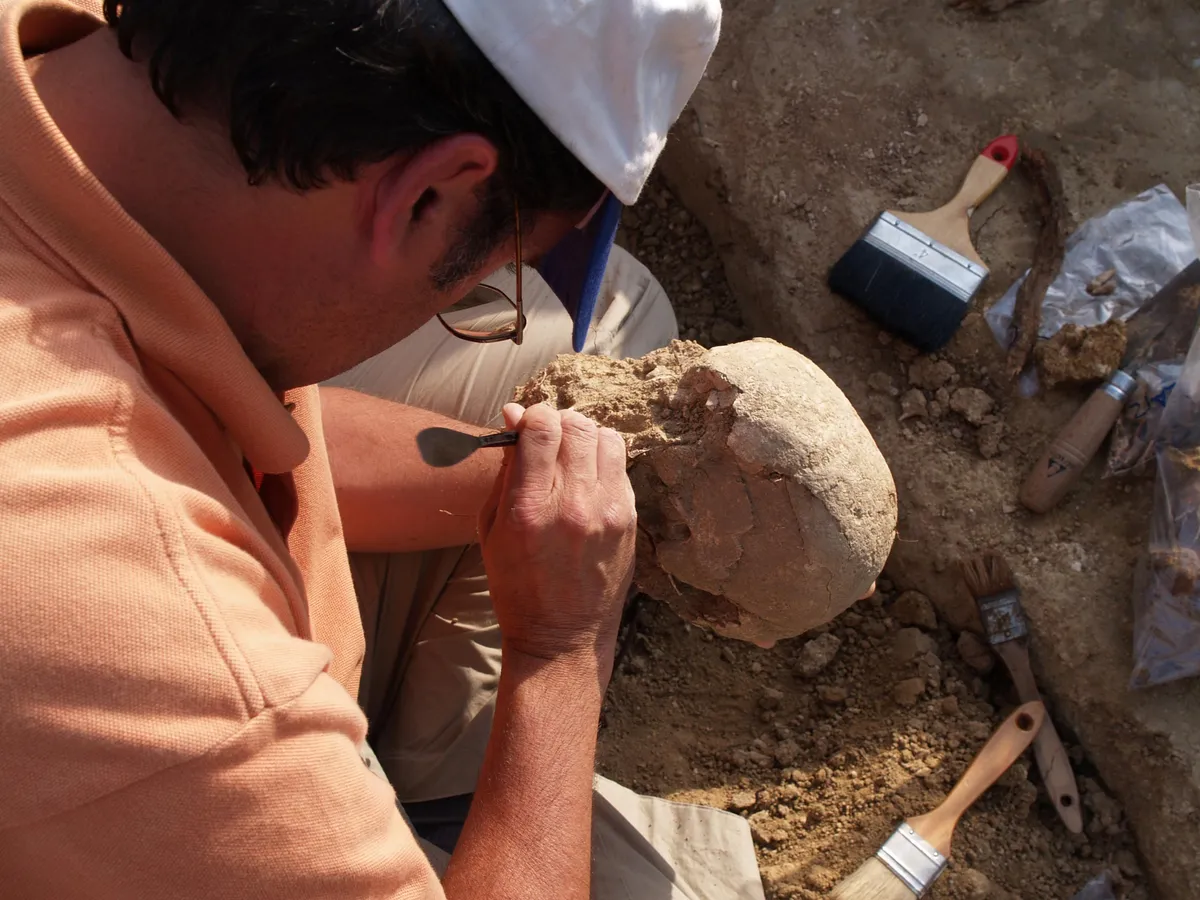
Researchers just cracked open a hidden chapter in the history of one of Spain's most famous ancient sites. They used old DNA to peek into the lives of two men buried inside the Menga dolmen in southern Spain.
Unearthing a Medieval Mystery
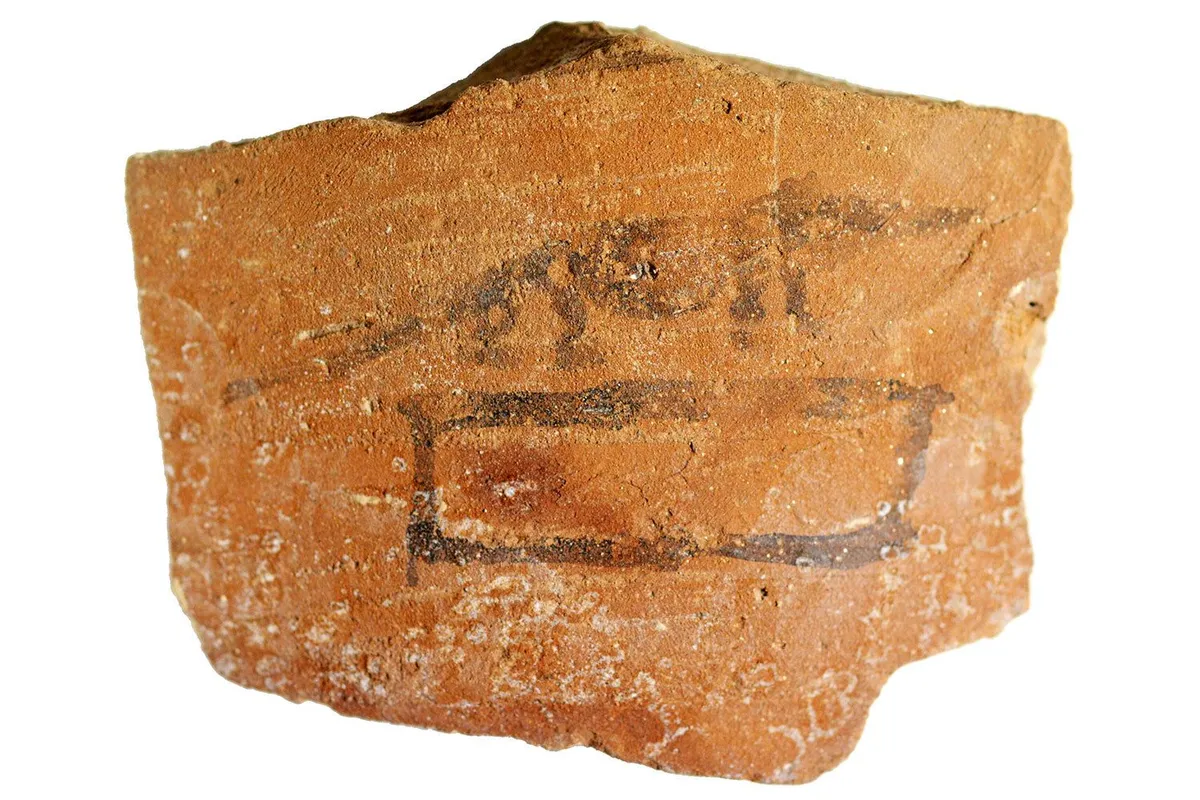
The Menga dolmen is a massive stone structure, built around 5,000 years ago. Today, it's a UNESCO World Heritage site. But here's the kicker: these two men weren't from the Stone Age. They were buried formally at the dolmen's entrance sometime between the 8th and 11th centuries AD — more than 4,000 years after it was built.
We're a new kind of news feed.
Regular news is designed to drain you. We're a non-profit built to restore you. Every story we publish is scored for impact, progress, and hope.
Start Your News DetoxTeams from the University of Huddersfield, the University of London, and Harvard University led the charge. They looked at the genetic makeup of these two men, who lived during what's called the Andalusian period in Spain.
Getting DNA from such old remains, especially from a warm place like Spain, is super tough. The DNA was badly damaged. But scientists used a clever trick called SNP enrichment to pull out useful genetic clues from one of the individuals.
A Genetic Journey
What they found was pretty wild. This man had European roots, sure. But his mitochondrial DNA — which comes from your mother — showed links to North Africa. His other DNA also pointed to North African and even Middle Eastern ancestry.
This isn't just a random fact. It paints a picture of how diverse and connected society was in Andalusia back then. In fact, he shared specific genetic markers with a group called the Mozabites, who live in Algeria today. It's like finding a distant cousin across the Mediterranean, centuries later.
The study also found other clues. People in Iberia often reused prehistoric monuments during the Middle Ages. The evidence suggests that when these two men were buried, the huge Menga dolmen might have been used as a special shrine or hermitage.
So, this isn't just a 5,000-year-old tomb. It was a place that people kept coming back to, generation after generation, seeing it as sacred for millennia. That's a serious legacy for a pile of rocks.