Four billion years ago, oxygen was a toxin. The early Earth's atmosphere held almost none of it—a million times less than today—and the few organisms that existed had evolved to thrive without it. Then, around 2.3 billion years ago, photosynthetic bacteria began pumping oxygen into the air. For most life on the planet, this was a catastrophe waiting to happen.
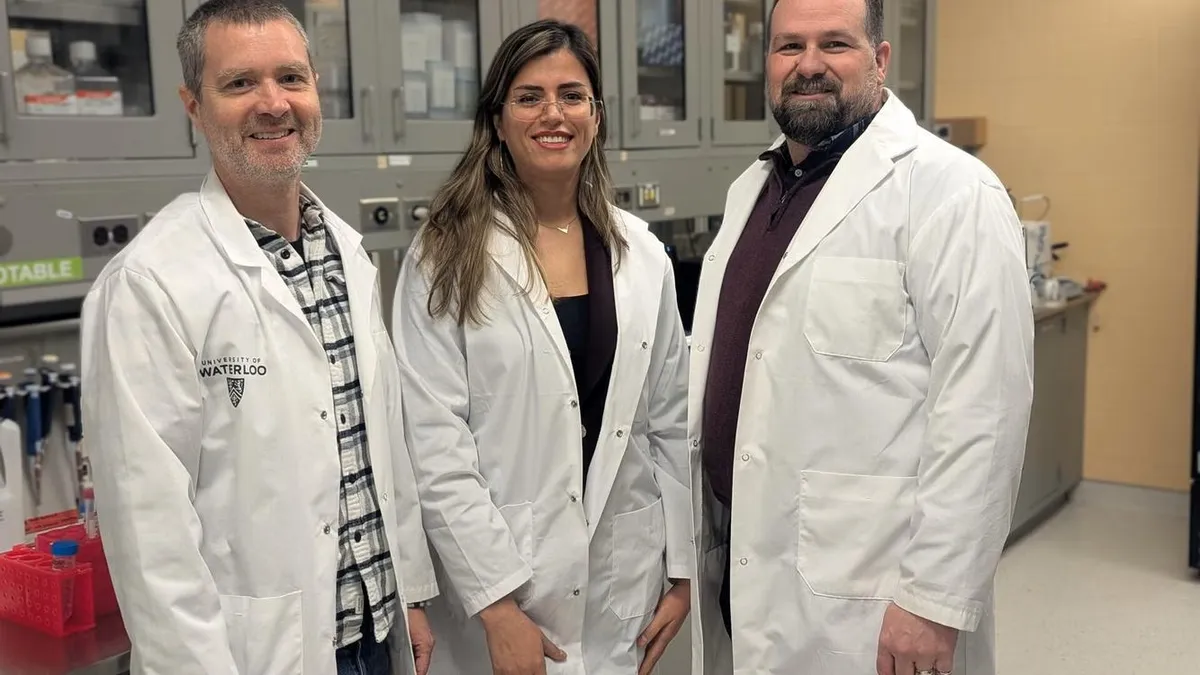
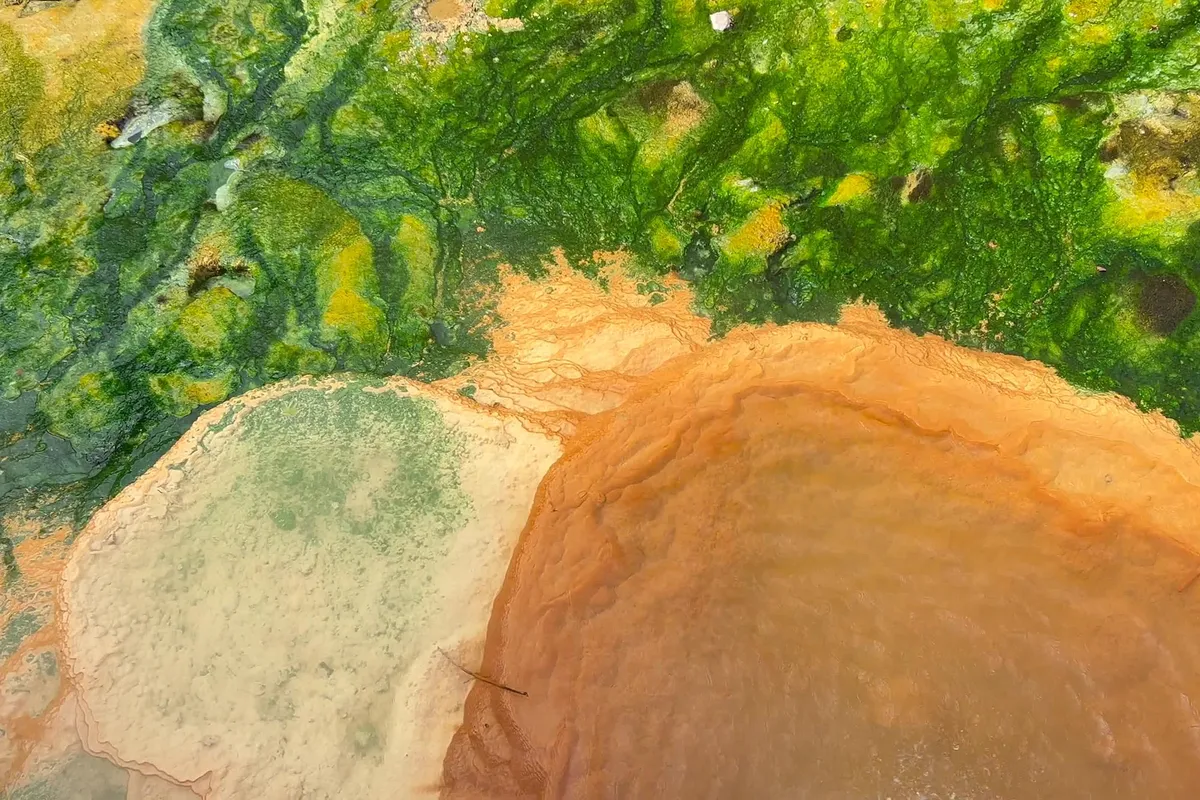
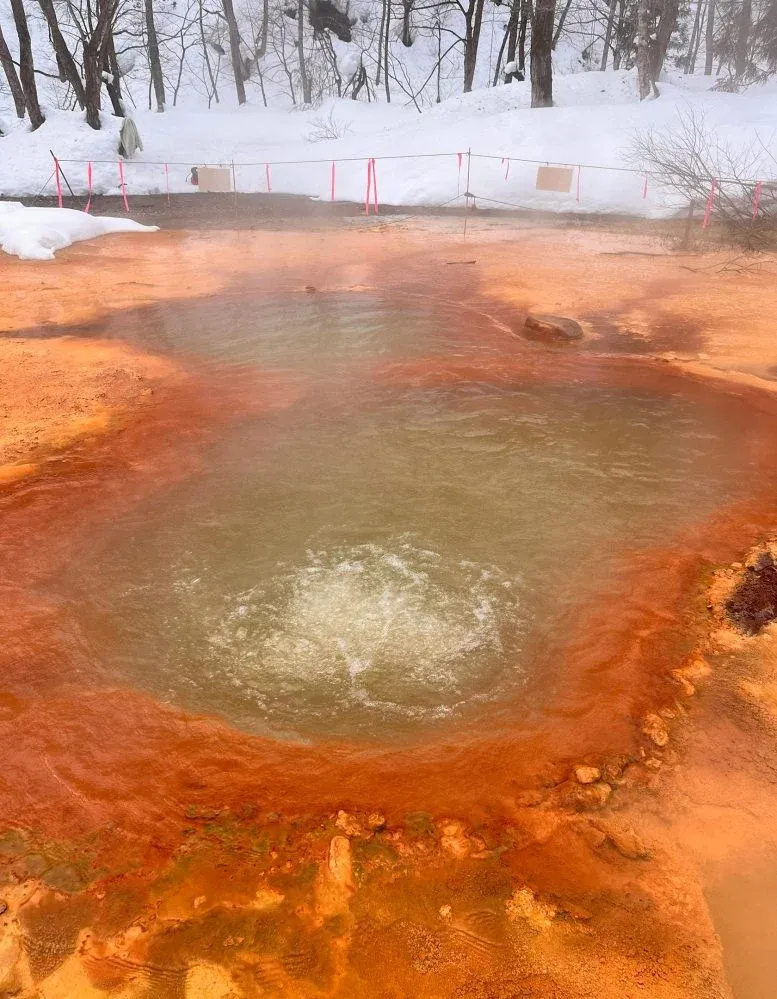
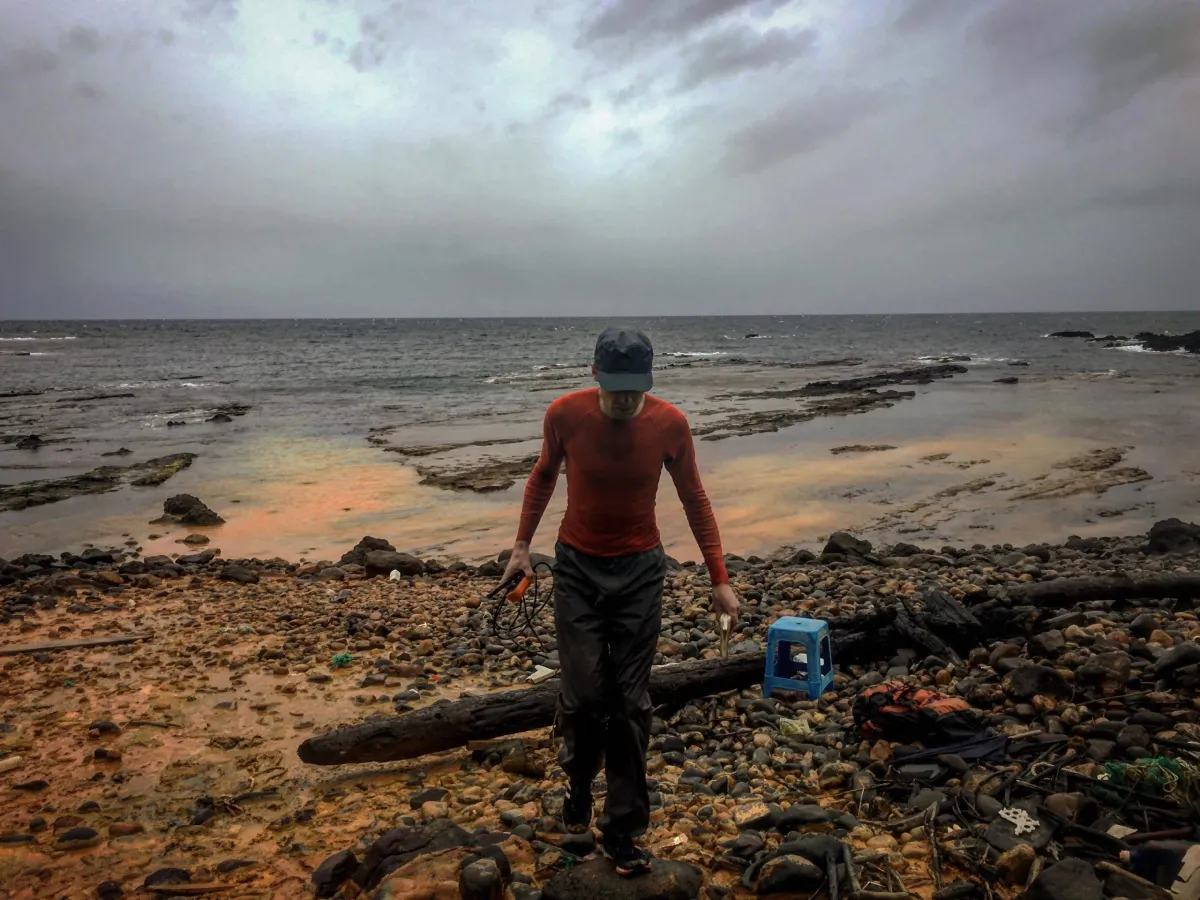
A team led by graduate student Fatima Li-Hau at the Earth-Life Science Institute in Tokyo found an answer to a question that's puzzled scientists for decades: how did early microbes survive this toxic shift. They didn't look to fossils or ancient rocks. They looked to five Japanese hot springs still flowing today, their waters rich in dissolved iron and carrying just enough oxygen to recreate conditions from Earth's most dramatic transition.
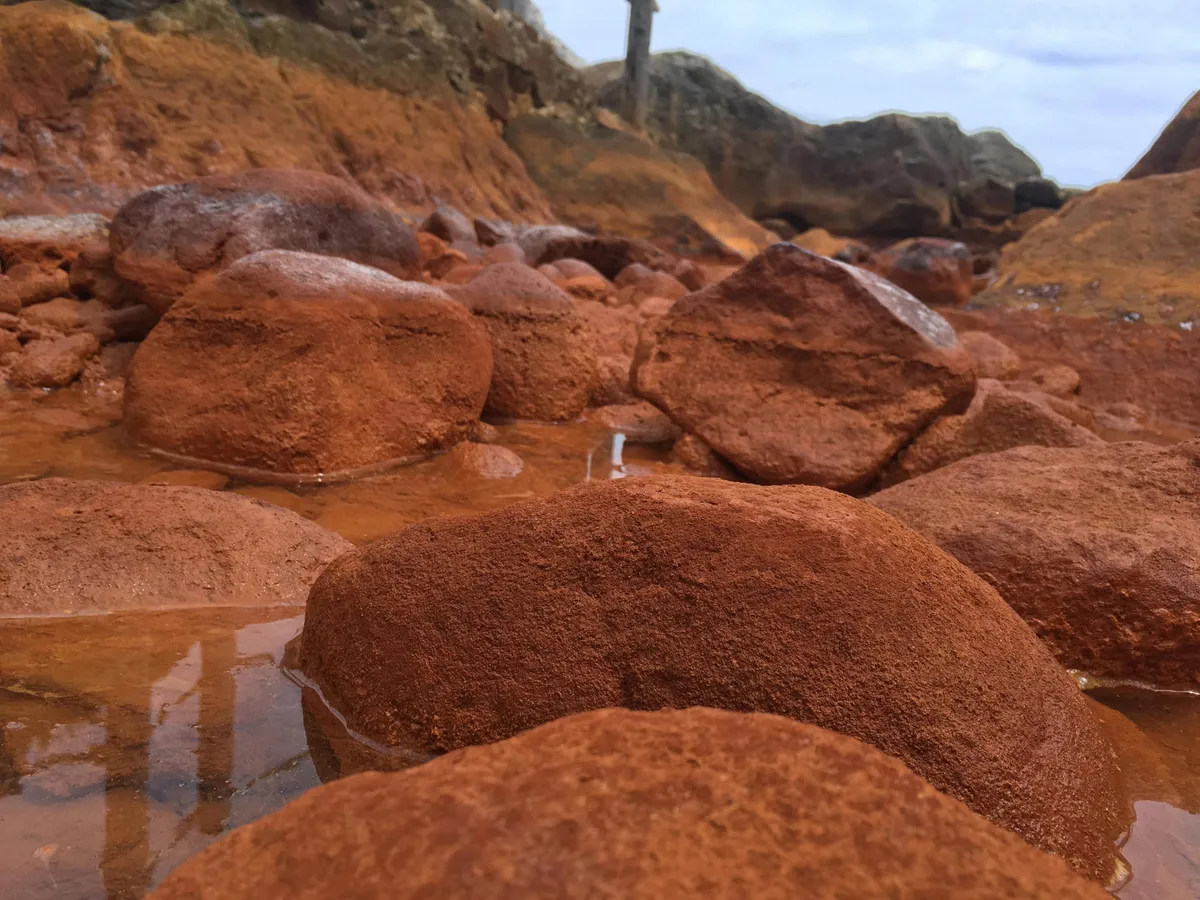
What they discovered suggests life didn't simply endure the rise of oxygen—it learned to weaponize it. Early microbial communities appear to have combined iron with the small amounts of oxygen produced by photosynthetic microbes, creating a new energy source from what had once been a poison. It's a reminder that survival often means adaptation, and adaptation sometimes means repurposing the very thing that threatens you.
We're a new kind of news feed.
Regular news is designed to drain you. We're a non-profit built to restore you. Every story we publish is scored for impact, progress, and hope.
Start Your News Detox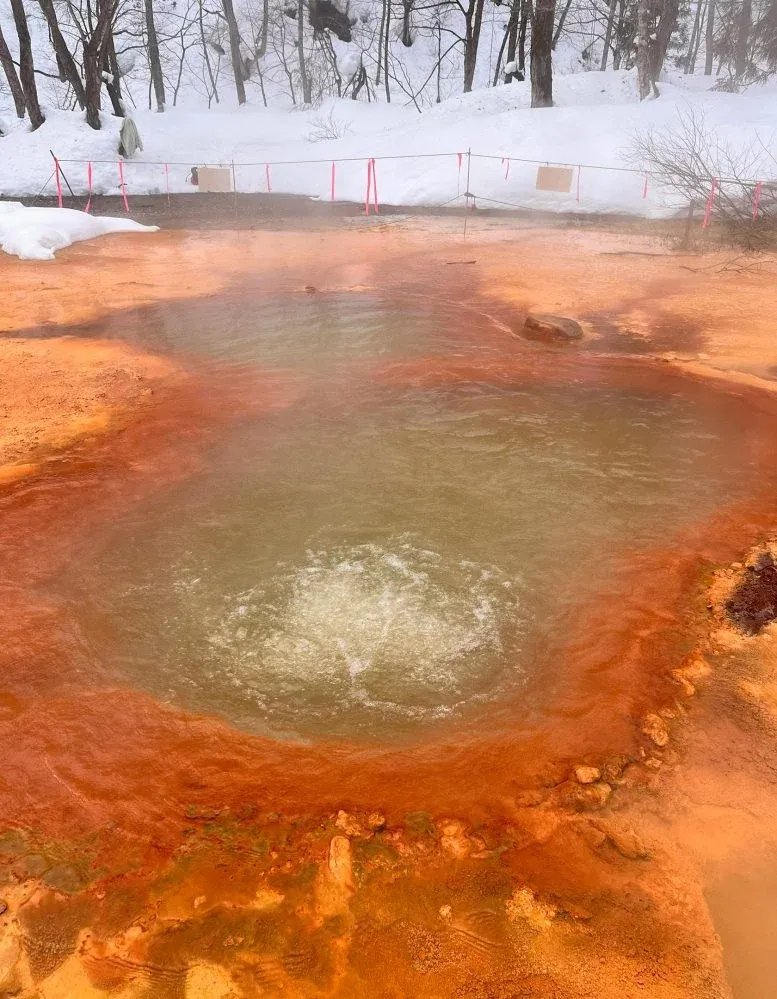
A Natural Laboratory for Ancient Earth
The five hot springs—scattered across Tokyo, Akita, and Aomori prefectures—are rare windows into what early oceans may have looked like. In today's oxygen-rich world, ferrous iron (the dissolved form) reacts instantly with oxygen and sinks out of solution. Yet these springs still hold abundant ferrous iron alongside limited oxygen and neutral pH levels, conditions that researchers believe mirror parts of the early ocean around the time of the Great Oxygenation Event, roughly 2.3 billion years ago.
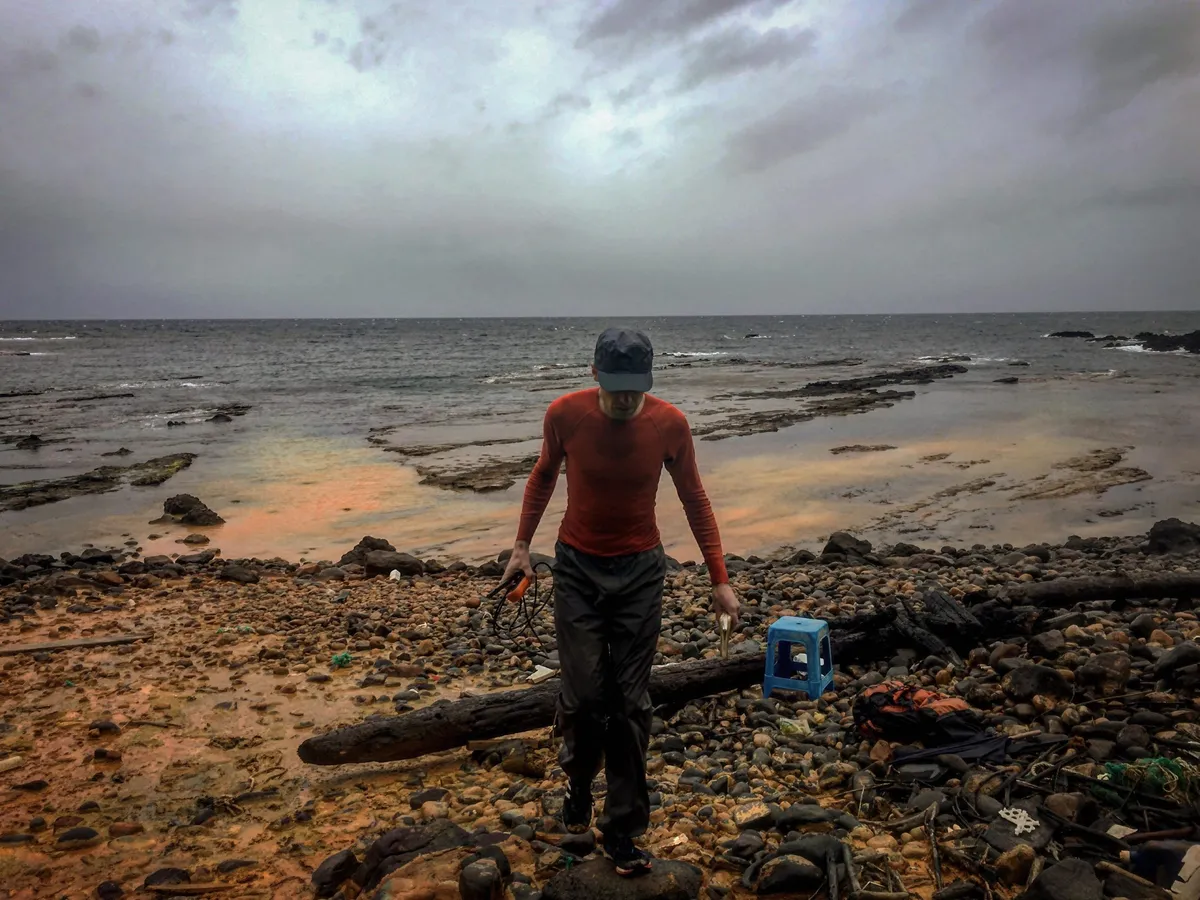
When the team sampled these springs, they found something striking: in four of the five, microaerophilic iron-oxidizing bacteria dominated. These microbes thrive in nearly oxygen-free conditions and gain energy by converting ferrous iron into ferric iron—essentially using a transformation that would normally destroy them as their primary fuel source. Cyanobacteria, which produce oxygen through photosynthesis, were present too, though in smaller numbers. One spring in Akita broke the pattern, hosting microbes with different metabolic strategies, suggesting that early Earth ecosystems were probably just as varied, with different microbial communities adapting to whatever chemistry their local environment offered.
The Hidden Architecture of Early Life
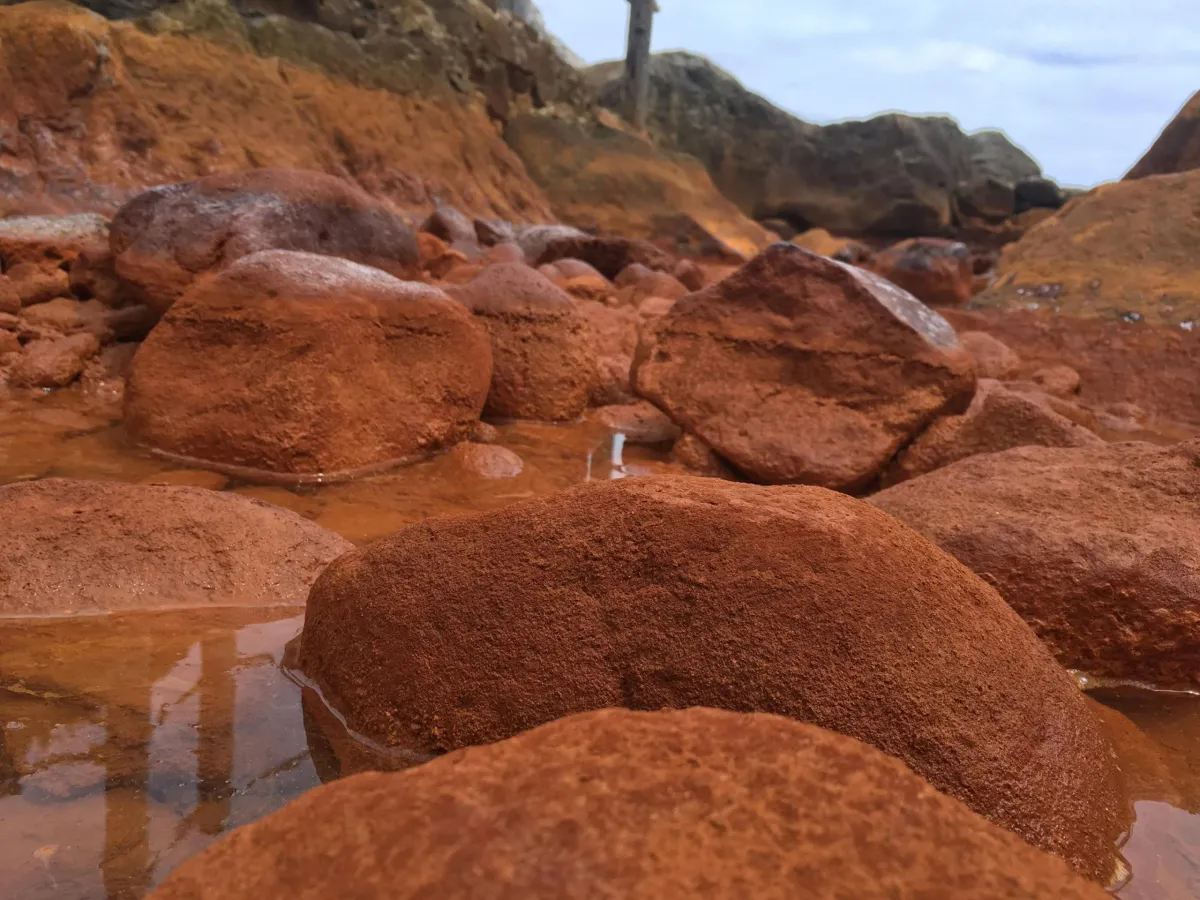
Using metagenomic analysis—essentially reading the genetic code of entire microbial communities—the researchers reconstructed more than 200 high-quality microbial genomes. What emerged was a picture of remarkable coordination. Iron-oxidizing bacteria appeared to create a buffer zone, converting toxic oxygen into a manageable form while simultaneously maintaining conditions that allowed oxygen-sensitive anaerobes to survive alongside them. These communities weren't just surviving; they were running complete biogeochemical cycles, recycling carbon and nitrogen in ways that sustained the whole ecosystem.
One unexpected finding: genetic evidence of a partial sulfur cycle, including genes for sulfide oxidation and sulfate processing, despite the springs containing very little sulfur. The researchers suggest this reflects a "cryptic" sulfur cycle—microbes recycling sulfur through pathways so complex they're not yet fully understood. It's a reminder that ecosystems contain far more hidden complexity than we can see.
Why This Matters Now
These findings reshape how we think about the transition from an oxygen-free to an oxygen-rich world. Rather than a clean break between two eras, early Earth probably hosted overlapping ecosystems where iron-oxidizing bacteria, anaerobes, and photosynthetic cyanobacteria lived together in intricate balance. They influenced each other's survival, shaped local oxygen levels, and created the conditions for more complex life to eventually emerge. It's a bridge between two worlds, built by microbes we'll never see but whose descendants shaped everything that came after.
The research also carries implications beyond Earth history. As scientists search for life on other planets—Mars, Europa, Enceladus—they're looking for chemical environments similar to early Earth. Understanding how microbes adapted to iron-rich, oxygen-poor conditions here gives us a template for where to look and what to expect elsewhere.