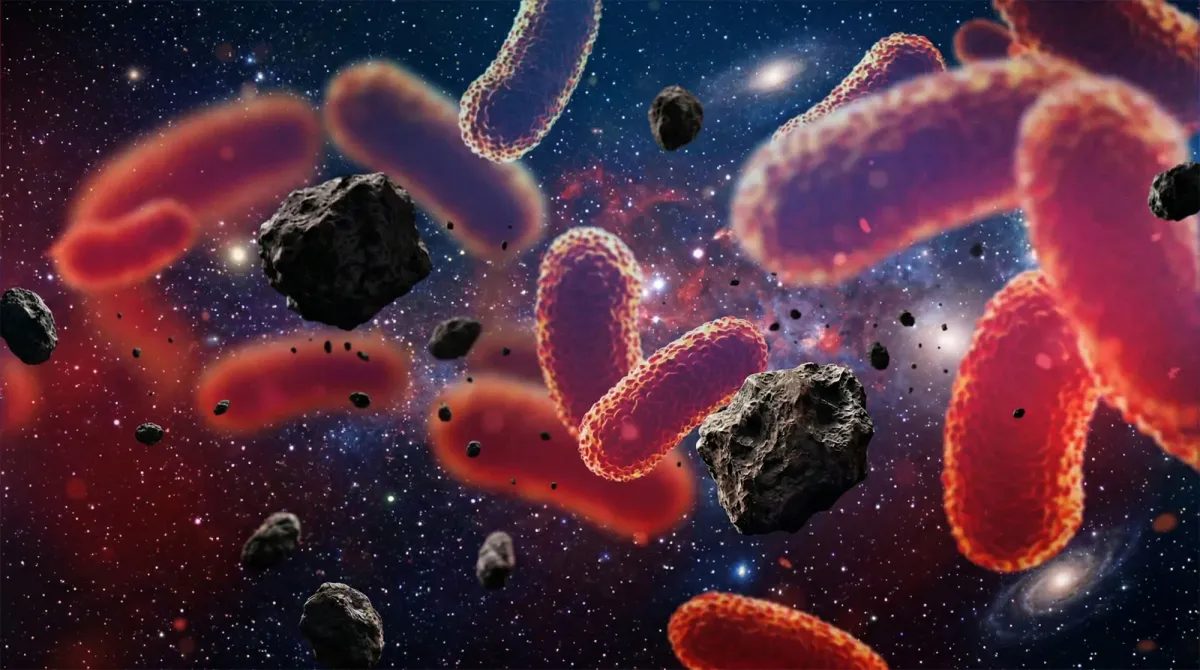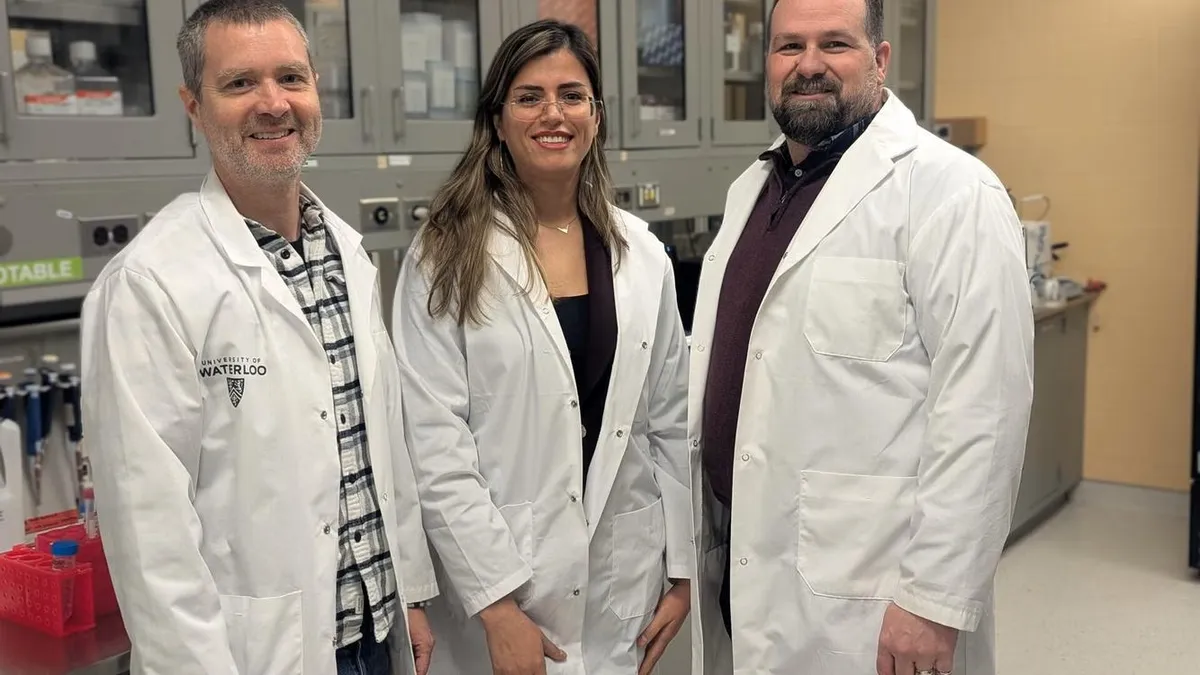
Scientists at the University of Waterloo have engineered bacteria that do something counterintuitive: they thrive inside tumors, consuming the dead tissue at a cancer's core where oxygen can't reach.
The bacteria in question, Clostridium sporogenes, naturally live in soil and prefer oxygen-free environments. A solid tumor's center—starved of oxygen and packed with dead cells—is essentially a buffet. Once introduced into a tumor, the bacteria multiply rapidly, feeding on the nutrient-rich dead tissue and gradually destroying the tumor from the inside.
"Bacteria spores enter the tumor, finding an environment where there are lots of nutrients and no oxygen, which this organism prefers, and so it starts eating those nutrients and growing in size," explains Dr. Marc Aucoin, a chemical engineering professor leading the research. "We are now colonizing that central space, and the bacterium is essentially ridding the body of the tumor."
We're a new kind of news feed.
Regular news is designed to drain you. We're a non-profit built to restore you. Every story we publish is scored for impact, progress, and hope.
Start Your News DetoxThe elegant part of this approach is that it exploits the tumor's own hostile conditions—the very oxygen deprivation that helps cancers survive becomes their vulnerability.
The Oxygen Edge
But there's a catch. When these bacteria reach the tumor's outer edges, where oxygen levels rise, they die. The research team solved this by grafting a gene from a related bacterium onto Clostridium sporogenes—one that gives it better tolerance for oxygen. The trick was ensuring this gene only activates when needed.
Enter quorum sensing, a bacterial communication system the team borrowed from nature itself. Bacteria release chemical signals to each other. The oxygen-resistant gene only switches on once enough bacteria have accumulated in the tumor—meaning the signal is strong enough. This timing mechanism prevents the engineered bacteria from accidentally thriving in oxygen-rich environments like the bloodstream, where they could cause harm.
In earlier studies, researchers proved Clostridium sporogenes could be modified to tolerate oxygen. In follow-up work, they tested their quorum sensing system by engineering bacteria to produce a glowing green protein, essentially watching the timing mechanism work in real time.
The research sits within a broader landscape of experimental cancer treatments gaining traction. Electrical ablation, novel chemotherapy combinations, CRISPR gene editing, and stem cell therapies are all under investigation. What's worth noting: this bacterial approach is fundamentally different from these other methods. It's not attacking the tumor directly with heat or chemicals—it's colonizing it, using the cancer's own environment against it.
The team now plans to combine both modifications—the oxygen-resistant gene and the quorum sensing timing system—into a single bacterium and test it in pre-clinical trials on actual tumors. Substantial work remains before this reaches patients, but the approach represents a shift in how researchers think about cancer: not just as something to destroy, but as an environment to exploit.
Meanwhile, cancer survival rates continue improving. Seven out of 10 Americans now live five years or longer after diagnosis, up from decades past. That baseline improvement matters as researchers test new tools like these.