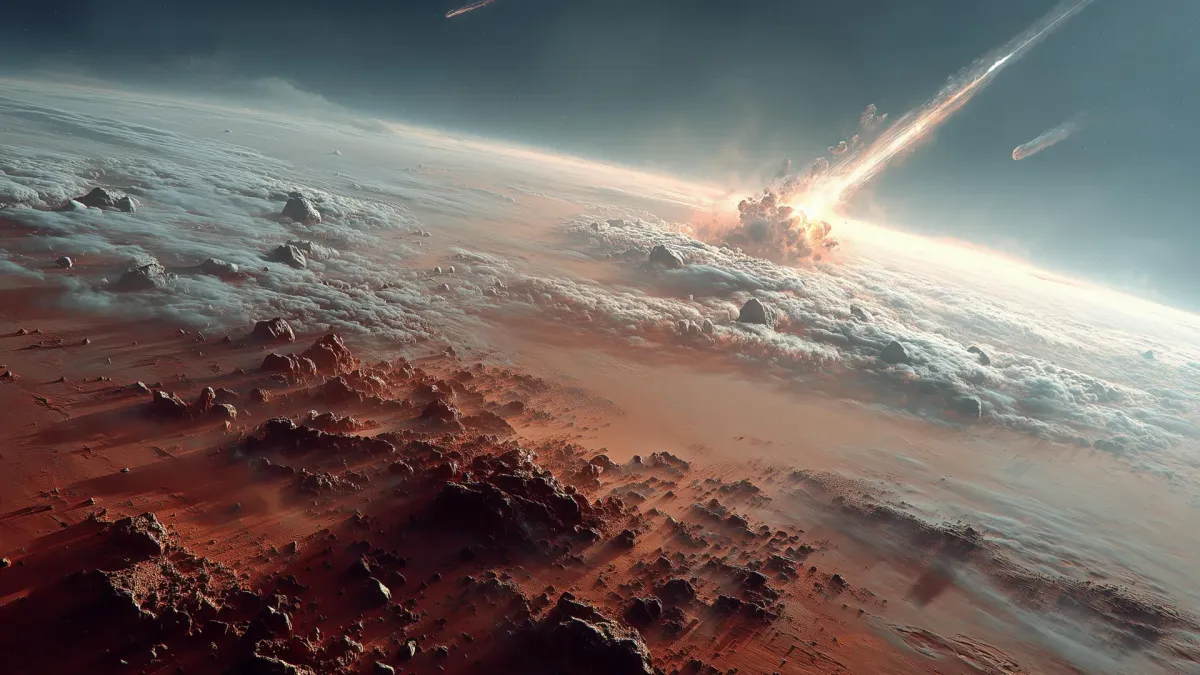
Sixty-six million years ago, an asteroid the size of a city hit Earth and killed the dinosaurs. What happened next might surprise you: life didn't just survive the catastrophe, it started creating entirely new species in what amounts to a geological blink.
A study published in Geology by researchers at the University of Texas at Austin reveals that new plankton species emerged less than 2,000 years after the Chicxulub impact. For context, that's the difference between now and the Bronze Age. In geological terms—where species typically take millions of years to evolve—this is shockingly fast.
"It's ridiculously fast," said Chris Lowery, the study's lead author. "This research helps us understand just how quickly new species can evolve after extreme events."
We're a new kind of news feed.
Regular news is designed to drain you. We're a non-profit built to restore you. Every story we publish is scored for impact, progress, and hope.
Start Your News Detox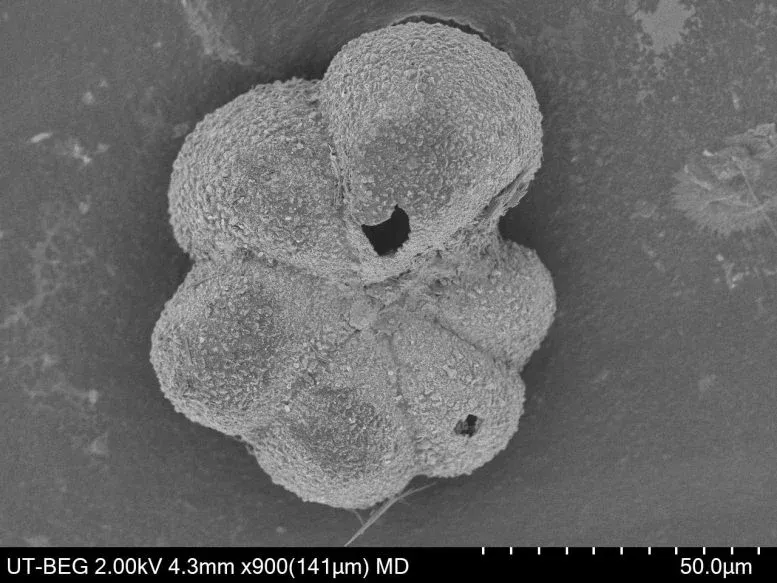
The finding challenges what scientists thought they knew about post-extinction recovery. Earlier research suggested it took tens of thousands of years before entirely new species appeared. The problem was methodological: previous work relied on measuring sediment thickness to estimate how much time had passed, but the asteroid impact scrambled that calculation.
When the impact wiped out most of the ocean's calcareous plankton—creatures that normally sink to the seafloor and help build sediment layers—the entire system of sediment accumulation changed. Massive erosion on land, triggered by the loss of vegetation, further disrupted normal patterns. Using thickness alone to date fossils was like trying to tell time with a broken clock.
Lowery's team took a different approach. They measured helium-3, an isotope that falls onto the ocean floor at a steady, predictable rate. By analyzing helium-3 concentrations in sediment samples from six locations across Europe, North Africa, and the Gulf of Mexico, they could calculate exactly how much time elapsed between the impact and the appearance of new species. The math was much more precise.
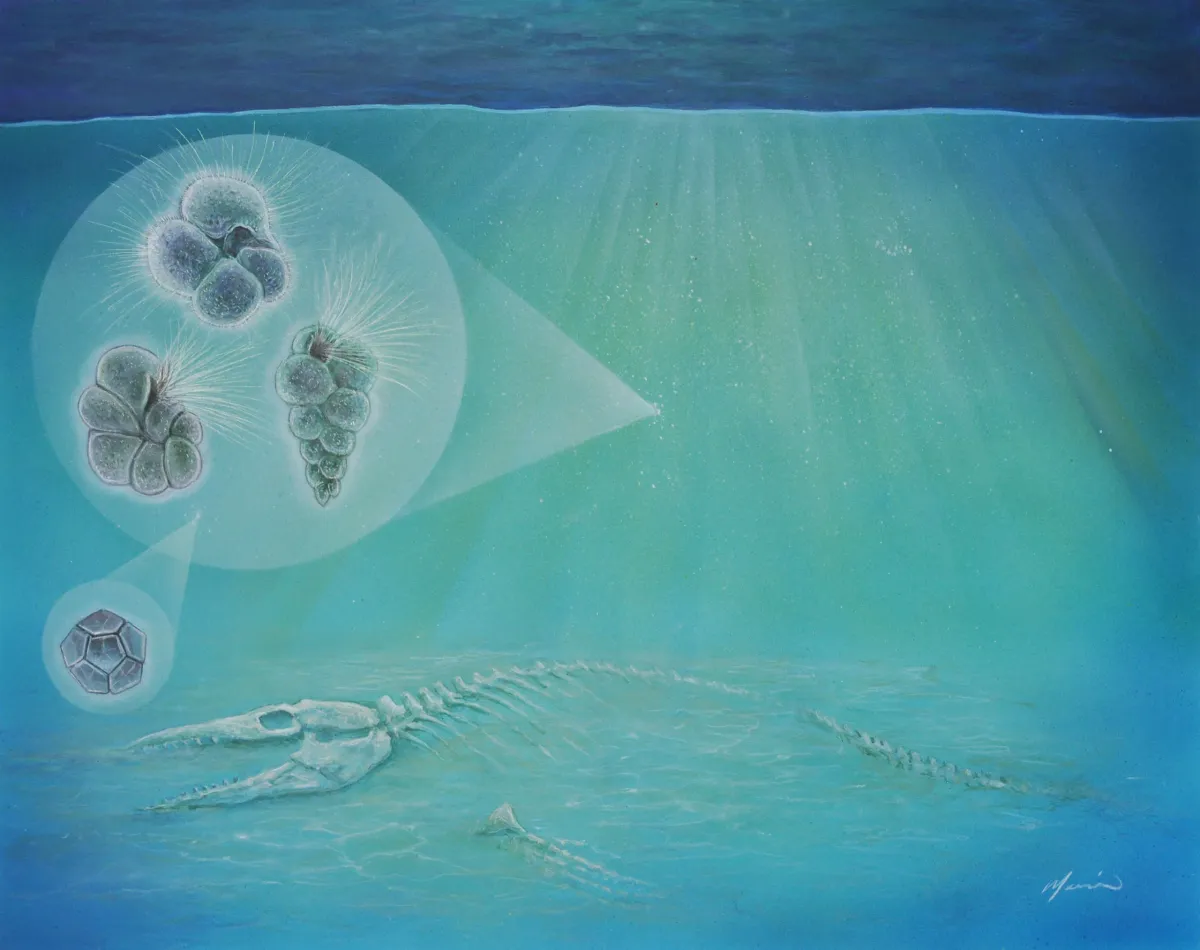
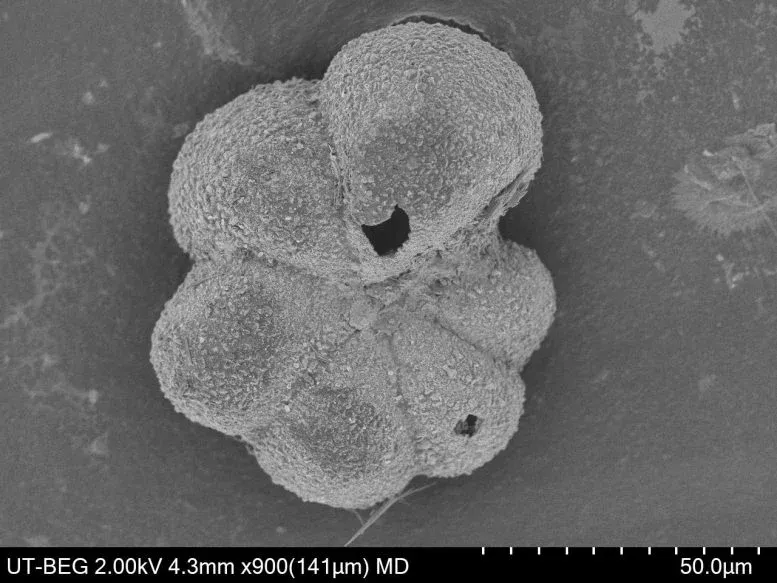
The results were striking. A tiny foraminifera species called Parvularugoglobigerina eugubina—used as a marker of ecological recovery—evolved between 3,500 and 11,000 years after impact, depending on location. Some other plankton species appeared even faster, in fewer than 2,000 years. Within about 6,000 years, between 10 and 20 new foraminifera species had evolved.
What makes this significant isn't just the speed—it's what it reveals about how evolution works under pressure. When environmental conditions shift radically and suddenly, organisms don't wait around. They adapt, diversify, and fill ecological niches with remarkable urgency. Life, it turns out, is far more resilient and responsive than we've given it credit for.
Timothy Bralower, a coauthor at Penn State University, noted the broader implication: "The speed of the recovery demonstrates just how resilient life is. To have complex life reestablished within a geologic heartbeat is truly astounding." He also offered a cautious note of reassurance about modern threats—suggesting that while the resilience of life is real, the speed of human-caused habitat destruction is something entirely different. Nature can bounce back from asteroid impacts. Whether it can keep pace with the rate at which we're reshaping the planet remains an open question.
This revised timeline will likely reshape how scientists think about extinction and recovery across Earth's history. It's a reminder that catastrophe, while devastating, isn't necessarily permanent—and that the capacity for life to reinvent itself operates on timescales far shorter than we once believed.