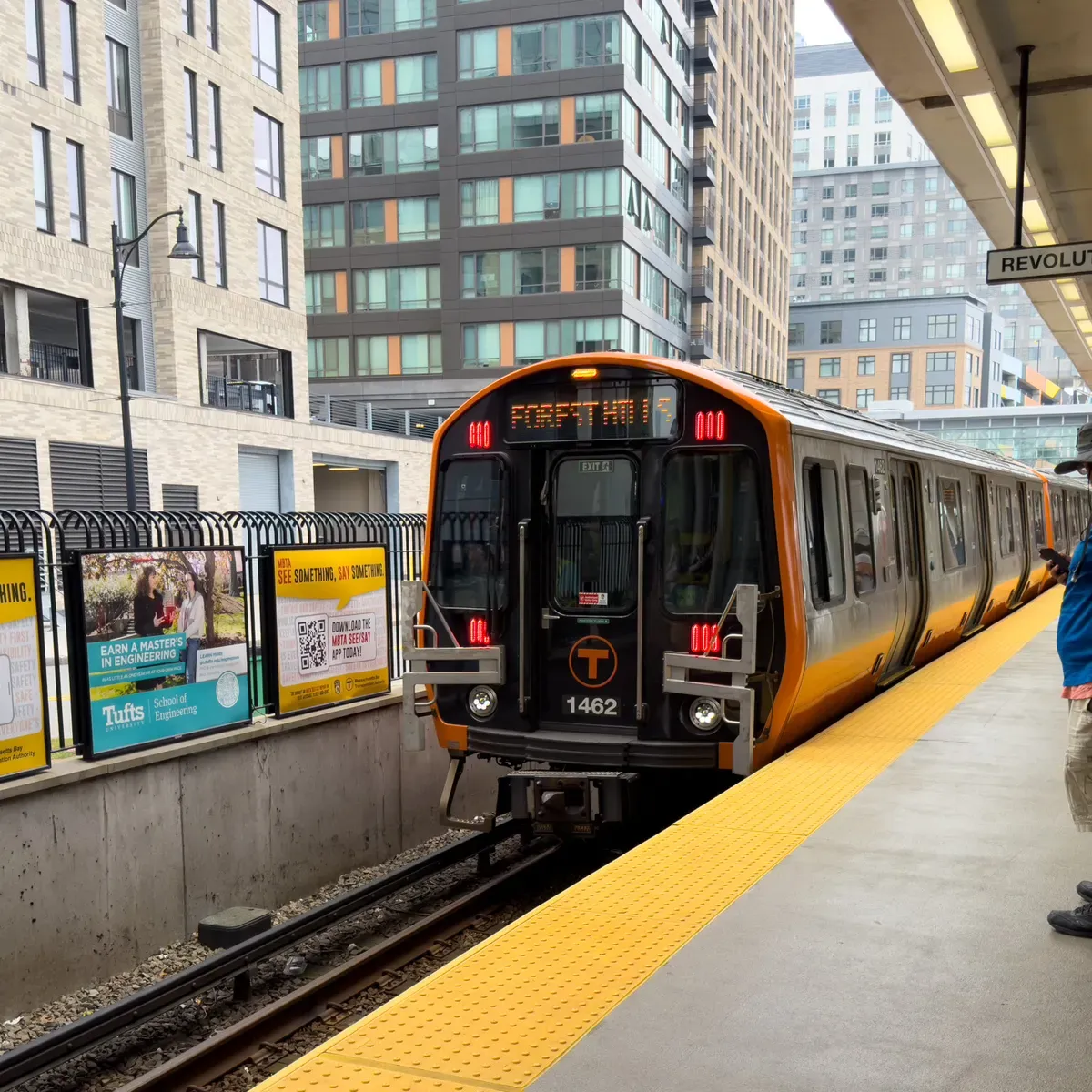
The American Public Transportation Association just made its case to Congress: invest $268 billion in buses, trains, and rail over the next five years, or watch the country's competitive edge slip. Half of that — $138 billion — would go to local transit systems. The other $130 billion targets passenger rail networks that currently limp along compared to competitors in Europe and Asia.
The timing matters. The current federal transportation funding cycle, anchored by the 2021 Infrastructure Investment and Jobs Act, expires September 30. That gives Congress a narrow window to decide whether transit gets real money or just another year of patching potholes.
Why This Moves the Needle
Here's the economic argument APTA is making, and it's worth sitting with: every $1 billion spent on transit generates $5 billion in economic activity. That's not hypothetical. That's the return on investment the organization is citing to lawmakers. For every dollar in federal tax revenue spent, you get $251 million back in state and local tax revenue. Those aren't flashy numbers, but they're the kind that move budget committees.
We're a new kind of news feed.
Regular news is designed to drain you. We're a non-profit built to restore you. Every story we publish is scored for impact, progress, and hope.
Start Your News DetoxWhat makes this proposal different from the usual infrastructure wish list is the operational stuff buried in the details. APTA isn't just asking for money — it's asking Congress to get out of the way. The organization wants faster project approvals, streamlined environmental reviews, and clearer rules for what counts as "American-made" transit equipment. Right now, those processes can add years to a single project.
There's a practical angle here too. According to APTA, 3,000 suppliers across 49 states manufacture bus and rail components. That's not concentrated in a handful of coastal cities — it's spread across the country. A rural Ohio manufacturing plant that makes brake systems for commuter trains, a metal fabrication shop in rural Kansas, a wiring harness supplier in Tennessee. These aren't glamorous industries, but they're real jobs in real communities that don't always show up in national economic stories.
The organization also wants Congress to raise the cap on private activity bonds from $30 billion to $45 billion, which would let state transportation departments partner more easily with private investors. It's a technical fix, but it opens doors for projects that might otherwise stall.
The broader context: American cities have been underinvesting in transit for decades. Meanwhile, cities in Asia, Europe, and the Middle East have built modern rail systems that move millions of people daily. The U.S. has the infrastructure knowledge and manufacturing capacity to compete, but only if the funding and regulatory framework actually enable it.
Congress begins hearings on the next transportation bill this fall. Whether $268 billion sounds ambitious or inadequate probably depends on what you think a competitive economy needs.