Sandy Springs, Georgia, sits in an odd position. The 100,000-person suburb is ringed by parks and natural areas, but two major highways slice through it, and another 100,000 people drive in daily to work at corporate headquarters like UPS and Mercedes-Benz. The result: green space exists, but it's fragmented. Getting from one pocket of nature to the next—or to a train station—means crossing traffic.
The city is now spending $60 million to fix that problem. The centerpiece is Path 400, a 1.8-mile extension of an existing walking and biking trail that runs alongside Georgia State Route 400. Construction starts this summer and should finish in about three years.
"It's all about connectivity," said Dan Coffer, assistant director of communications for Sandy Springs. "We really have to get creative, because most of this land is built out."
We're a new kind of news feed.
Regular news is designed to drain you. We're a non-profit built to restore you. Every story we publish is scored for impact, progress, and hope.
Start Your News DetoxThat constraint is actually what makes the project interesting. Rather than demolish homes or businesses to create space, the city spent about a decade quietly purchasing properties along Hammond Drive, an east-west road that cuts through neighborhoods. The strategy meant no one lost their home to the project. This year, construction begins on a multi-use path on both sides of Hammond Drive, complete with four pedestrian crossings and green space buffers.
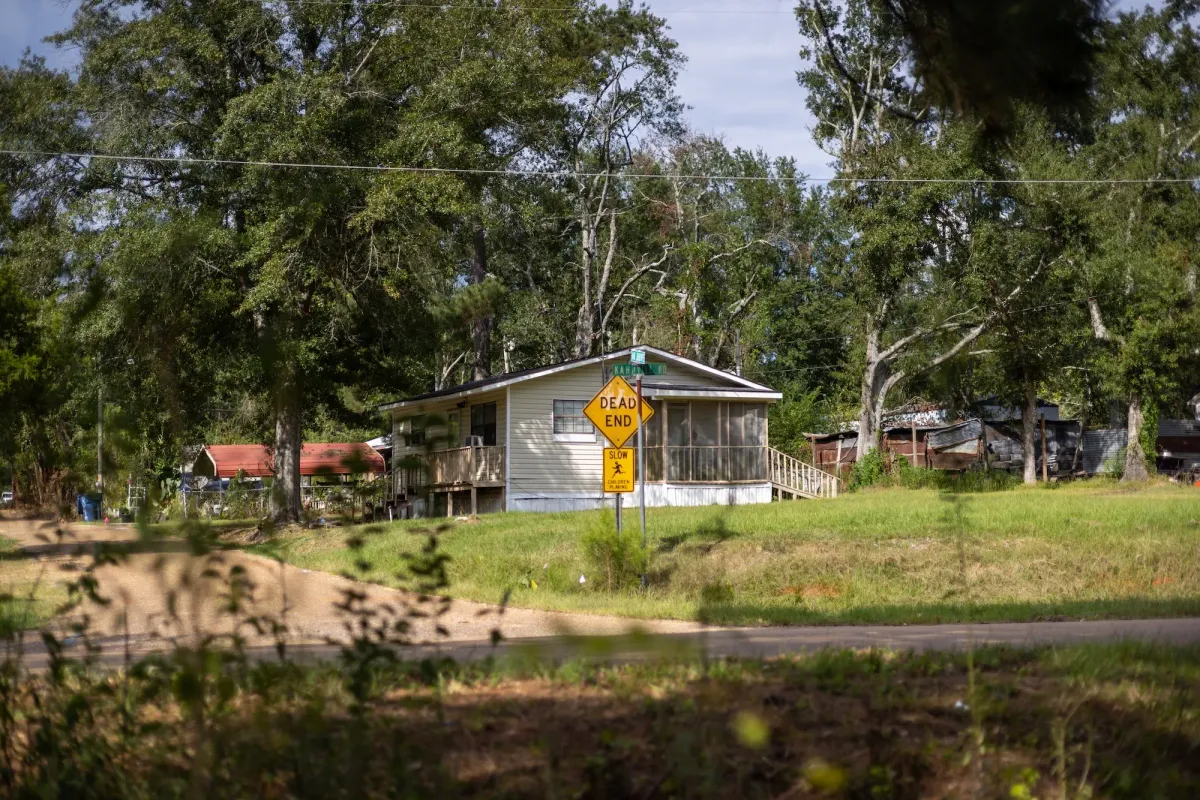
Hammond Drive is a telling case study in suburban traffic problems. It's congested enough that drivers regularly cut through residential streets to avoid it, and pedestrians face a gauntlet of speeding cars because the road lacks sidewalks or safe crossing points. The new path changes that equation.
Both projects—Path 400 and the Hammond Drive improvements—connect to Sandy Springs' four MARTA rail stations, the regional transit network. The city is also building out City Springs, a walkable downtown district with retail, restaurants, housing, and green space nearby. The three initiatives aren't accidental—they're meant to work together.
Funding comes from TSPLOST, a voter-approved 1% sales tax dedicated to transportation. The city's master transportation plan, being updated and expected to adopt this summer, explicitly tries to integrate transportation and land-use decisions while treating all modes—driving, biking, walking, transit—as interconnected rather than competing.
For a 20-year-old suburb built in the car-first era, that's a quiet shift. The question now is whether connectivity actually changes behavior—whether people walk or bike when there's a safe path to walk or bike on, and whether that eases pressure on the highways that still crisscross the city.