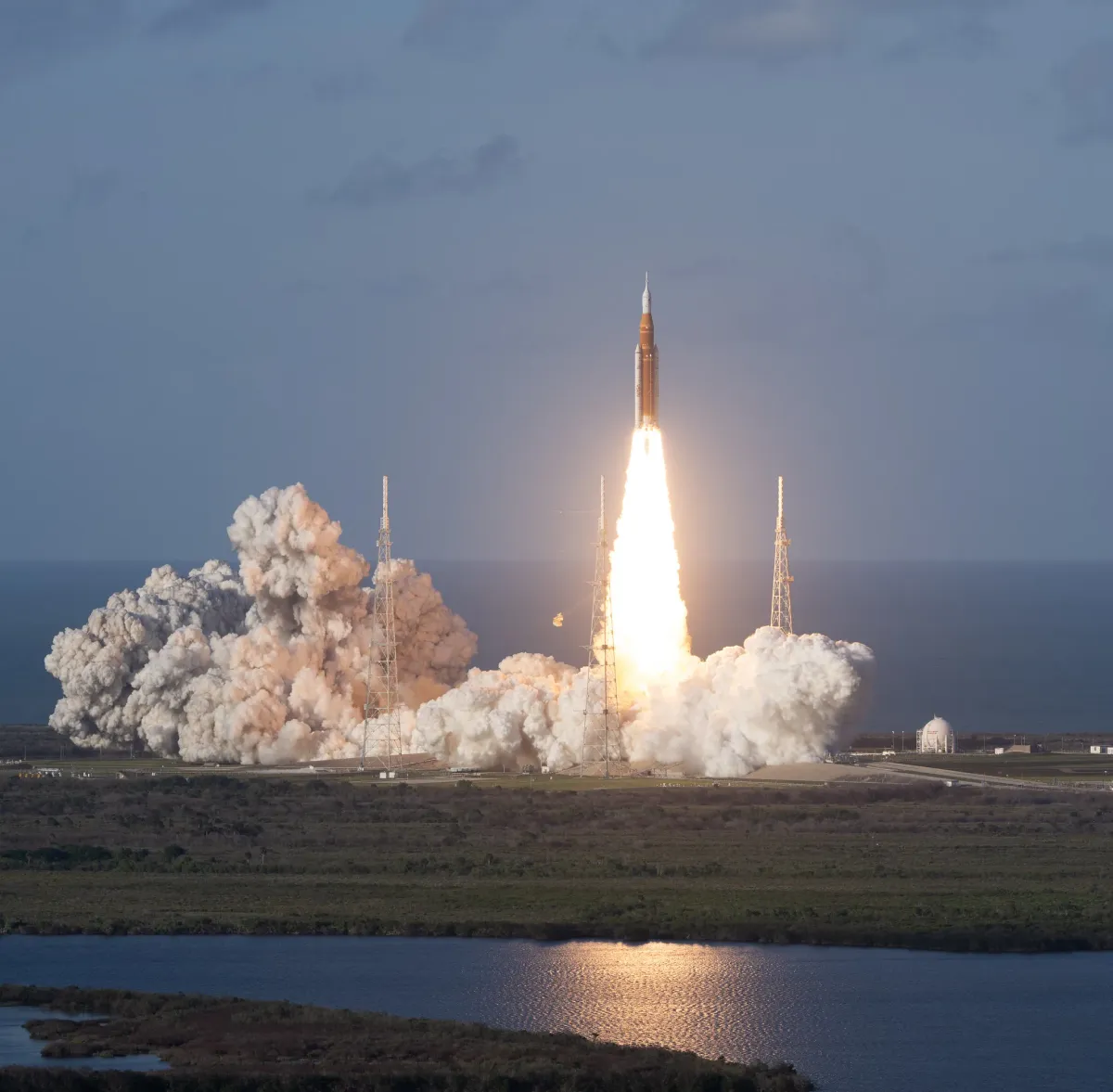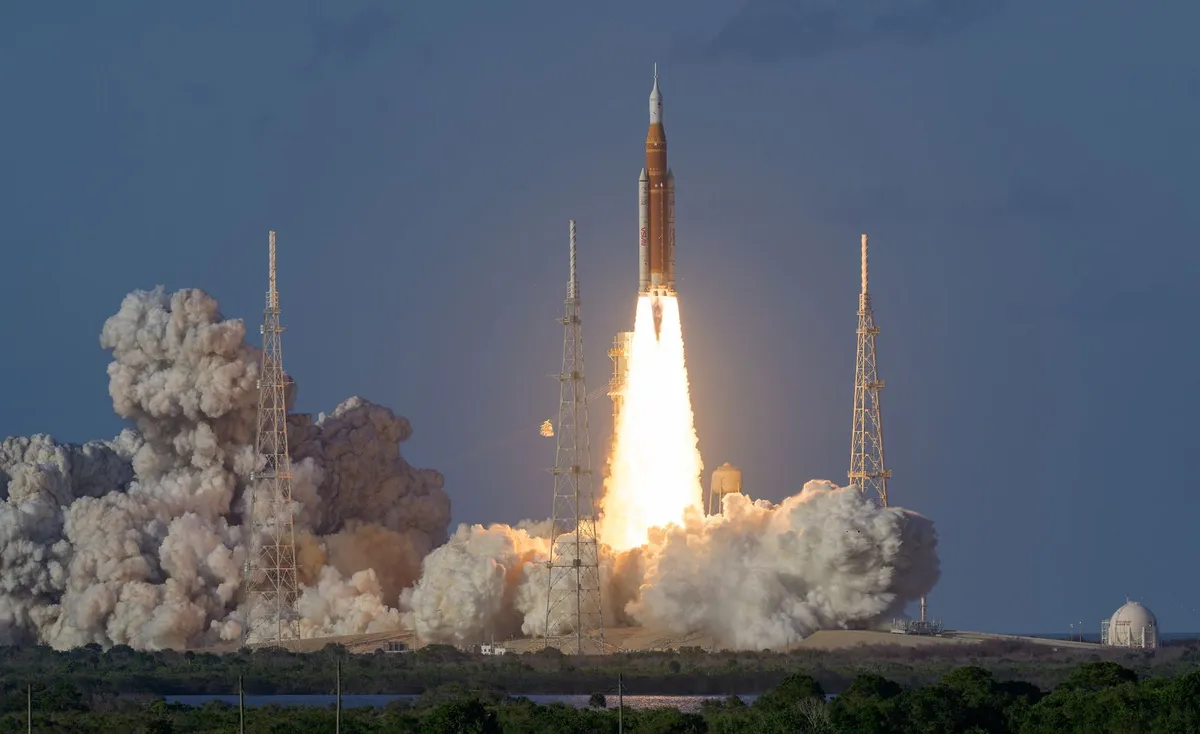
On April 1, NASA's Space Launch System (SLS) rocket launched four astronauts toward the moon. This Artemis program mission is the first time humans have been near the moon in over 50 years. Shortly after takeoff, the crew faced an unexpected problem: their spacecraft's toilet malfunctioned.
Solving the Potty Problem
While a broken toilet might seem minor compared to the dangers of space, the crew was relieved when they got it working again. The Orion spacecraft's toilet, called the Universal Waste Management System, showed a blinking fault light. Astronauts worked with the ground team to fix it.
The issue was that the toilet wasn't wet enough. Artemis flight director Judd Frieling explained that not enough water had been added from the potable water dispenser to keep the pump wet. The pump's automatic fault detection then shut it down.
We're a new kind of news feed.
Regular news is designed to drain you. We're a non-profit built to restore you. Every story we publish is scored for impact, progress, and hope.
Start Your News DetoxFrieling noted that once they added more water and primed the pump, the toilet started working again. Mission specialist Christina Koch performed the fix in space. Before the toilet was repaired, at least one crew member had to use a backup method: a bag.
\
Having a toilet at all is an improvement from the Apollo missions. Apollo astronauts relied on bags for urine and solid waste. Urine was vented into space, and solid waste was stored in bags and brought back to Earth.
The main challenge in microgravity is that everything floats. A famous conversation from Apollo 10 in 1969 highlights this, with commander Thomas Stafford saying, "Give me a napkin quick, there’s a turd floating through the air."
Evolution of Space Toilets
Engineers carefully designed Orion's toilet based on past experiences. Melissa McKinley, a project manager at the NASA Johnson Space Center, explained that waste management design has evolved from Apollo, the space shuttle, and the International Space Station.
On the International Space Station, wastewater and urine are recycled. The processed liquids are even cleaner than drinking water on Earth.
\
After the toilet was fixed, the Artemis II crew took a four-hour nap. Then, they successfully completed the translunar injection burn. This maneuver pushed them out of Earth's orbit and set them on course for the moon.
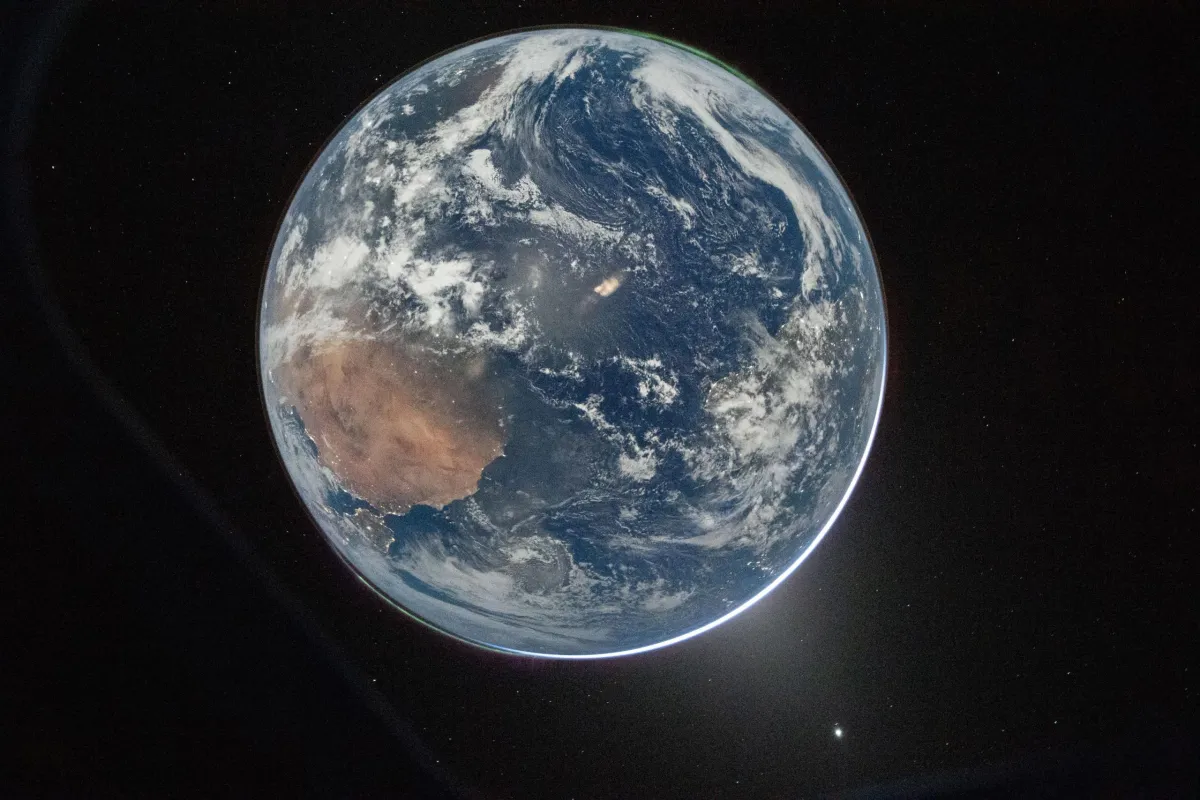
Mission commander Reid Wiseman captured a stunning photo of Earth after the burn.
In the coming days, Orion will orbit the moon. The astronauts will temporarily lose contact with Earth as they pass behind the moon. They will observe meteoroid strikes and study the sun's outer atmosphere during a solar eclipse caused by the moon.