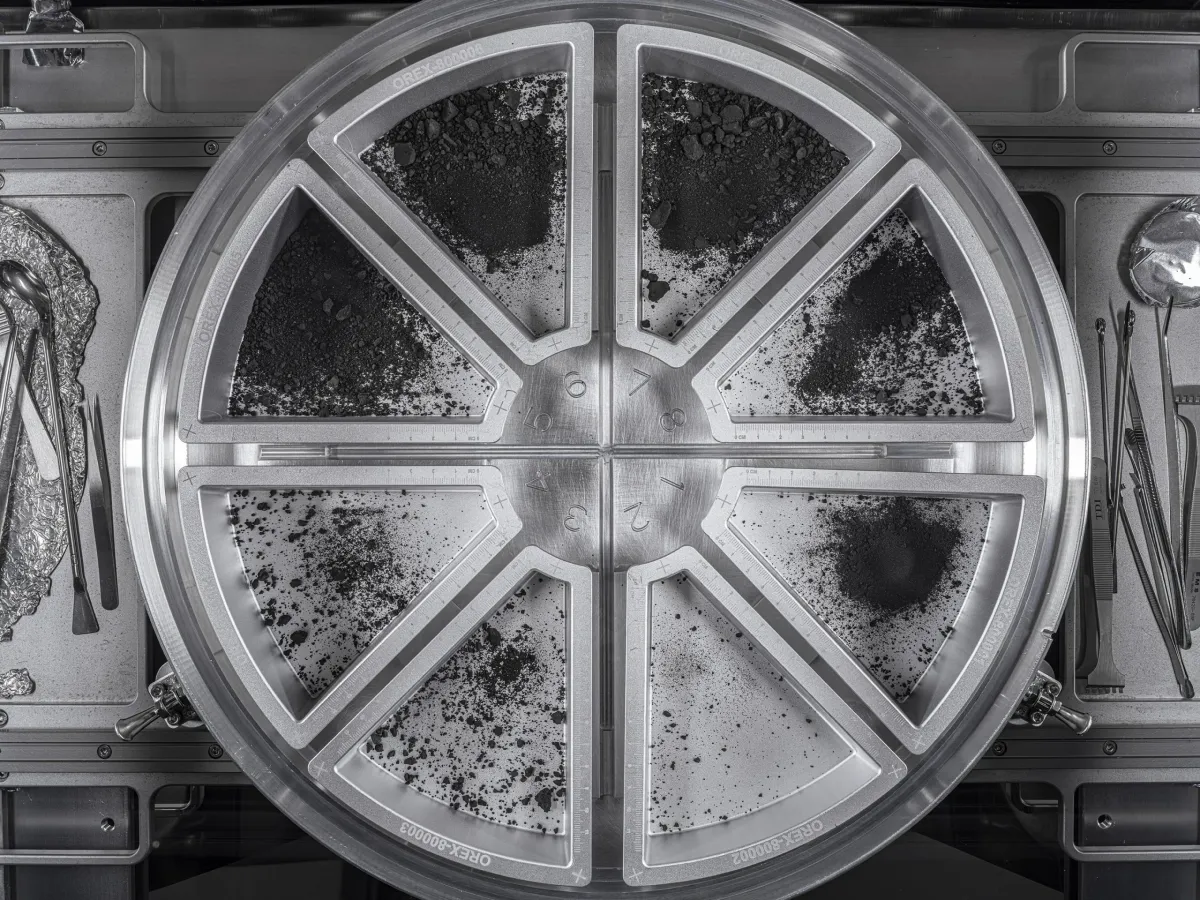
In 2023, NASA's OSIRIS-REx spacecraft returned a handful of asteroid dust to Earth—about a teaspoon's worth from Bennu, a space rock 4.6 billion years old. Inside those grains, scientists found amino acids, the molecular building blocks of life. But the real surprise wasn't that they were there. It was how they got there.
For decades, researchers assumed amino acids formed the same way everywhere in space: through a chemical process called Strecker synthesis, which requires liquid water, hydrogen cyanide, and ammonia mixing together in relatively mild conditions. The Murchison meteorite, which fell in Australia in 1969 and has been studied ever since, fit this pattern perfectly. Its amino acids bore the isotopic fingerprints of that watery origin story.
Bennu's amino acids tell a completely different tale.
A Harsher Path to Life's Basics
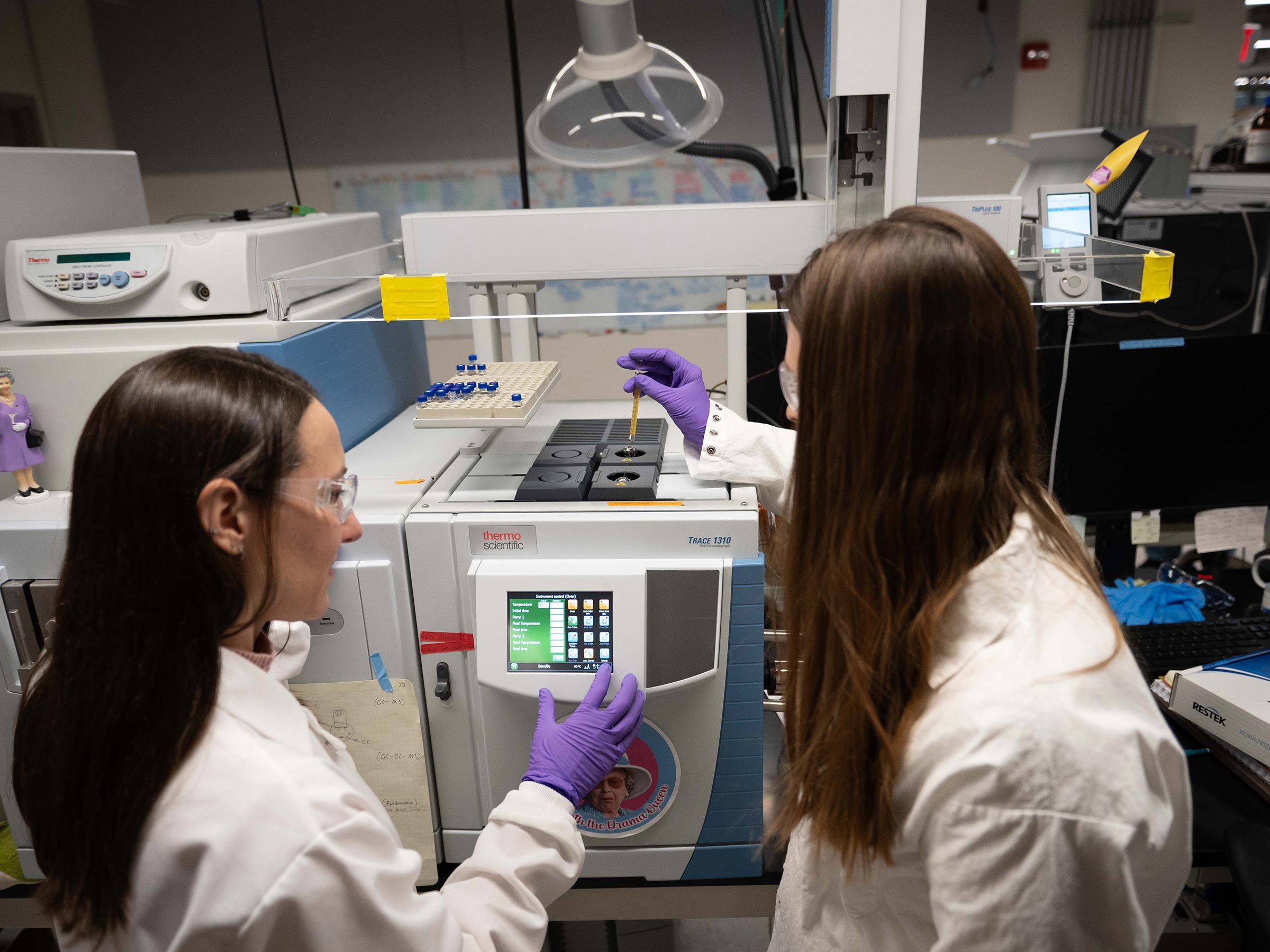
Using specialized instruments that can detect subtle differences in atomic mass, a team at Penn State examined Bennu's dust with extraordinary precision. They focused on glycine, the simplest amino acid and one of the most fundamental molecules for life. What they found was striking: the isotopic signatures suggested these molecules formed not in warm water, but in frozen ice exposed to intense radiation in the outer regions of the early solar system. No liquid water required. No mild conditions. Just cold, harsh radiation doing the chemistry.
We're a new kind of news feed.
Regular news is designed to drain you. We're a non-profit built to restore you. Every story we publish is scored for impact, progress, and hope.
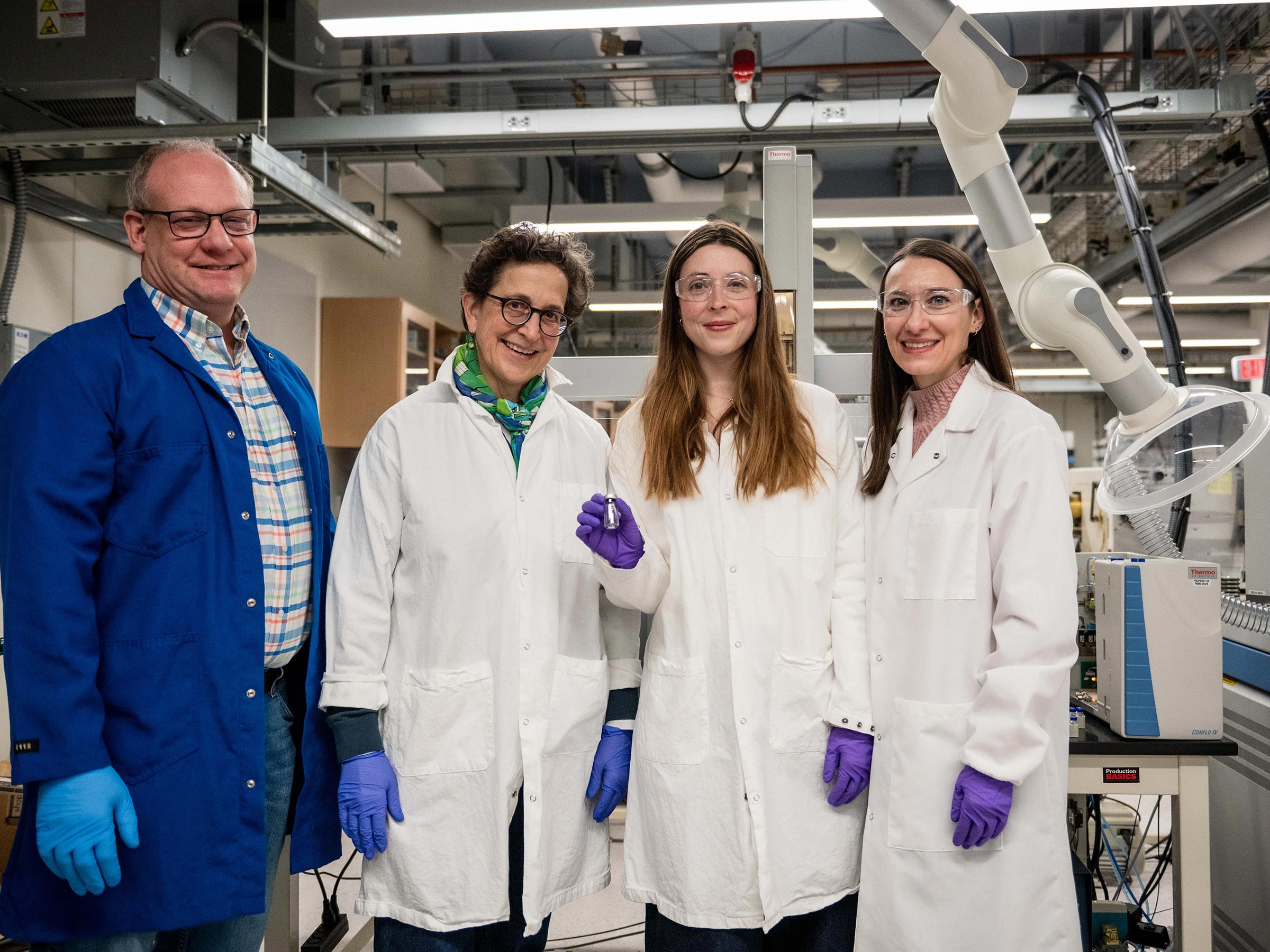
Start Your News Detox"Without advances in technology and investment in specialized instrumentation, we would have never made this discovery," said Allison Baczynski, an assistant research professor at Penn State and co-lead author of the study, published in the Proceedings of the National Academy of Sciences.
When the researchers compared Bennu's amino acids directly to those from Murchison, the contrast was unmistakable. The two meteorites didn't just have different chemical origins—they seemed to have formed in entirely different neighborhoods of the early solar system. "What's a real surprise is that the amino acids in Bennu show a much different isotopic pattern than those in Murchison," Baczynski explained. "These results suggest that Bennu and Murchison's parent bodies likely originated in chemically distinct regions of the solar system."
This matters because it rewrites how we think about life's origins. If amino acids can form through multiple pathways—in warm water and in frozen radiation zones—then the universe had far more ways to cook up life's ingredients than we realized. The building blocks of life aren't the product of one narrow recipe. They're robust. Adaptable. Likely abundant across the cosmos.
The Mystery Deepens
But the discovery also opened new puzzles. Amino acids exist in two mirror-image forms—like left and right hands. Chemists expected these paired forms to share identical isotopic characteristics. In Bennu's samples, they don't. The two mirror-image versions of glutamic acid carry dramatically different nitrogen values, and no one yet understands why.
"We have more questions now than answers," Baczynski said. The team plans to analyze amino acids from other meteorites, hunting for patterns that might reveal whether Bennu and Murchison represent just two pathways among many, or whether there's even greater diversity in how life's building blocks can form across the solar system.
Each new meteorite sample is another chapter in a story that's still being written—one that suggests life's ingredients are far more common, and far more creatively assembled, than we ever imagined.