Bangladesh, a country that hasn't seen a wild peafowl strutting its stuff in ages, is attempting the avian equivalent of a soft launch. Conservationists are trying to reintroduce the magnificent birds back into their natural habitat, and it's proving to be less of a quick release and more of a carefully orchestrated, slow-motion opera.
The challenge, as experts gently remind everyone, is that captive-raised peafowl aren't exactly prepped for the rigors of forest life. It's like sending someone who's only ever lived in a penthouse to survive in the wilderness – they might look good, but can they forage for dinner? Probably not.

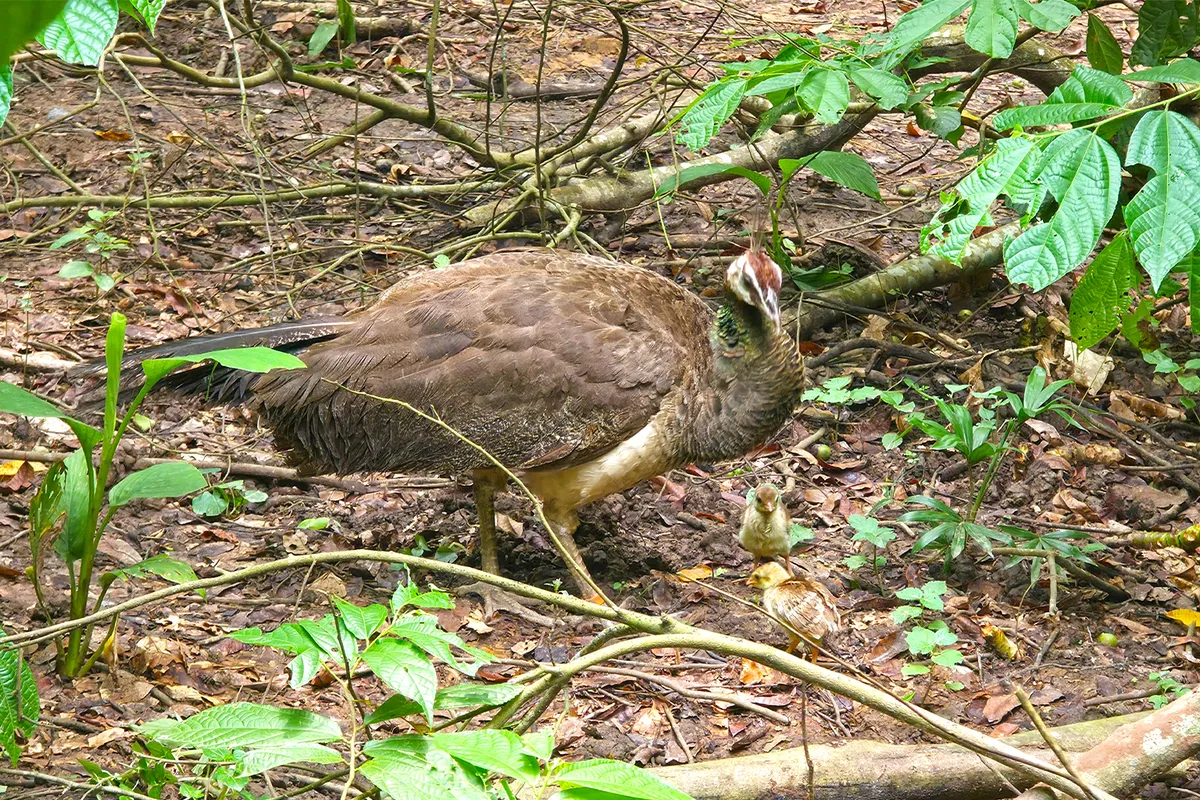
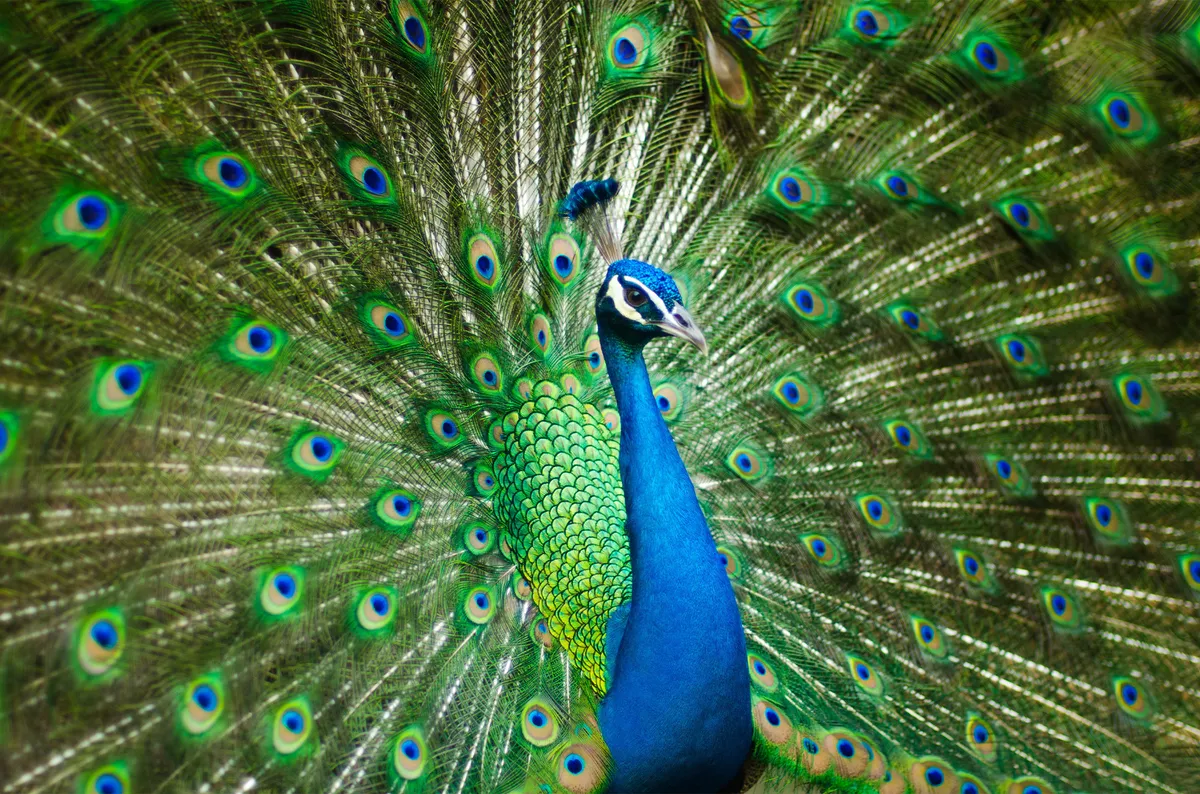
Last May, the Bangladesh Forest Department and the Creative Conservation Alliance moved 20 common Indian peafowl (the ones with the dazzling blue and green plumage) into a spacious enclosure within Madhupur National Park. Think of it as a very fancy, very large onboarding program. This initial group of five males and 15 females has, impressively, already laid 12 eggs. And one plucky chick has officially hatched into this semi-wild existence.
We're a new kind of news feed.
Regular news is designed to drain you. We're a non-profit built to restore you. Every story we publish is scored for impact, progress, and hope.
Start Your News DetoxAbu Naser Mohsin Hossain of the Tangail Forest Division confirmed the little one is now six months old and holding its own. The strategy? Only the chicks born and raised in the enclosure will eventually be released. These youngsters are growing up with a natural education, learning the ropes from their parents but within a protected environment. The original 20 parent birds, the ones who started this whole endeavor, will remain in their comfortable enclosure, serving as the breeding stock for future generations of wild peafowl. Because apparently, that's where we are now: meticulously planning the family trees of long-lost birds.
It’s a long game, but if successful, Bangladesh might once again hear the distinctive call of the peafowl echoing through its forests. And honestly, who wouldn't want more flamboyant birds in the world?