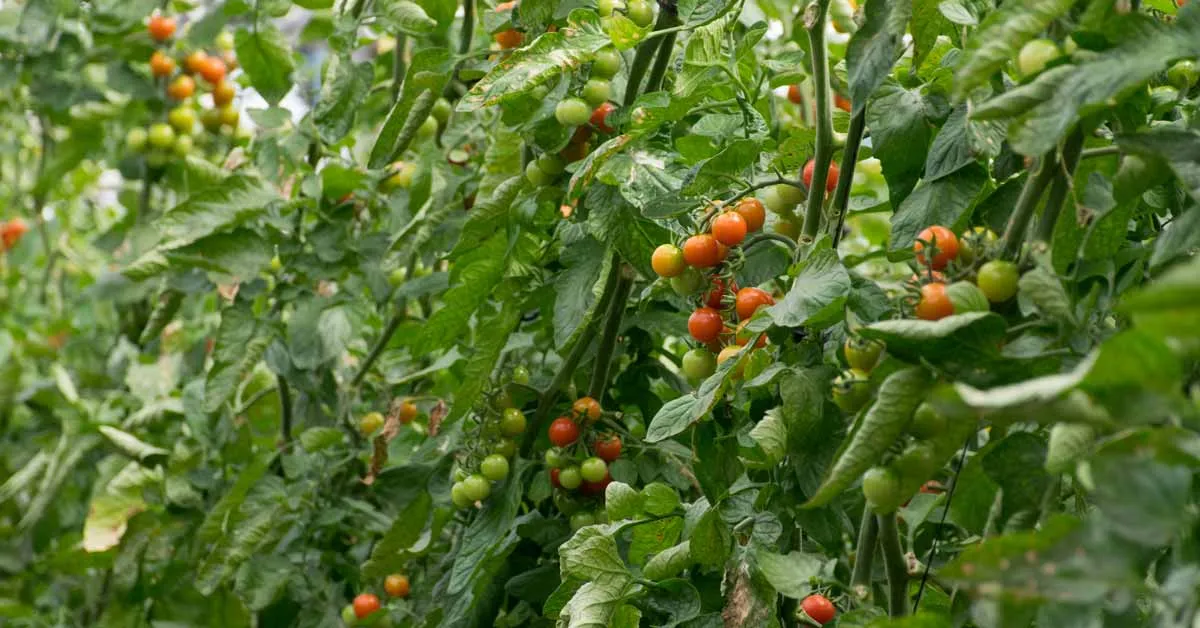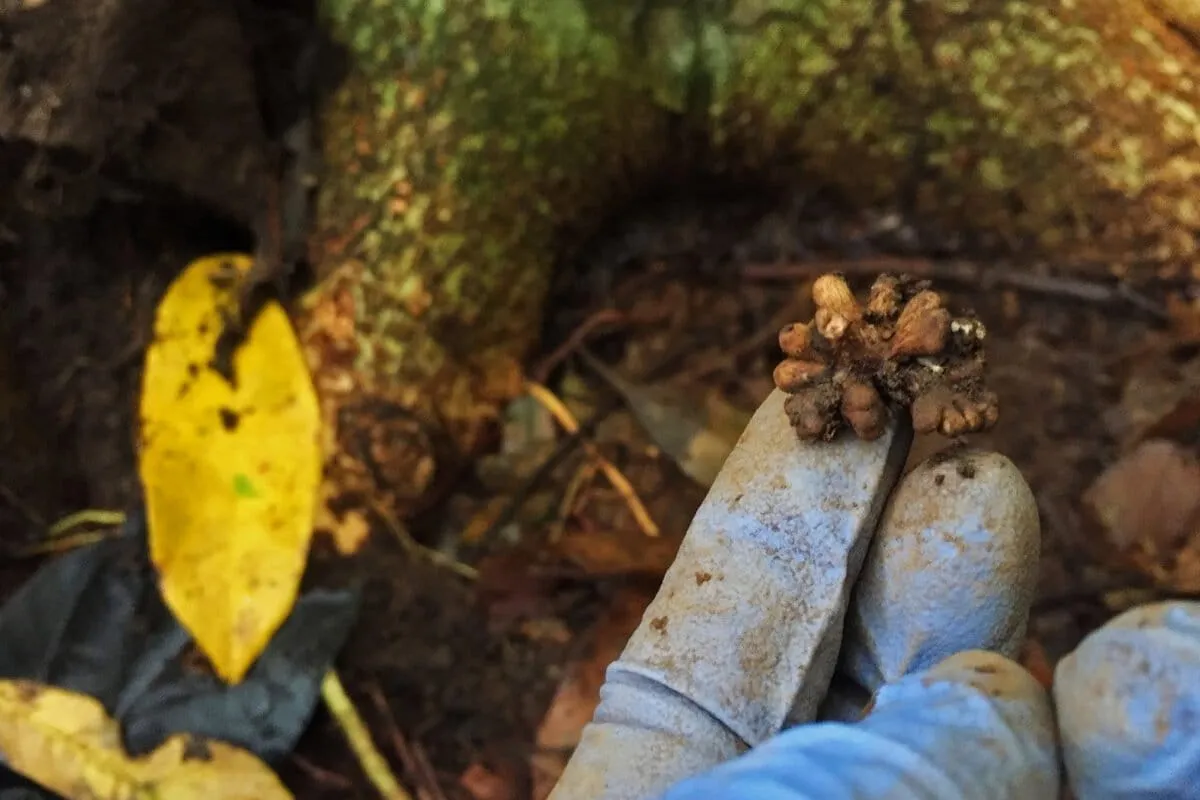
Tropical forests are one of our most powerful tools for pulling carbon out of the atmosphere—but only if they grow fast enough to matter. A new study from Panama reveals a simple constraint that's been holding them back: nitrogen in the soil.
When land is cleared for farming or development, nitrogen either evaporates or washes away, leaving the soil depleted. Researchers at the Cary Institute of Ecosystem Studies wanted to know how much this mattered for forest recovery. So they ran a large-scale experiment in the Panama Canal Watershed, adding nitrogen and phosphorus to recently cleared plots and watching what happened over a decade.
The results were stark. Trees in plots treated with nitrogen grew nearly twice as fast as those in untreated control plots during the first ten years. "We didn't realize that nitrogen could be that important in tropical forests," said study author Susan Batterman, an ecologist at the Cary Institute and associate professor at the University of Leeds. "The fact that the forest grew back twice as fast in the first decade was just kind of amazing."
We're a new kind of news feed.
Regular news is designed to drain you. We're a non-profit built to restore you. Every story we publish is scored for impact, progress, and hope.
Start Your News DetoxThis matters more than it sounds. Regenerating forests pull carbon dioxide from the air—but only as fast as their trees grow. If nitrogen deficiency is slowing that growth by half, then our predictions about how much carbon these forests can sequester have been too optimistic. And our restoration strategies have been leaving money on the table.
The implications are practical. Tropical forest restoration is already recognized as one of the most cost-effective ways to fight climate change. If adding nitrogen could double the carbon storage rate in the early years, it changes the economics of restoration projects across the tropics. The researchers emphasize that nutrient availability needs to become a standard part of how we plan and predict forest recovery—not an afterthought.
The study is part of a larger shift in restoration science: moving beyond just planting trees to understanding the soil conditions that let them thrive. It's a reminder that climate solutions often aren't about inventing something new, but about understanding what's already there and removing the bottlenecks.
Study: Nitrogen addition accelerates early-stage tropical forest regrowth - Nature Communications, 2026
Tropical forests play a key role in climate change mitigation - IPCC, 2019