Blue Origin is stepping back from joy rides to focus on something bigger: getting humans to the moon.
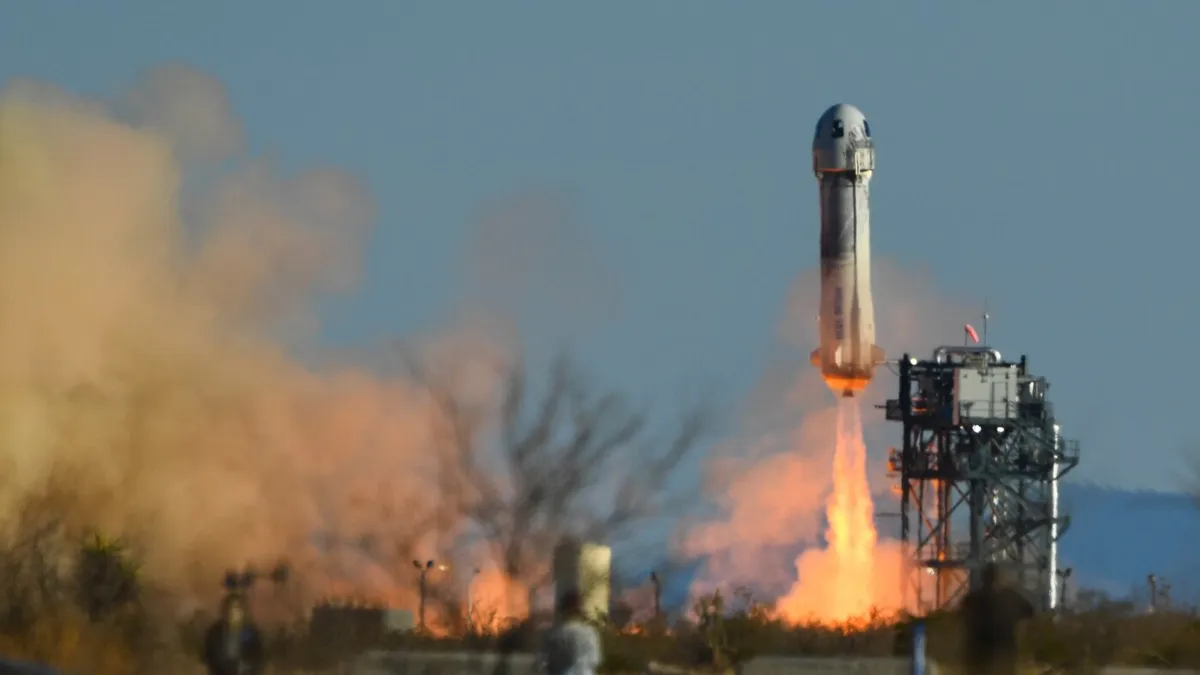
The company is suspending its New Shepard space tourism flights for at least two years. Since July 2021, these suborbital trips have taken 98 people on a roughly ten-minute journey above the Kármán line—the 62-mile-high boundary where space officially begins—and back down to the West Texas desert. It's the kind of experience that used to exist only in science fiction.
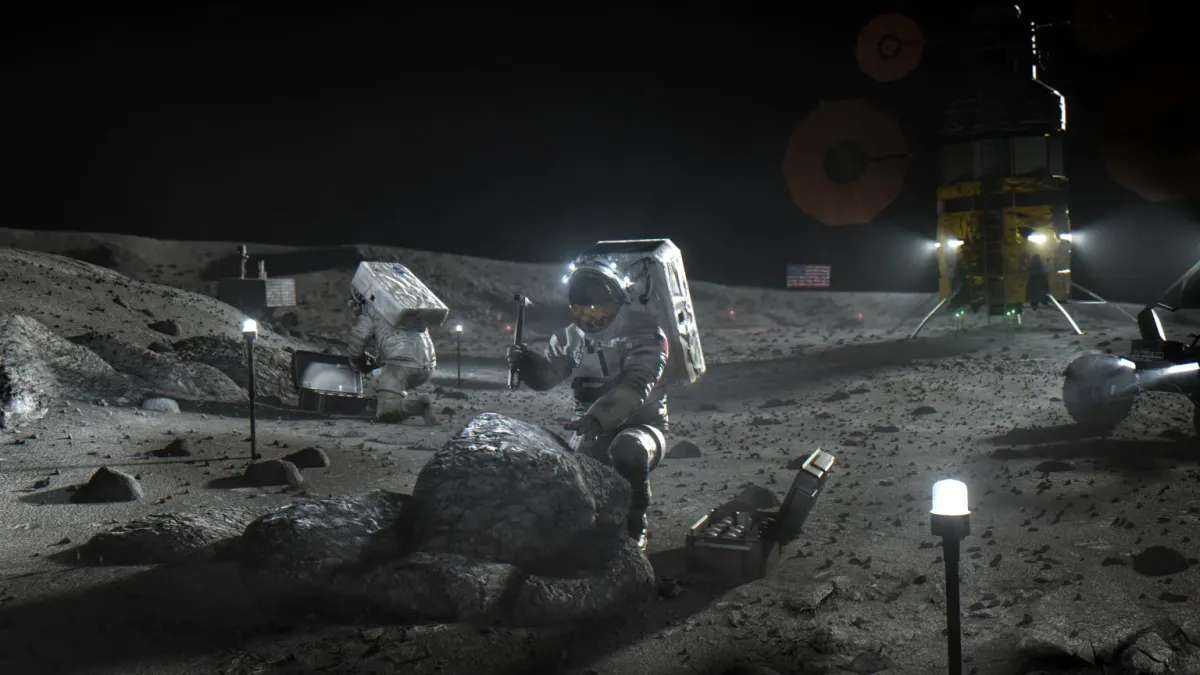
But now Blue Origin has a different mission. NASA handed the company a $3.4 billion contract to develop a spacecraft capable of landing humans on the lunar surface. That's where the focus shifts.
We're a new kind of news feed.
Regular news is designed to drain you. We're a non-profit built to restore you. Every story we publish is scored for impact, progress, and hope.
Start Your News DetoxThe lunar race is on
NASA's Artemis program is working to return humans to the moon for the first time in more than 50 years, and it's doing this through partnerships with private space companies rather than building everything in-house. SpaceX is developing its Starship rocket for the first two crewed lunar landings. Blue Origin gets the third.
Before any of them can touch down on the lunar surface, though, NASA has to nail Artemis II—a crewed mission that will loop around the moon and return to Earth. That launch was targeted for early February, though unusually cold weather at the Florida launch site has delayed a critical test.
The pause in Blue Origin's tourism flights signals where the real momentum is: not in ten-minute suborbital hops, but in the harder, longer work of sustained lunar exploration. The company has proven it can get people safely to the edge of space. Now it's betting that its bigger contribution will be getting them to another world.
The next few years will show whether that bet pays off.