At the highest levels of chess, the best players almost never lose to each other. They draw. A lot. More than 70% of games between elite grandmasters end in stalemate, and in online correspondence chess, that figure climbs to 95%.
This creates a peculiar statistical headache: if top players keep drawing, their ratings barely budge. The system can't distinguish between a player who's improving and one who's treading water. It's like trying to measure someone's height when they keep standing on the same step.
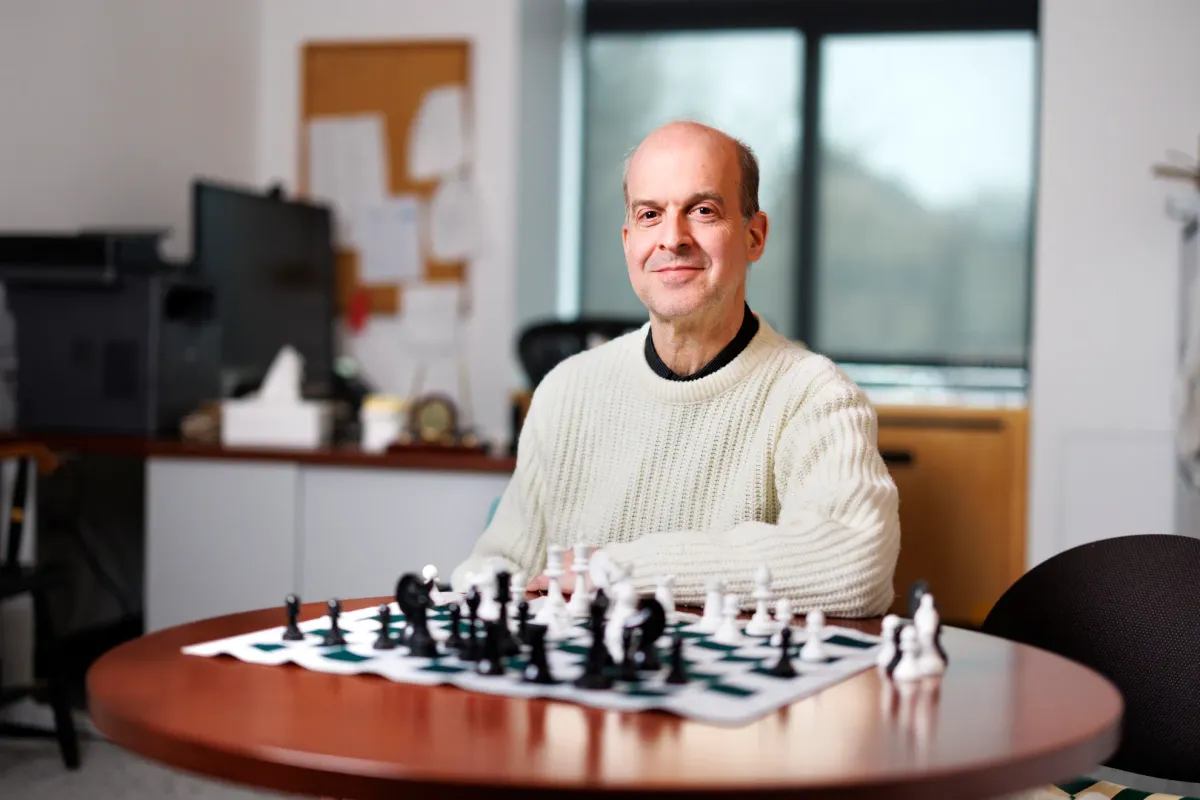
Mark Glickman, a statistician at Harvard who's been thinking about chess ratings for years, realized the problem was baked into how ranking systems work. Traditional models treat the probability of a draw as a fixed number — the same whether two average players face off or two world champions do. "What ended up happening is that these top players were not having their ratings change very much, just because the games would be drawn all the time," Glickman explained.
We're a new kind of news feed.
Regular news is designed to drain you. We're a non-profit built to restore you. Every story we publish is scored for impact, progress, and hope.
Start Your News DetoxHis solution sounds simple once you hear it: build a system where the likelihood of a draw actually depends on how strong the players are. Two evenly matched grandmasters should show a much higher draw probability than two club players. That shift lets the ratings capture meaningful differences even when the game ends without a winner.
A Model That Learns From Draws
Glickman adapted a statistical framework called paired comparison modeling — used in everything from sports rankings to product preferences — and rewired it so the draw parameters shift based on player strength. The result is more accurate probability estimates for wins, losses, and especially draws.
The International Correspondence Chess Federation noticed. In 2021, they asked Glickman to build them a new system. Two years later, they adopted it. "It does seem to be performing well so far," said ICCF services director Austin Lockwood. "Players take a while to get used to change, but we haven't had many complaints, which suggests it has been well-received."
What makes this interesting beyond chess is that the same logic applies anywhere draws happen regularly. Soccer, boxing, cricket — any sport where a tie is a genuine outcome. Glickman notes that professional hockey faced a similar rating problem until 2005, when the NHL introduced shootouts to force a winner. His model offers a different path: accept the draw, but measure it smarter.
It's the kind of problem that only matters if you care about accuracy at the margins. But those margins are where elite performance actually lives.