Scientists have figured out how to smell the past. By analyzing the molecular fingerprints left behind on ancient objects, researchers are now recreating the aromas that filled Egyptian tombs, Roman bathhouses, and ritual spaces thousands of years ago — and turning them into museum experiences that change how visitors understand history.
It sounds like science fiction, but it's rooted in careful chemistry. Archaeo-chemist Barbara Huber at the Max Planck Institute developed a workflow that converts biomolecular data into actual scents. The challenge isn't just identifying which aromatic molecules were present; it's translating that chemical information into something coherent and moving.
"The real challenge lies in imagining the scent as a whole," explains perfumer Carole Calvez, who worked with Huber's team to develop the formulations. "Biomolecular data provide essential clues, but the perfumer must translate chemical information into a complete and coherent olfactory experience that evokes the complexity of the original material, rather than just its individual components."
We're a new kind of news feed.
Regular news is designed to drain you. We're a non-profit built to restore you. Every story we publish is scored for impact, progress, and hope.
Start Your News DetoxBringing Ancient Egypt Back Through Smell
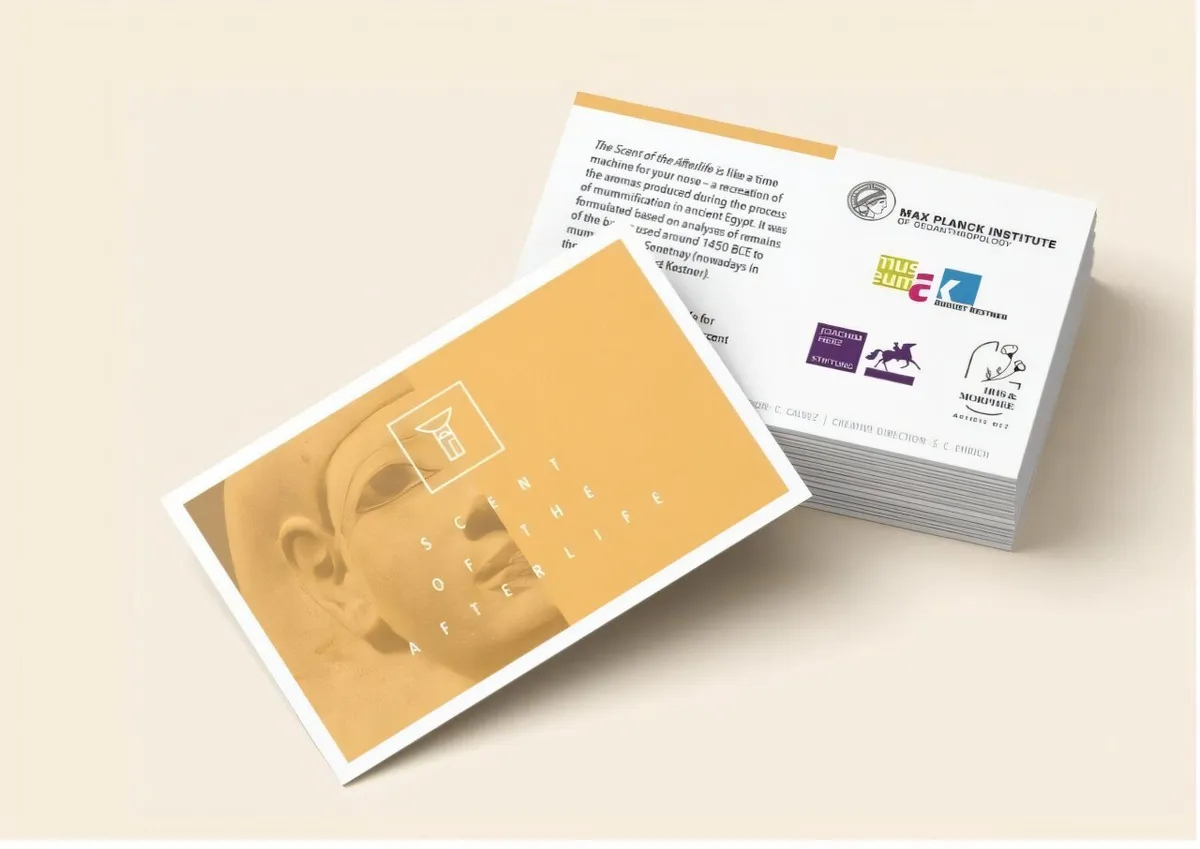
The team's first major project: "The Scent of the Afterlife," a recreation of the aromas that surrounded Egyptian mummification. They created two formats — a portable scented card and a fixed diffusion station — and tested both in real museums.
At the Museum August Kestner in Hanover, Germany, the scent card became part of guided tours. Curators Christian Loeben and Ulrike Dubiel noticed something shift in how visitors engaged with mummification. "It moves away from the scare factor and horror movie clichés towards an appreciation of the motivations behind the actions and the desired results," they observed. A smell, it turns out, can reframe an entire historical moment.
The fixed scent station at Denmark's Moesgaard Museum in the exhibition "Ancient Egypt—Obsessed with Life" had a similar effect. "The scent station transformed how visitors understood embalming," says curator Steffen Terp Laursen. "Smell added an emotional and sensory depth that text labels alone could never provide."
This work opens a quiet door. Museums have long relied on sight and reading to connect visitors with the past. Adding smell — one of our most emotionally direct senses — creates a different kind of understanding. You don't just learn that ancient Egyptians valued preservation; you experience something of what that ritual might have felt like. That's not entertainment. That's archaeology becoming sensory and human.
As museums and researchers refine these techniques, the question isn't whether scent will become a standard tool in cultural heritage. It's how many other moments from history are waiting to be recovered, molecule by molecule.