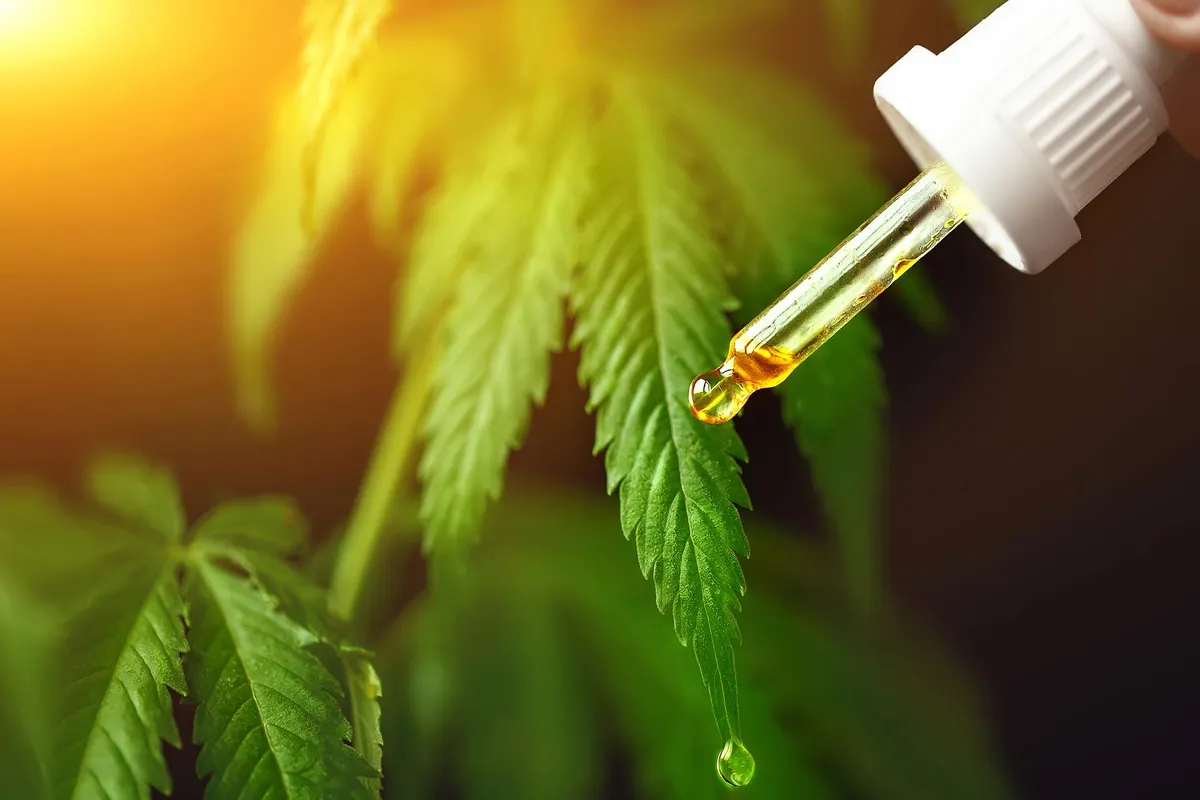
A team at Hebrew University has found that two non-intoxicating compounds from cannabis—CBD and CBG—can reduce fat buildup in the liver and restore the metabolic systems that clean up cellular waste. The discovery points toward a plant-based treatment for one of the world's most common chronic liver conditions, affecting roughly one in three adults.

Fatty liver disease, officially called metabolically-dysfunction-associated steatotic liver disease (MASLD), has become the leading chronic liver condition globally. It's tightly linked to obesity, high blood pressure, and insulin resistance. Most people are told to diet and exercise more, but sticking to those changes is hard. And there aren't many drugs available to treat it. That gap is why researchers have been hunting for new approaches.
Prof. Joseph Tam and his team at the Hebrew University School of Pharmacy discovered that CBD and CBG work in two specific ways. First, they boost a molecule called phosphocreatine inside liver cells—think of it as an emergency energy backup. When your body is under metabolic stress (say, from a high-fat diet), this reserve helps liver cells keep functioning properly. The liver doesn't normally rely on this type of energy buffer, which makes the finding significant. Second, the compounds reactivate cathepsins, enzymes that act like cellular garbage disposals. These enzymes break down harmful fats and metabolic waste so cells can expel them. The researchers saw substantial drops in damaging lipid molecules, including triglycerides and ceramides—the latter being especially problematic because it drives insulin resistance and inflammation.
We're a new kind of news feed.
Regular news is designed to drain you. We're a non-profit built to restore you. Every story we publish is scored for impact, progress, and hope.
Start Your News Detox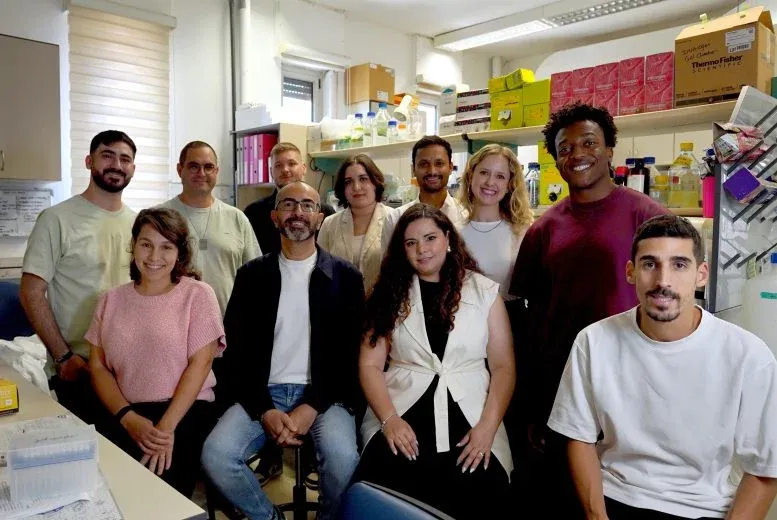
The two compounds performed slightly differently. Both stabilized blood sugar and improved glucose management. But CBG showed stronger results overall: it reduced body fat more effectively, boosted insulin sensitivity, and lowered total cholesterol and "bad" LDL cholesterol more than CBD did. This suggests CBG might be the more potent option, though both showed promise.

What's particularly interesting here is the mechanism. Rather than simply blocking fat production or forcing weight loss, these compounds appear to restore the liver's own ability to manage energy and clean itself up. It's less like taking a sledgehammer to the problem and more like fixing the machinery that was never working right in the first place. That distinction matters for how we think about treating metabolic disease more broadly—the compounds aren't just treating the symptom (excess fat) but addressing the underlying cellular dysfunction.
The researchers are careful to note that this work was done in laboratory and animal models, not yet in humans. Translating these findings into safe, effective treatments will require more research. But the pathway is clear: by targeting how cells handle energy and waste removal, plant-derived compounds could offer new options for people dealing with fatty liver disease and related metabolic conditions. The next phase will be figuring out dosing, safety, and whether these effects hold up when the compounds move from the lab into clinical trials.
Reference: Cannabidiol and Cannabigerol Ameliorate Steatotic Liver Disease via Phosphocreatine Buffering and Lysosomal Restoration - British Journal of Pharmacology, March 5, 2026