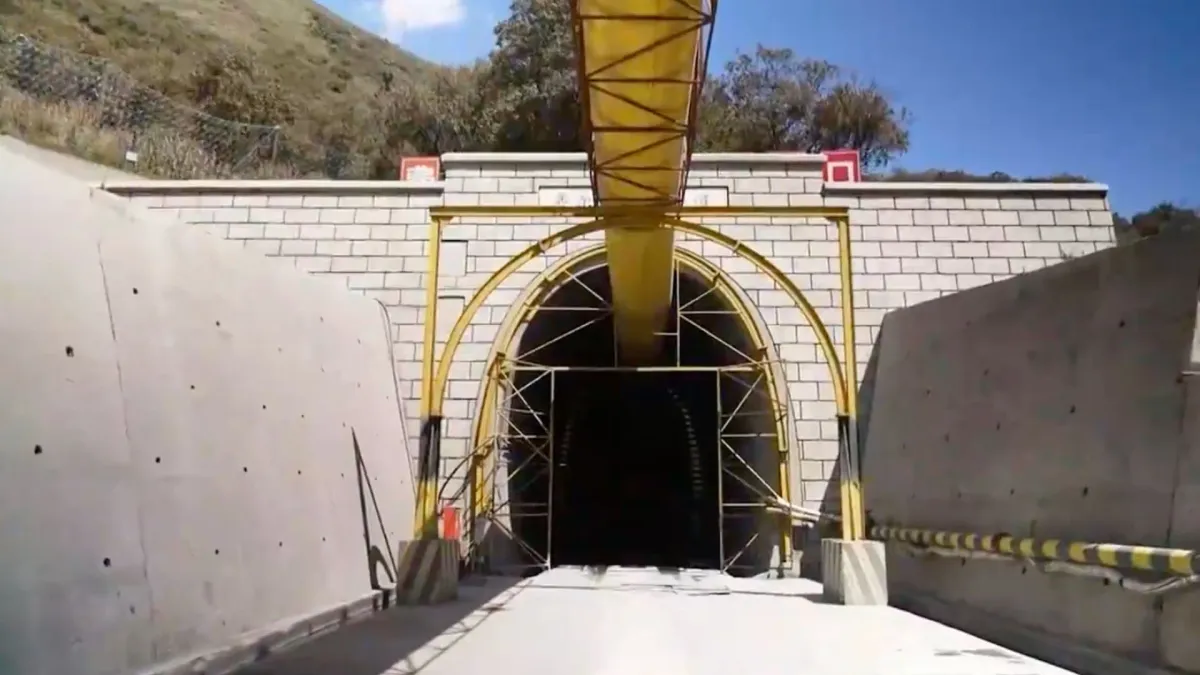
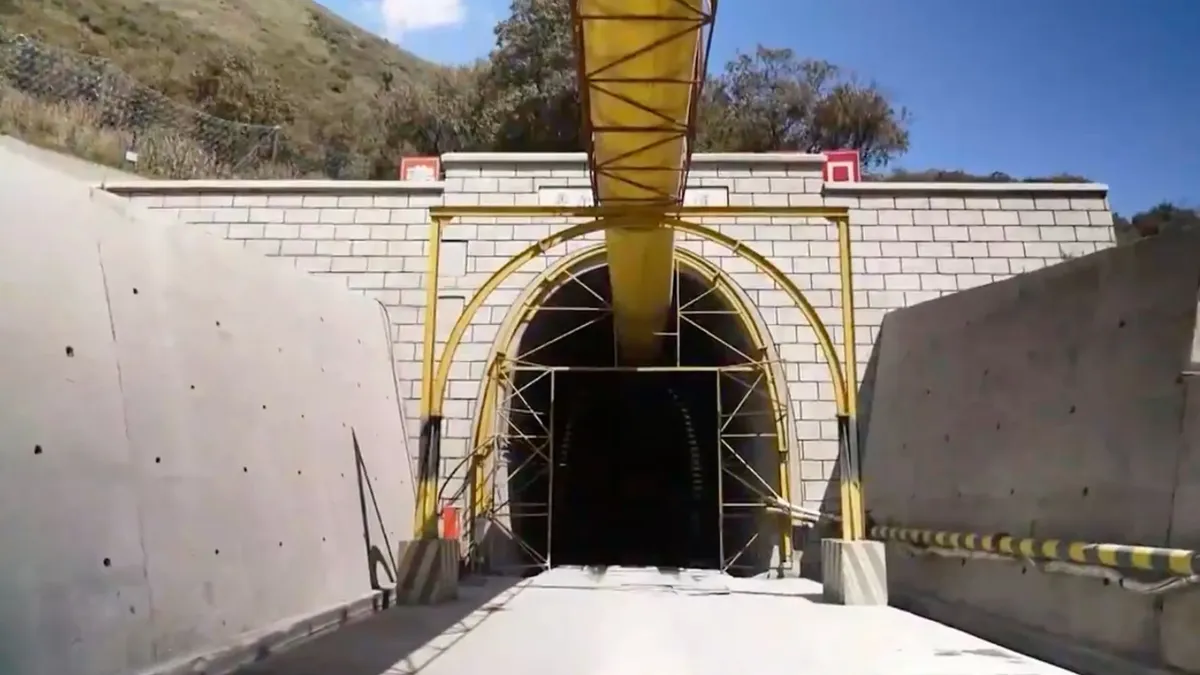
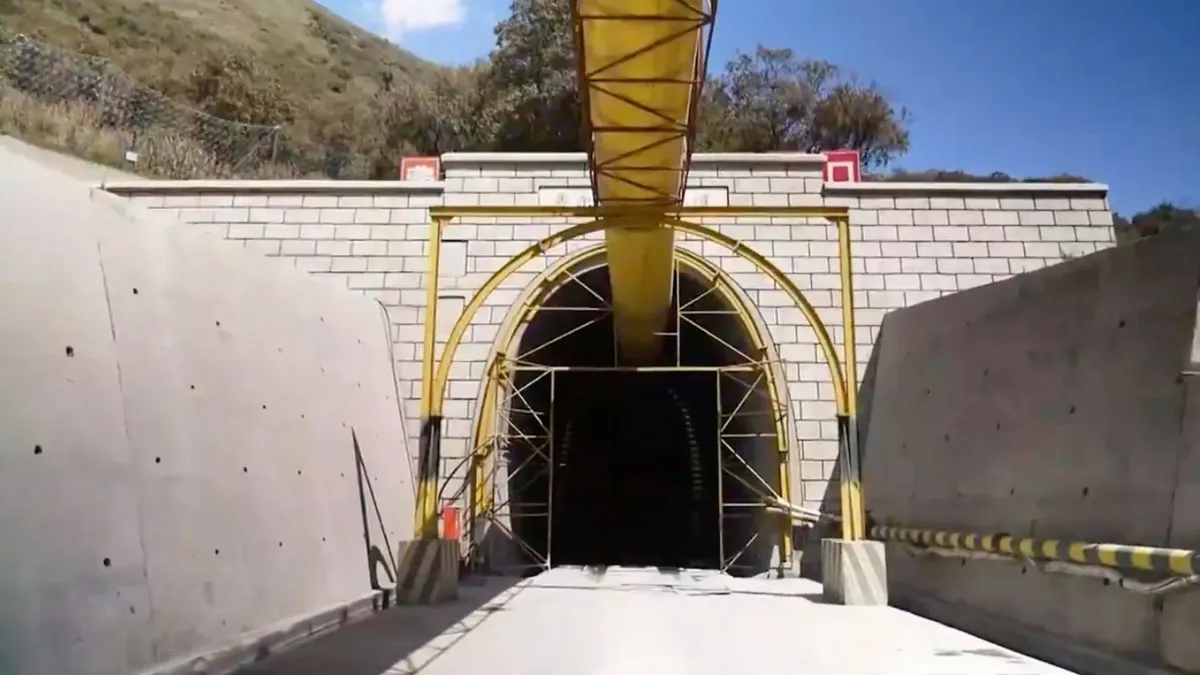
Well, it finally happened. After nearly three decades of planning, geopolitical maneuvering, and probably a lot of very patient engineers, China has officially punched through the first tunnel on a massive railway project. This isn't just any tunnel; it's a 690-foot section in Kyrgyzstan, marking the first concrete step (or, rather, drill-through) for a 310-mile rail line that will link China, Kyrgyzstan, and Uzbekistan.
Think of it as the ultimate shortcut. Once complete, this China-Kyrgyzstan-Uzbekistan (CKU) railway will be the shortest land route connecting China to the Middle East and Europe. We're talking about shaving up to eight days off transit times compared to current routes. For landlocked Kyrgyzstan and Uzbekistan, it’s a direct ticket to Chinese and Asia-Pacific markets. For China, it's a shiny new path west that doesn't have to go through Russia or Kazakhstan. Because apparently that's where we are now.
A Very Long Road (and Rail)
The CKU railway was first floated in 1997. Let that sink in. The project has been stalled by everything from challenging mountain terrain to disagreements over railway gauges (which, yes, is a surprisingly big deal). But with China's President Xi Jinping recently visiting Kyrgyzstan, and both countries reaffirming their commitment, things are finally, truly, moving. The Kyrgyz section is now 17% finished, with 27 tunnels, 43 bridges, and 88 roadbed sections currently under construction.
We're a new kind of news feed.
Regular news is designed to drain you. We're a non-profit built to restore you. Every story we publish is scored for impact, progress, and hope.
Start Your News DetoxOne of the more elegant (or perhaps, pragmatic) solutions to those gauge disagreements? A dual-gauge system. The section from the Chinese border will use China's standard gauge, while the remaining stretch towards Uzbekistan will stick to the Soviet-era broad gauge. Cargo will simply switch systems at a planned hub in Makmal, essentially bringing Chinese standard gauge into the very heart of Central Asia for the first time. Which, if you think about it, is both impressive and slightly terrifying, depending on which side of the geopolitical fence you're standing on.
While China and Russia are busy expanding their other economic ties, this railway offers China an alternative route that bypasses Russia entirely. Moscow has been watching this project with keen interest, especially as Russia's regional influence faces pressure from, well, everything else happening in the world. Kyrgyzstan, for its part, has been actively seeking other foreign investments, a clear signal that the region is diversifying its dance partners.
Now, about those deadlines: The chief engineer is eyeing June 2031, but Uzbekistan is pushing for a 2028 completion. Because when you've waited 27 years, what's a few more? Either way, the first tunnel is through. And that's one heck of a start.