Imagine a city where construction crews dig up perfectly good, clean soil — a valuable resource, mind you — and then immediately pay to haul it out of town. Meanwhile, other city projects are buying clean soil, often from the very same vendors who just took the perfectly good soil away. It sounds like a bad joke, or perhaps a particularly inefficient episode of a municipal sitcom. Yet, this is the reality for many cities, annually costing millions and creating a whole lot of unnecessary truck traffic and pollution.
Enter the glorious, common-sense solution: soil banking.
The Dirt on Dirt Banking
Soil banking is exactly what it sounds like. Instead of treating excavated soil like a dirty secret to be shipped off, cities establish a system to keep and reuse that surplus dirt within their own limits. This creates an in-house supply of fill material, drastically cutting construction costs, ensuring quality, and making soil readily available for everything from flood protection to community gardens. It's like having a savings account, but for dirt. And the dividends are significant taxpayer savings.
New York City, ever the trendsetter, launched the U.S.'s first clean soil bank in 2013. The premise is brilliantly simple: connect developers who have extra soil with those who need it. Environmental experts rigorously check the soil's chemical quality before it moves. The polluted, shallow stuff gets properly disposed of, but the clean, deep soil? That gets circulated right back into the city's infrastructure. It's checked again as it’s loaded onto trucks, just to be sure. Because nobody wants questionable dirt.
We're a new kind of news feed.
Regular news is designed to drain you. We're a non-profit built to restore you. Every story we publish is scored for impact, progress, and hope.
Start Your News DetoxNYC construction generates a staggering 1.5 million tons of clean soil each year. That's enough to fill a professional baseball field to a height of about 30 feet. Yet, before the bank, 95% of it was sent out of the city, costing millions. The NYC Clean Soil Bank keeps all its soil within city limits, slashing transportation by roughly 80%. Let that satisfying number sink in.
Run by the Mayor’s Office of Environmental Remediation, this nonprofit program is free to use. Donors pay to ship the soil, yes, but they save around 67% compared to commercial disposal. Recipients get the soil for free. In its first three years, 26 donors collectively saved $220,000 per project, while 40 recipients saved an average of $256,000 per project. The grand total? An estimated $16 million in soil management savings. Your tax dollars, doing actual work.
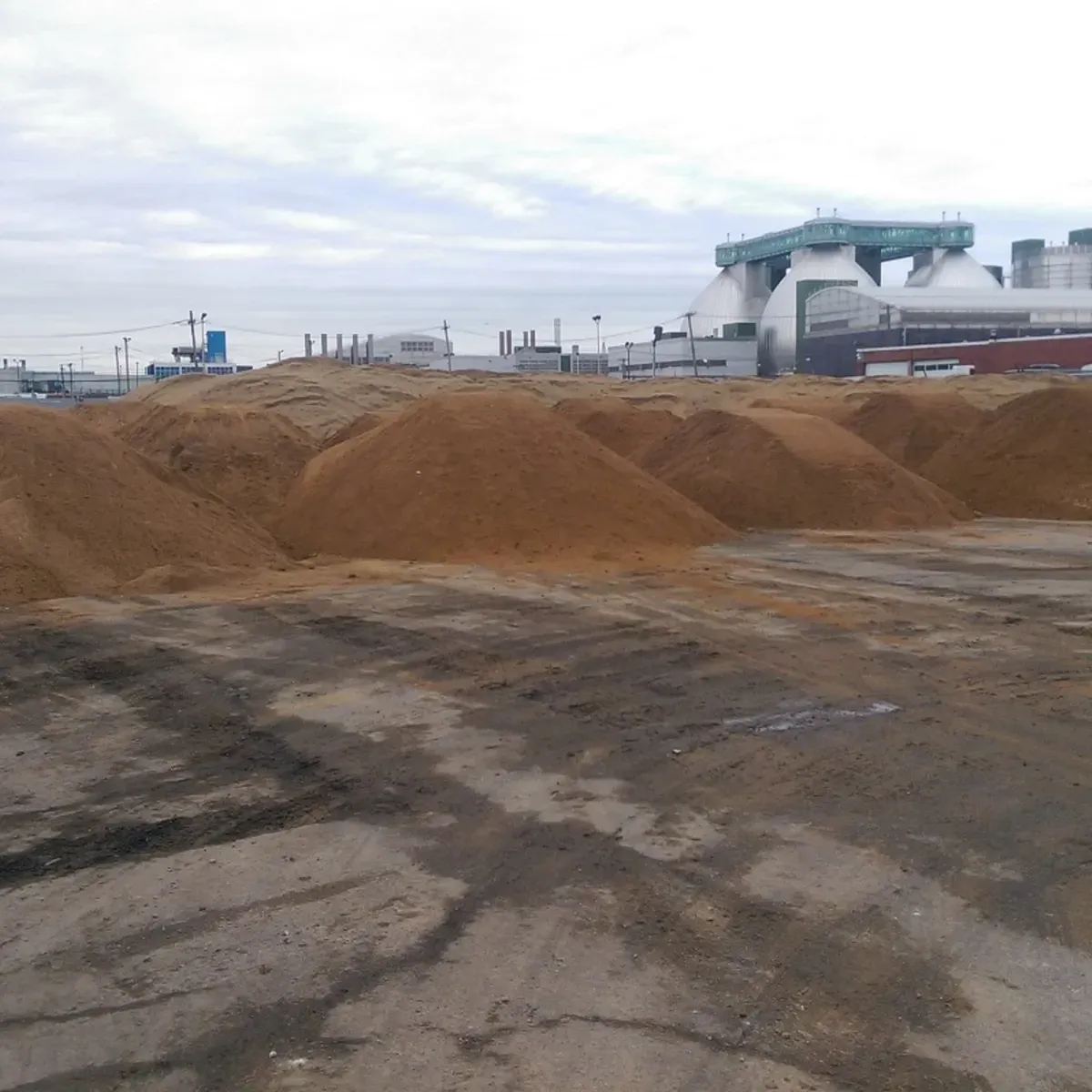
Government projects get first dibs, naturally, further reducing taxpayer costs. This recycled clean soil has been used to elevate flood-prone land, construct waterfront barriers, create new wetlands, and even provide a protective layer over polluted sites. It also spearheaded the PURE Soil program, which delivers a foot or more of clean, compost-rich soil to urban community gardens, transforming poor city soil into fertile ground. They even offer a public stockpile of free clean soil for residents. Because everyone deserves good dirt.
Setting up such a system requires some technical know-how — you need to tell the difference between the good dirt and the bad, and navigate regulations around "solid waste." But even if a city doesn't have the staff, private environmental professionals can run the show. And the concept isn't limited to just soil; similar banks could handle recycled concrete, brick, masonry, and asphalt. Because why throw away perfectly good building blocks when you can just... bank them?
The money saved on soil disposal or purchase can easily cover a soil bank's operating costs, leading to significant net savings. The NYC Clean Soil Bank, for instance, saved about $1.1 million annually over its first three years, with operating costs of just $20,000 per year. That's a return on investment most cities can only dream of. It turns out, sometimes the smartest way to manage a resource is to simply stop throwing it away.