Could giving Lough Neagh legal "personhood" help save it? This idea comes from a former lawyer who used this approach to protect a Spanish saltwater lagoon. He believes it could "transform" the future of Lough Neagh.
Lough Neagh, the largest freshwater lake in these islands, has faced problems with toxic blue-green algae since 2023. This pollution mainly comes from farming and wastewater. Experts recently met in Belfast to discuss solutions.
What are Rights of Nature?
Rights of Nature (RoN) is a legal idea that gives a natural place the same legal standing as a person. This means the site has the right to exist, thrive, be restored, and be respected. It also allows anyone to defend these rights in court on behalf of nature.
We're a new kind of news feed.
Regular news is designed to drain you. We're a non-profit built to restore you. Every story we publish is scored for impact, progress, and hope.
Start Your News DetoxWithout this recognition, natural sites rely on human-focused environmental laws for protection. Several countries have used this concept to protect important natural areas. The Republic of Ireland is even thinking about adding RoN to its constitution.
The Story of Mar Menor
Mar Menor, Europe's largest Mediterranean saltwater lagoon, is on Spain's south-eastern coast. It's vital for the local economy, supporting tourism and small-scale fishing. The lagoon's ecosystem, with its wetlands and seagrass beds, is home to many types of wildlife.
Like Lough Neagh, Mar Menor had special protections. But despite these, it suffered from pollution due to intense farming nearby. This pollution changed the lagoon's balance. By 2016, it caused a massive algae bloom that removed oxygen from the water, killing thousands of species.
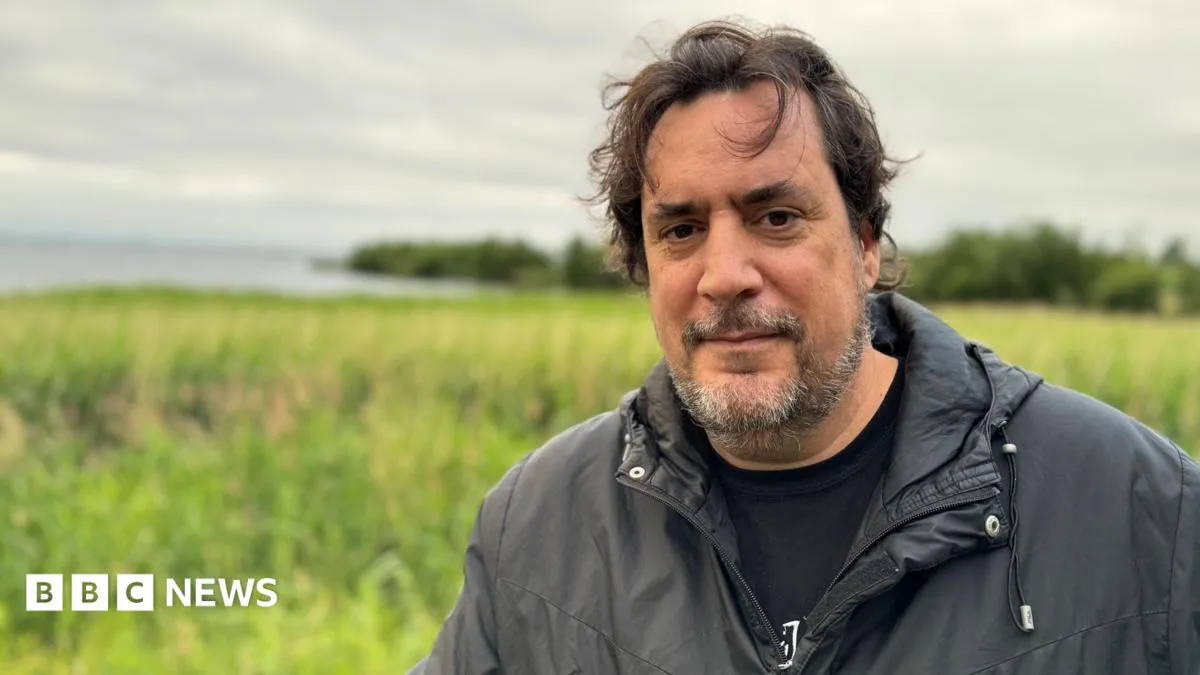
Professor Eduardo Salazar-Ortuño, who grew up near Mar Menor, was deeply affected by this damage. He described seeing fish dying on the shore, saying, "If you have been as a child in the Mar Menor, you cannot see these images and stay the same person after." He then looked to the law for a solution, finding it in Rights of Nature.
Giving Mar Menor Legal Rights
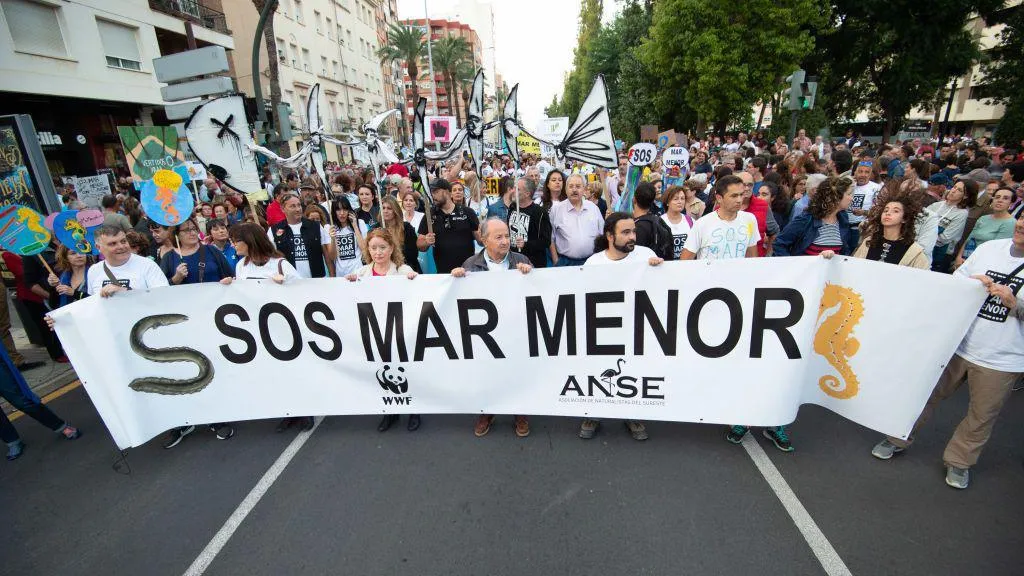
Salazar-Ortuño started his work with strong public support. Over 600,000 people in Murcia signed a petition asking for legal protection for Mar Menor. He explained, "We went to the parliament in order to change the existing anthropocentric law into an ecocentric law."
They proposed that Mar Menor should have rights and legal personhood. A guardianship was set up, allowing anyone to go to court on the lagoon's behalf. This group includes fishermen, farmers, citizens, and environmental groups.
Now, if someone pollutes Mar Menor, any money for restoration goes directly to the lagoon. This approach has already made a difference. Salazar-Ortuño noted that the environmental ministry has invested over €600 million (£517.5m) in restoring Mar Menor.
Hope for Lough Neagh
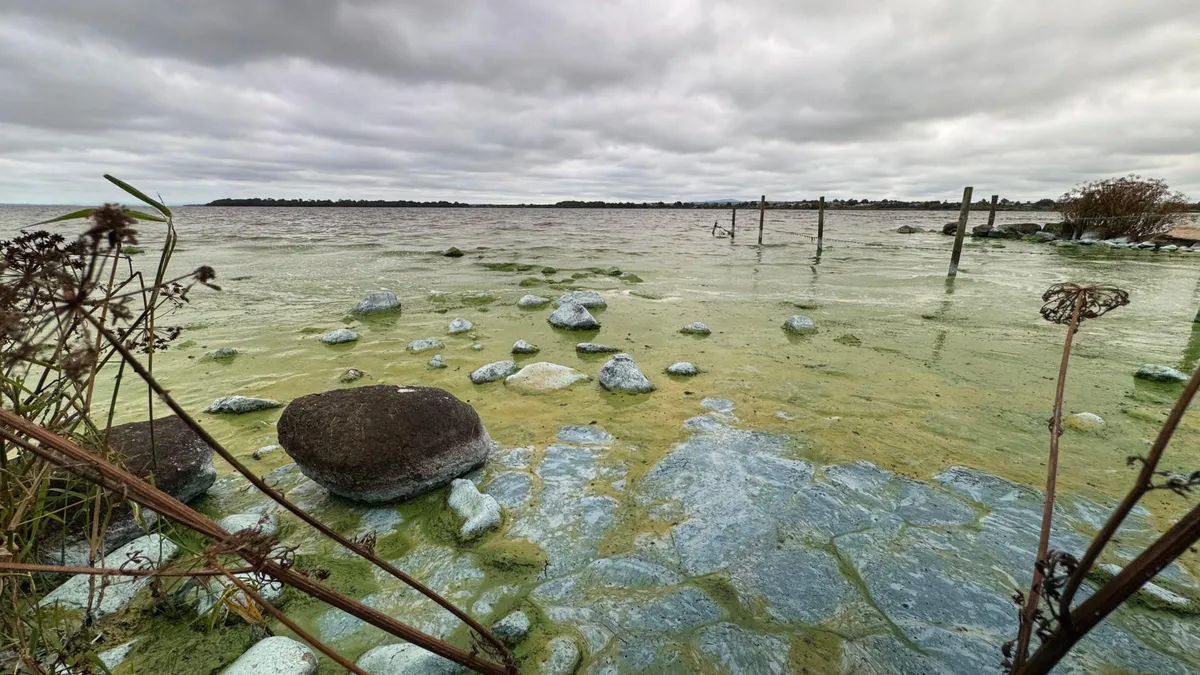
The success at Mar Menor has caught the attention of lawyers and academics in Northern Ireland. They are looking for ways to help restore Lough Neagh. At a recent meeting, experts like Salazar-Ortuño shared their insights with fishermen, conservationists, and policymakers.
Simon Chambers, chair of the Climate Justice Group at the Law Society of Northern Ireland, said Lough Neagh is a clear focus for a team effort. He hopes the Mar Menor example will inspire future lawyers to bring similar protections to Northern Ireland.
Although severe algal blooms haven't appeared this year due to stormier weather, algae has been found in several areas around Lough Neagh. Salazar-Ortuño believes RoN could greatly benefit Lough Neagh. He thinks changing the law can shift people's focus to the ecosystem, rather than just human development.
He emphasized that all citizens should understand they are "part of the ecosystem." He added, "You can go in this path, in this way to understand Lough Neagh differently - not only as a fish tank."
Deep Dive & References
- Saving Europe's largest saltwater lagoon - BBC Future, 2023
- How the human right to a healthy environment helps nature - BBC Future, 2021
- The New Zealand river that became a legal person - BBC Travel, 2020
- Will making India's holiest river a 'person' save it? - BBC News, 2017