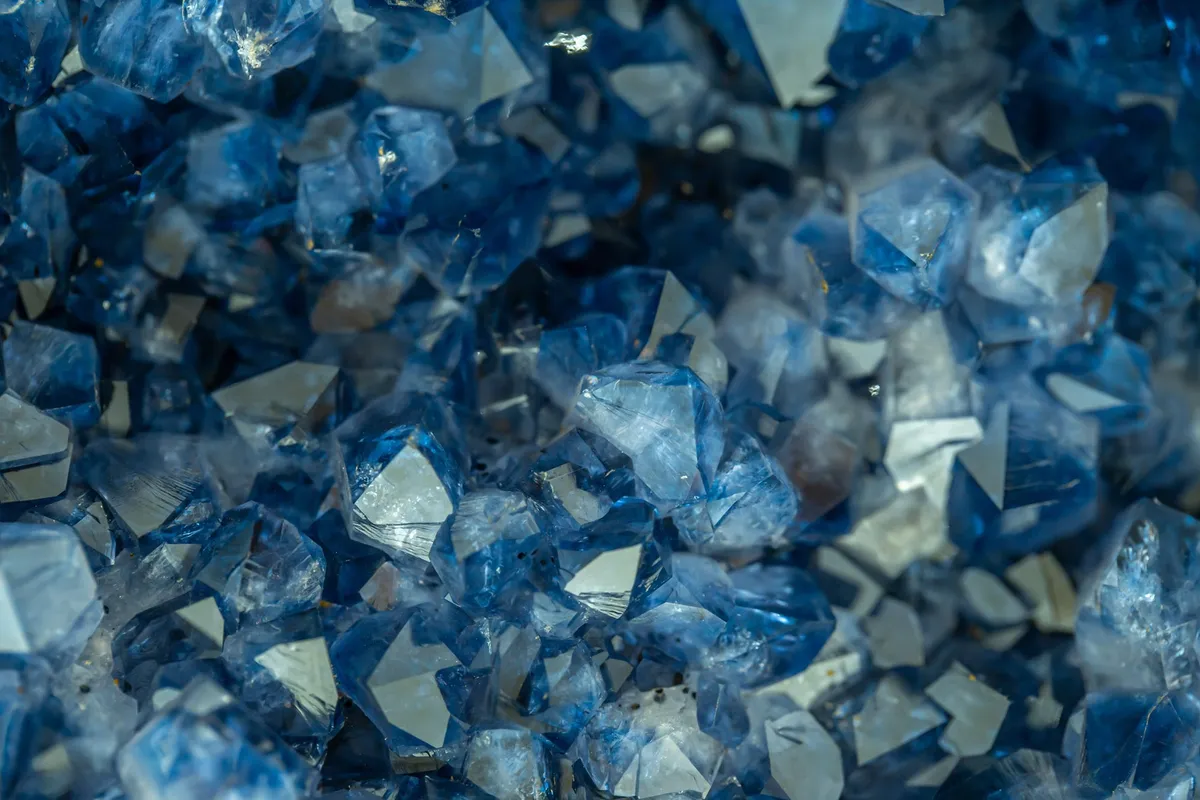
Tiny crystals buried in Australian sands are telling scientists a story that stretches back tens of millions of years — and it's changing how we understand the continent's geological past.
Curtin University researchers have cracked a new way to read that history. They're using zircon crystals, microscopic grains so tough they can survive weathering, erosion, and transport across geological time. Inside each one sits a trace of krypton, a rare gas created when the crystal sits near Earth's surface and gets bombarded by cosmic rays. By measuring how much krypton accumulated inside the zircon, the team can work out exactly how long each crystal spent exposed before being buried — essentially a natural clock powered by the cosmos.
"Our planet's history shows climate and tectonic forces can control how landscapes behave over very long timescales," says Dr Maximilian Dröllner, who led the research. "This helps us understand what happens when sea levels change and how deep-seated Earth movements influence landscape evolution."
We're a new kind of news feed.
Regular news is designed to drain you. We're a non-profit built to restore you. Every story we publish is scored for impact, progress, and hope.
Start Your News DetoxReading the Deep Record
The breakthrough matters because it lets scientists study landscapes far older than previous methods allowed. The team found that when tectonic activity slows and sea levels stay high, erosion nearly stops. Sediments pile up and get recycled near the surface for millions of years — creating a kind of geological waiting room where minerals accumulate and concentrate.
This isn't just academic curiosity. Australia sits on some of the world's most valuable mineral deposits, and understanding how they form and concentrate has real economic weight. Climate doesn't just shape landscapes; it shapes where resources end up and how easy they are to reach. Extended periods of sediment storage allow durable minerals to gradually concentrate while less stable materials crumble away.
"Understanding these links is critical as demand for these minerals continues to grow," says Associate Professor Milo Barham. "It provides a long-term perspective that can improve models for predicting future environmental and resource outcomes."
The research, published in the Proceedings of the National Academy of Sciences, shows how reading the cosmic signals locked inside ancient minerals can reshape our understanding of Australia's geological story — and help guide how we plan for resource security in a changing climate.