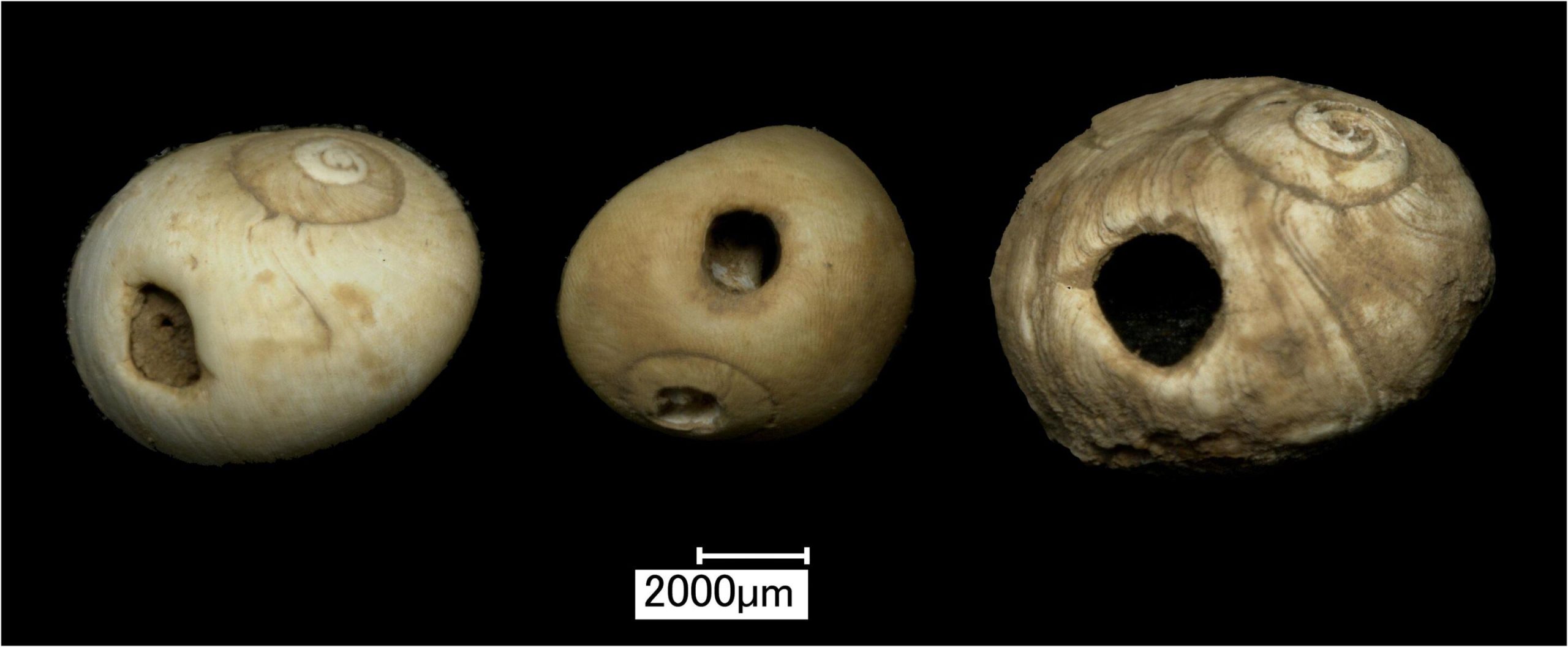
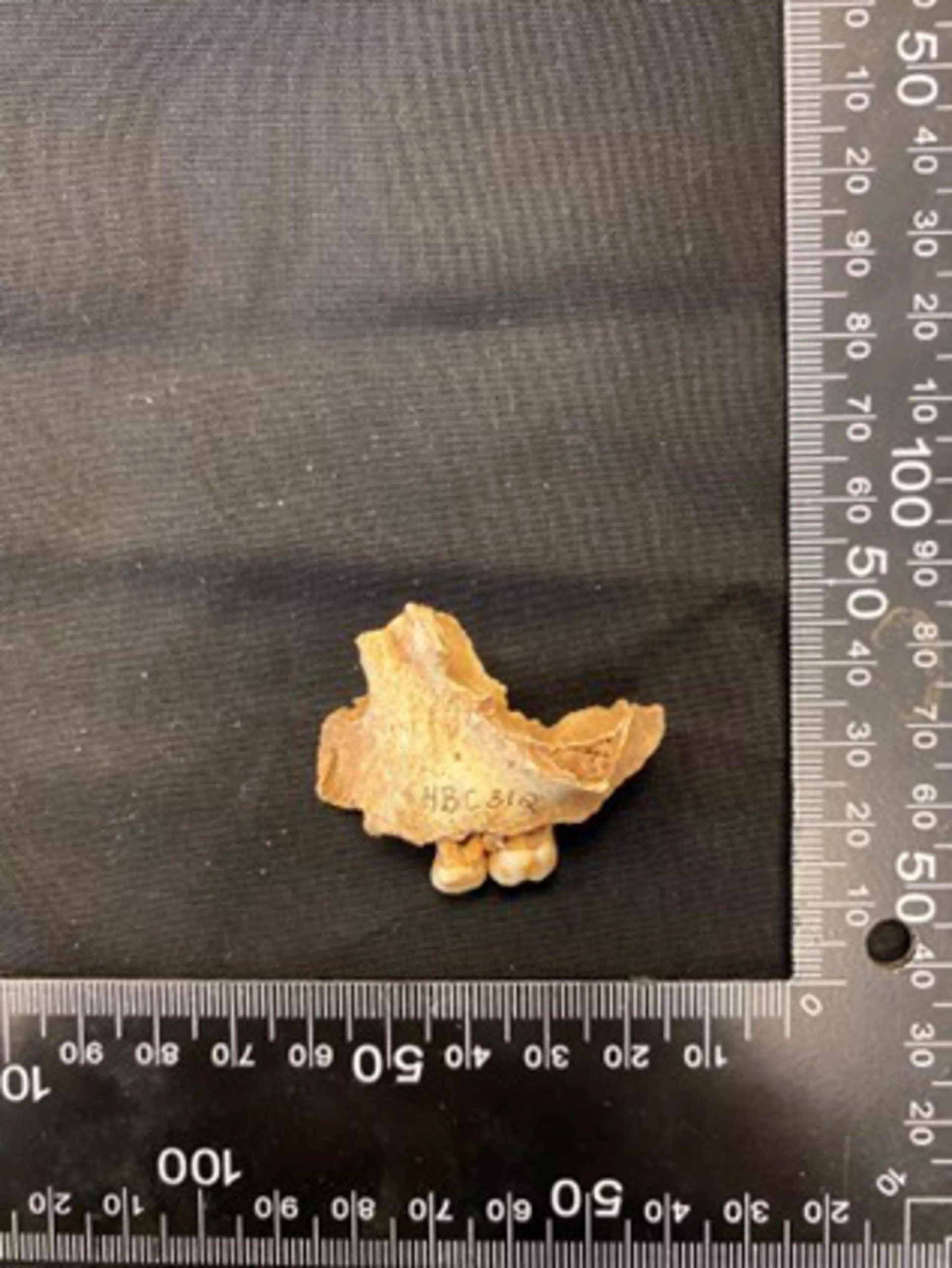
A young girl died in northern England 11,000 years ago, and someone who loved her placed a perforated deer tooth and beads beside her body before laying her to rest in a cave. Eleven millennia later, we know she was between 2.5 and 3.5 years old, and we know she was female—the first time researchers have been able to say this with certainty about remains so ancient from this far north.
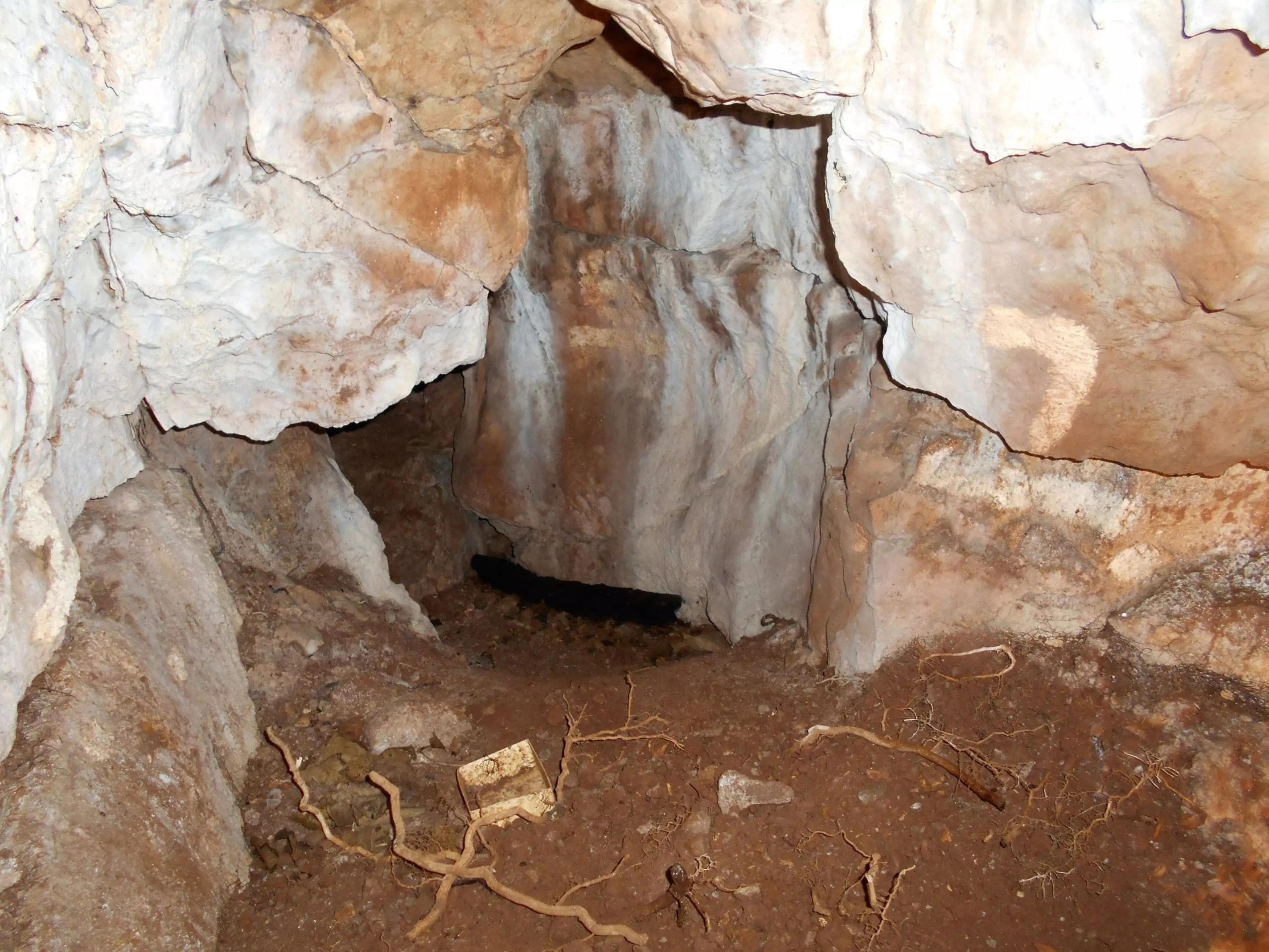
The bones were found at Heaning Wood Bone Cave in Cumbria by local archaeologist Martin Stables, who excavated the site starting in 2016. It took three years and an international research team led by the University of Lancashire to extract and analyze the ancient DNA, but the results confirmed what the burial goods suggested: this was a deliberate, intentional act of mourning and care.
A window into the world after the ice
This discovery matters because ice age glaciation erased most of the archaeological record in northern Britain. Earlier human remains exist from southern England and Wales, but they're vanishingly rare this far north. Before this find, the oldest known burial in the region was from Kent's Bank Cavern, just down the coast—a 10,000-year-old skeleton found in 2013. This girl pushes that back another thousand years.
We're a new kind of news feed.
Regular news is designed to drain you. We're a non-profit built to restore you. Every story we publish is scored for impact, progress, and hope.
Start Your News DetoxStables, who is entirely self-taught, named her the Ossick Lass—simply "Urswick girl" in local dialect. It's a small gesture that ties her to the place she was buried, anchoring an 11,000-year-old child to the landscape her community knew. The radiocarbon dating of the beads and tooth matched the age of the remains exactly, confirming this wasn't a coincidence but a ritual: someone gathered meaningful objects and placed them with her.
Why a cave. Modern hunter-gatherer groups often view caves as gateways to the spirit world, and the Mesolithic people of northern Europe clearly felt something similar. The Ossick Lass wasn't alone in that cave—DNA analysis shows at least eight people were deliberately buried there across three different periods: around 11,000 years ago during the earliest Mesolithic, roughly 5,500 years ago in the Neolithic, and about 4,000 years ago in the Early Bronze Age. The cave became a place of return, a space where people came to honor their dead across thousands of years.
For Stables, the moment of discovery carried its own weight. "I was the first to bear witness to the obviously caring burial of someone's child that occurred over 11,000 years ago," he reflected after the research was published. He's right to sit with that. Across the gulf of eleven thousand years, we can see a parent or community member choosing to mark a child's death with intention. The beads and tooth speak across millennia. The Ossick Lass is no longer anonymous.
The research opens questions about what else lies in that cave, and what other stories the northern landscape might still hold.