For anyone who's ever wondered just how long dogs have been putting up with us, a new study in Nature offers a delightfully ancient answer: at least 14,000 years. That's a good 5,000 years longer than scientists previously believed, which means our canine companions were loyal long before we even figured out indoor plumbing.
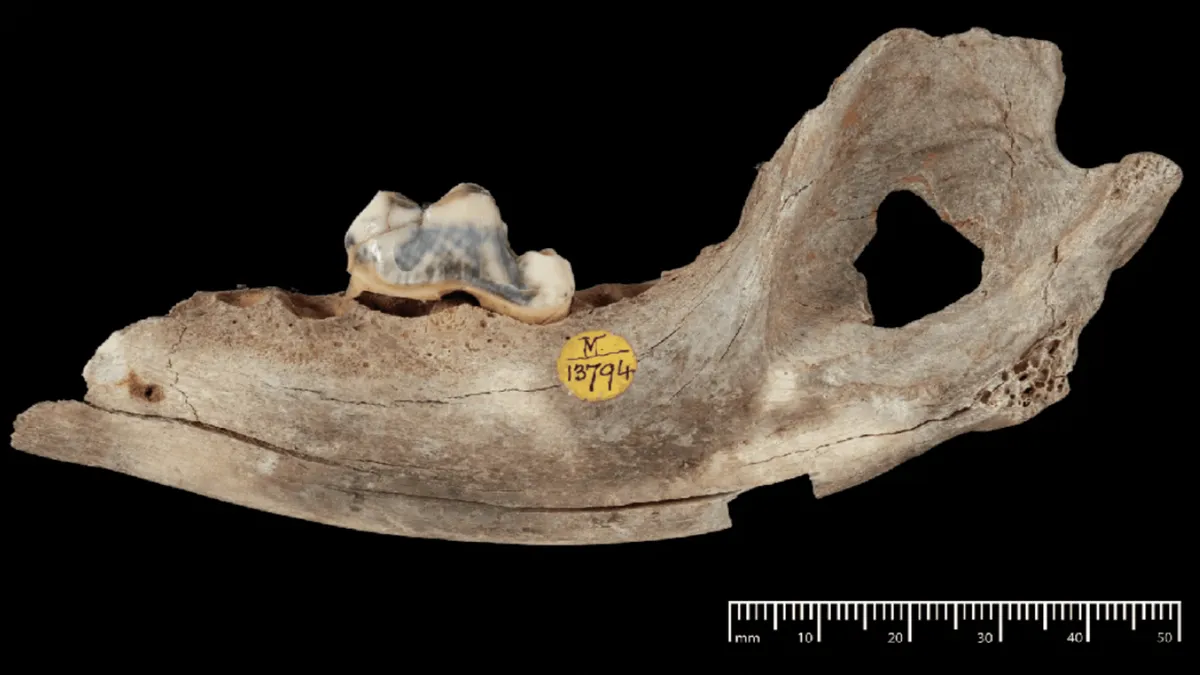
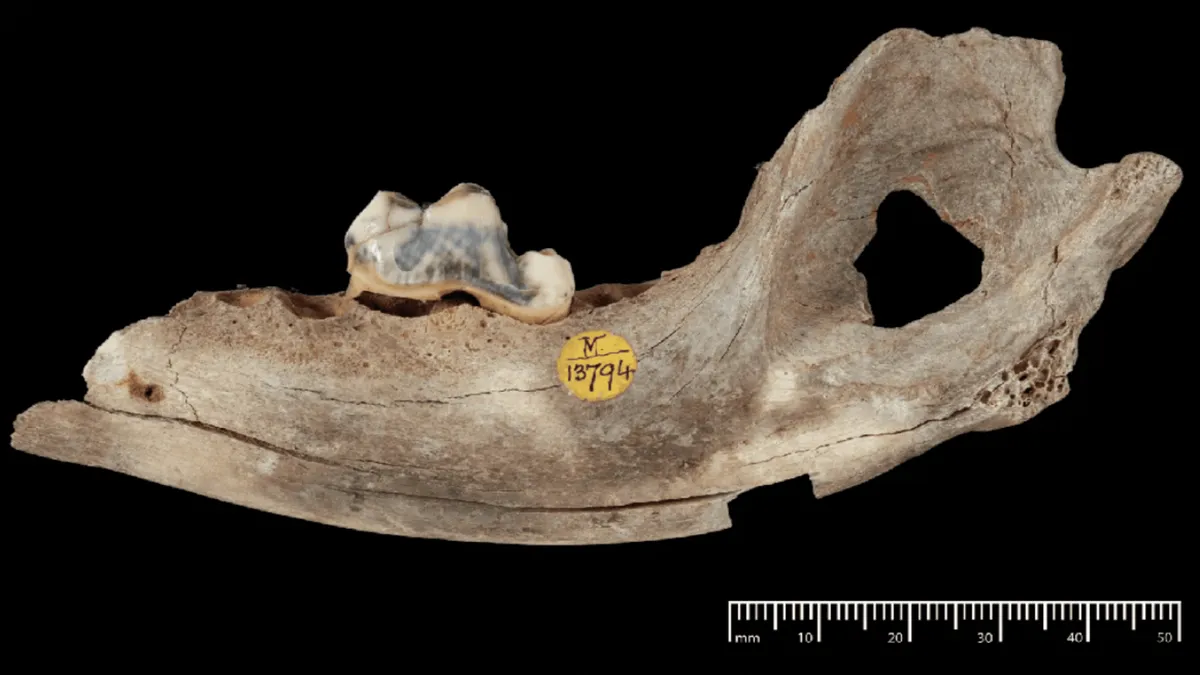
Turns out, while researchers long thought our furry pals evolved from grey wolves during the last Ice Age, newly unearthed dog remains in England and Turkey have pushed that timeline way, way back. Apparently, dogs were already spread across western Eurasia between 18,500 and 14,000 years ago, which is both impressive and a little humbling.
The Original Good Boys
The study dug deep into ancient dog genomes, some of them a staggering 10,000 years old, comparing them to modern breeds. The big takeaway? Dogs branched off from their wolf ancestors much earlier than anticipated, and the human-dog relationship was a tight one right from the get-go. Which, let's be honest, tracks.
We're a new kind of news feed.
Regular news is designed to drain you. We're a non-profit built to restore you. Every story we publish is scored for impact, progress, and hope.
Start Your News DetoxInterestingly, ancient dogs from Gough's Cave in England and Pınarbaşı in Turkey were more genetically similar to each other than to any other dog. This suggests a widespread, ancestral dog population. Today's dogs generally fall into two main groups (eastern and western), and the study found that both modern and ancient western Eurasian dogs share genetic traits with present-day wolves in Syria. So, a little bit of ancient history still wagging around.
One researcher noted this provides "genomic evidence for the presence of genetically similar dogs in the UK, Germany, Italy, Switzerland, and Türkiye during the Late Upper Palaeolithic (between 15,800–14,200 years)." Let that satisfyingly specific number sink in. These ancient doggy roots are still visible in the breeds we cuddle today.
Fish Dinners and Forever Bonds
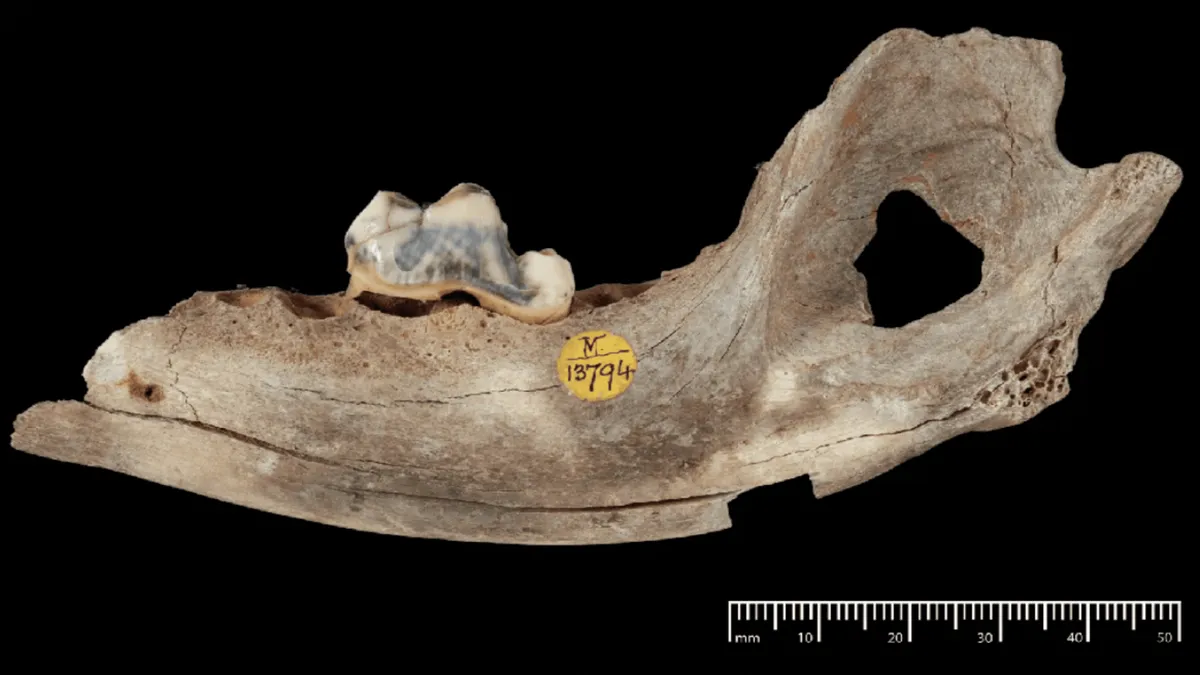
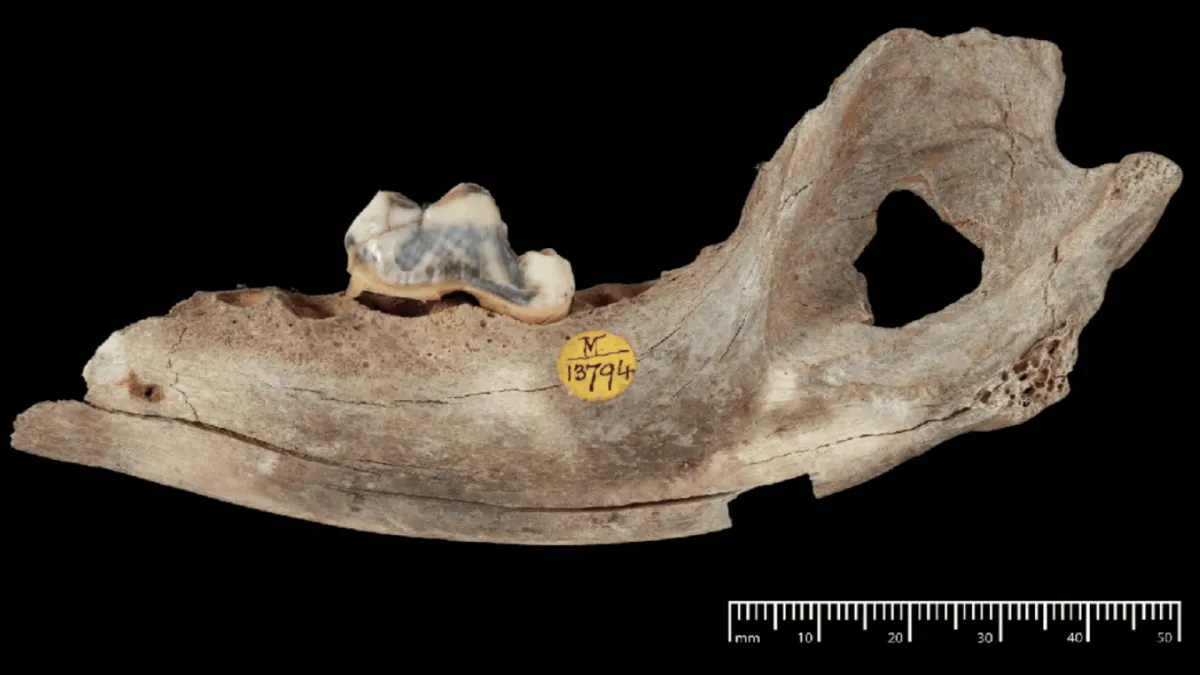
To really understand the depth of this ancient bond, scientists looked at the remains from Gough's Cave and Pınarbaşı. Both human and dog remains showed signs of being handled after death, with some even buried together. Clearly, these weren't just utility animals; they were family. Because apparently that's where we are now, excavating ancient emotional connections.
Further analysis revealed these ancient dogs had a diet heavy in fish, just like the local humans. This strongly suggests that humans were actively feeding their dogs, since, let's face it, dogs aren't exactly known for their deep-sea fishing skills. After the Ice Age, evidence of various dog species popped up across Europe and Turkey in different hunter-gatherer communities.
So, while they may not have had fancy leashes or squeaky toys, the scenes of humans and dogs likely looked remarkably similar to today. A story that began at the end of the Ice Age and continues to this day, one belly rub at a time.