Scientists studying nearly 500 primate species have found something that rewrites how we understand animal behavior: same-sex sexual activity isn't a quirk of evolution. It's a strategy that works.
A comprehensive review published in Nature Ecology and Evolution examined 96 studies documenting same-sex behavior across 491 primate species. The researchers found 59 species engaging in the behavior—mounting, genital contact, and other sexual acts—with 23 species showing it regularly enough to be considered common.
What made this different from earlier observations was the pattern. Same-sex activity happened significantly more often in environments where resources were scarce, predators numerous, and survival uncertain. Species with longer lifespans, pronounced differences between males and females, and stricter social hierarchies also showed higher rates of the behavior. The connection was too consistent to ignore.
We're a new kind of news feed.
Regular news is designed to drain you. We're a non-profit built to restore you. Every story we publish is scored for impact, progress, and hope.
Start Your News Detox"What we found shows that same-sex behavior is not like something bizarre, aberrant or rare. It's everywhere, it's very useful, it's very important," says Vincent Savolainen, an evolutionary biologist at Imperial College London and one of the study's authors.
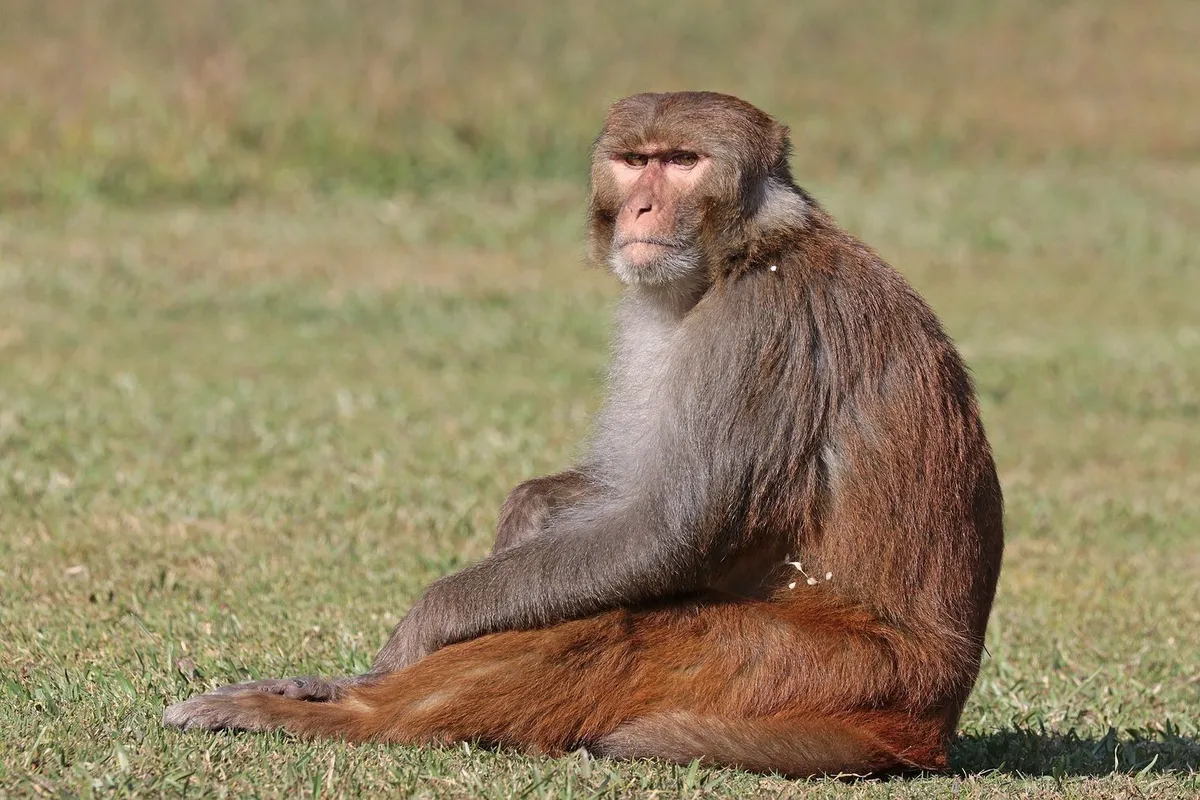
The working theory is straightforward: in complex social groups, same-sex bonds serve as a tool for managing tension, resolving conflict, and cementing alliances that have nothing to do with reproduction. When food is scarce and hierarchies are rigid, the ability to build and maintain these bonds can mean the difference between thriving and struggling. Bonobos, chimpanzees, and macaques—all highly social species living in challenging conditions—use these behaviors as part of their social toolkit.
This isn't new behavior, and it's not rare. Scientists have documented same-sex sexual activity in around 1,500 animal species worldwide, from whales to birds to fish. What's new is understanding that it might be just as important to survival as hunting, parenting, or eating.
Savolainen emphasizes the point: "If you want to understand the behavior of wild, complex animals, you must take into account same-sex behavior. It's, I believe, as important as reproductive sex, looking after kids, fighting, eating and so on."
The research opens doors for studying other behaviors scientists have struggled to explain—mourning rituals, tool use, symbolic communication—through the same lens. Isabelle Winder, an evolutionary anthropologist at Bangor University who wasn't involved in the study, sees the methodology as a potential model for understanding animal cognition more broadly.
One note of caution: the researchers acknowledge that their findings may not directly translate to humans. The pressures shaping human sexuality are distinct—shaped by culture, individual psychology, and social systems that differ fundamentally from those of other primates. Josh Davis, author of A Little Gay Natural History, points out that the reasons behind queer behaviors likely vary across species and shouldn't be flattened into a single evolutionary explanation.
Still, the study suggests something worth sitting with: behaviors that have been misunderstood or dismissed as aberrations might actually be elegant solutions to the problems animals face every day.