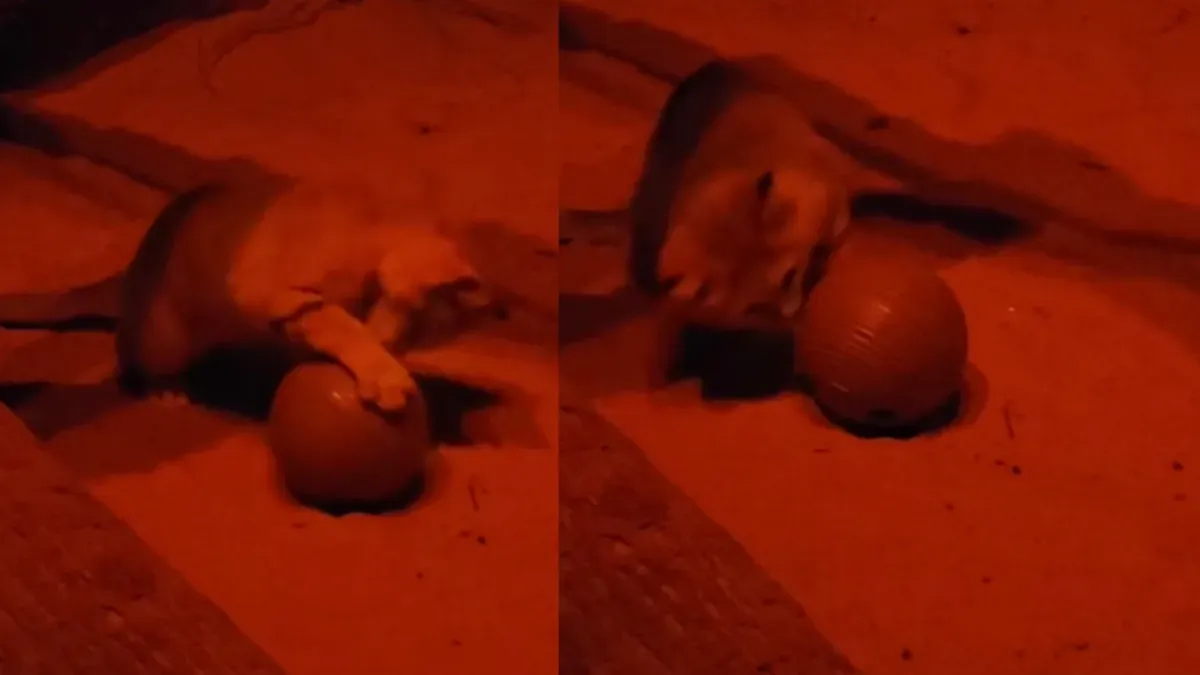
Good news for anyone who thought their pampered housecat was unique in its love for the green stuff: wild desert cats also enjoy a good catnip bender. The Bronx Zoo recently dropped a video proving that even a three-year-old female sand cat, a creature built for the harshest deserts, will happily wrestle a catnip-filled ball into submission.
Sand cats are the undisputed champions of extreme living, the only feline species that truly calls the desert home. We're talking temperatures from a scorching 122 degrees Fahrenheit down to a frosty -13 degrees Fahrenheit. These furry, sand-colored ninjas roam across northern Africa and vast swathes of Asia, minding their own business, apparently until someone breaks out the good stuff.
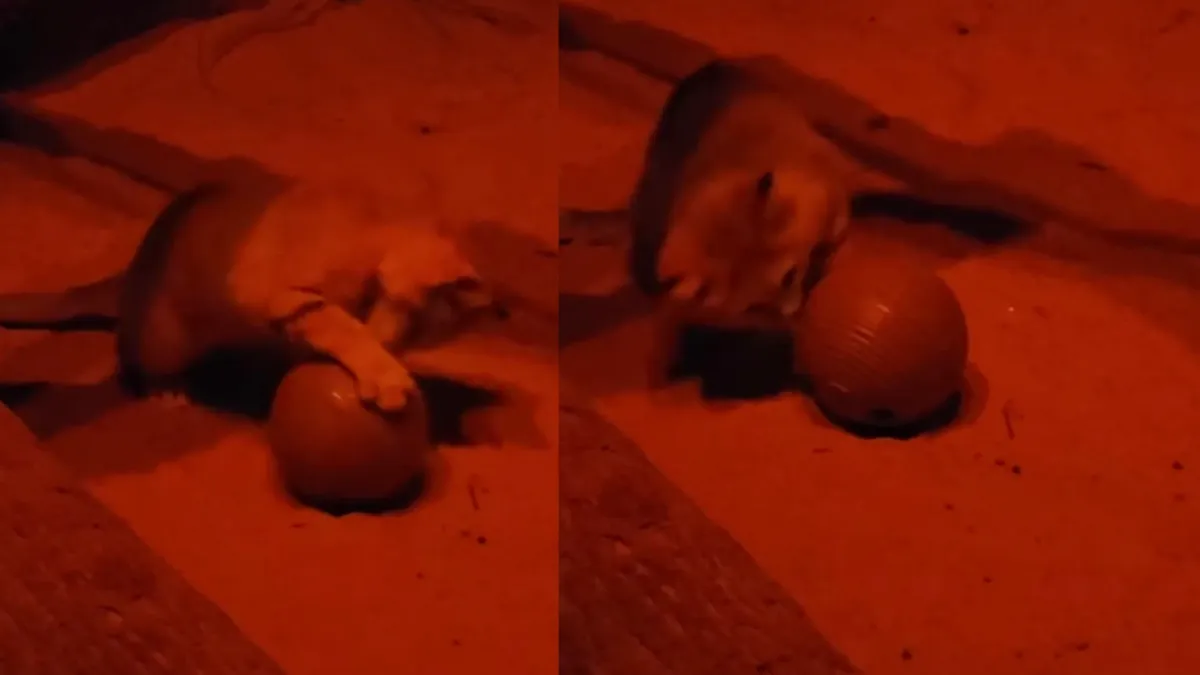
Zoo keepers, ever the innovators, use catnip to keep these desert dwellers mentally stimulated and active. It's enrichment, but with a kick. Catnip, for the uninitiated, contains a chemical called nepetalactone. This chemical usually serves as nature's bug spray, warding off insects. For a significant portion of the feline population, however, it's basically kitty crack. And yes, it's perfectly safe.
We're a new kind of news feed.
Regular news is designed to drain you. We're a non-profit built to restore you. Every story we publish is scored for impact, progress, and hope.
Start Your News DetoxThe Universal Allure of Nepetalactone
Catnip, a proud member of the mint family, doesn't hit every cat the same way. Jessica Moody, a curator at the Wildlife Conservation Society, points out that age and sex can play a role in how a cat responds. But for many, it's an irresistible call to action. Animal keepers at the Bronx Zoo leverage catnip and other scents to encourage natural behaviors like exploring and playing, which, let's be honest, looks a lot like pure, unadulterated joy in the sand cat's case.
While sand cats are currently listed as a species of "least concern" by the IUCN Red List, tracking their numbers in the wild is about as easy as finding a needle in a sand dune. Low population density and their chosen, rather unforgiving habitat make solid data hard to come by.

Moody notes that habitat loss and dwindling prey, largely due to human activities like livestock grazing, are the biggest threats to these adorable desert dwellers. So, while they're out there enjoying their catnip-fueled escapades, their world is still shrinking. All the more reason to appreciate a moment of pure, unadulterated feline bliss.