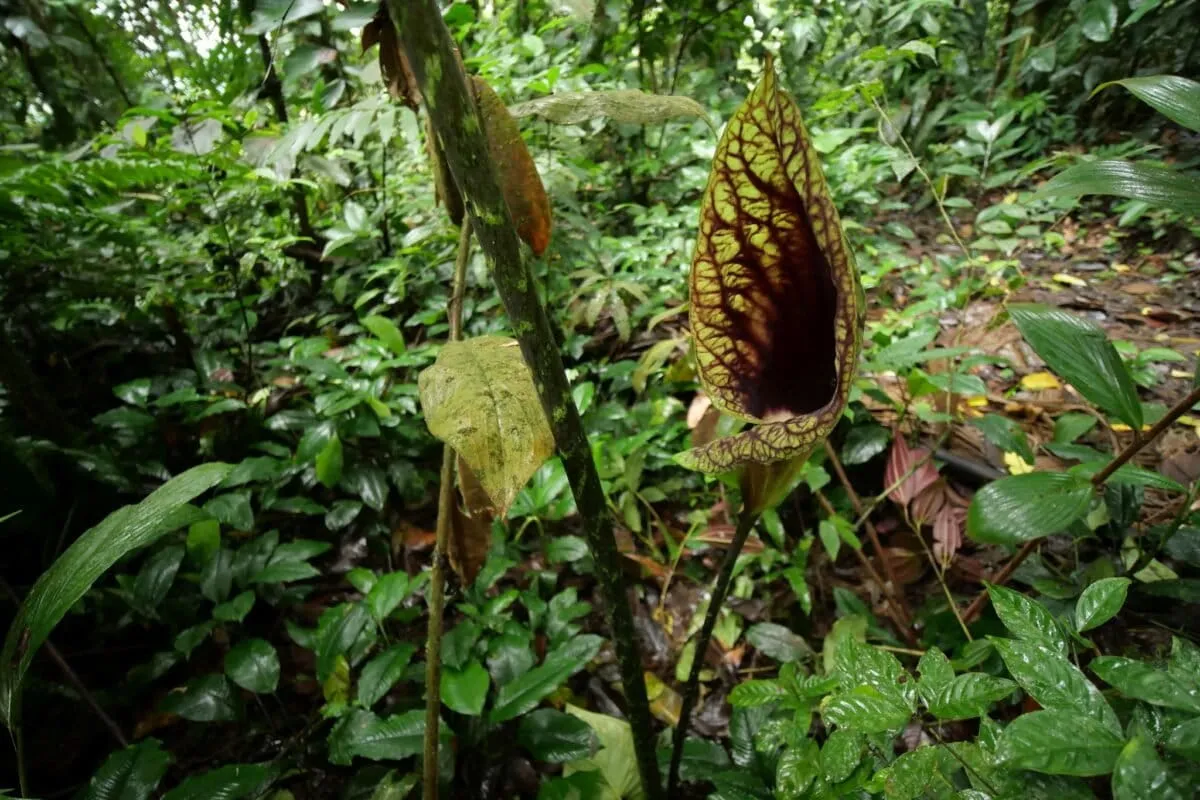
Back in 1991, two botanists, Calaway Dodson and Alwyn Gentry, dropped a bombshell. They'd been studying a deforested ridge in western Ecuador called Centinela. Their conclusion? Many plant species found only there had vanished along with the trees, an idea they dubbed the "Centinelan extinction hypothesis." It painted a stark picture: clear a patch of forest, and poof, an entire species could be gone. Just like that.
It was a powerful, if terrifying, concept, especially for tropical forests teeming with rare, poorly documented life. But it also brought up an awkward question: if no one's recorded it, does it really exist? Or, more accurately, if we haven't seen it, is it truly gone?

Fast forward to 2024, and a new study in Nature Plants decided to revisit Centinela. Armed with decades of fresh data — herbarium records, scientific literature, expert insights, and actual boots-on-the-ground surveys — they set out to take a second look at the site's botanical guest list.
We're a new kind of news feed.
Regular news is designed to drain you. We're a non-profit built to restore you. Every story we publish is scored for impact, progress, and hope.
Start Your News DetoxAnd the results? Well, they're a bit of a plot twist. Almost all the species once considered Centinela's exclusive residents have been found elsewhere. Of the 98 species previously thought to be endemic to that tiny ridge, a staggering 99% are now known to exist in other locations. Turns out, many of those "extinct" plants weren't gone; we just hadn't bothered to look for them in the right places yet. Which, if you think about it, is both a relief and a rather pointed observation about our data collection.