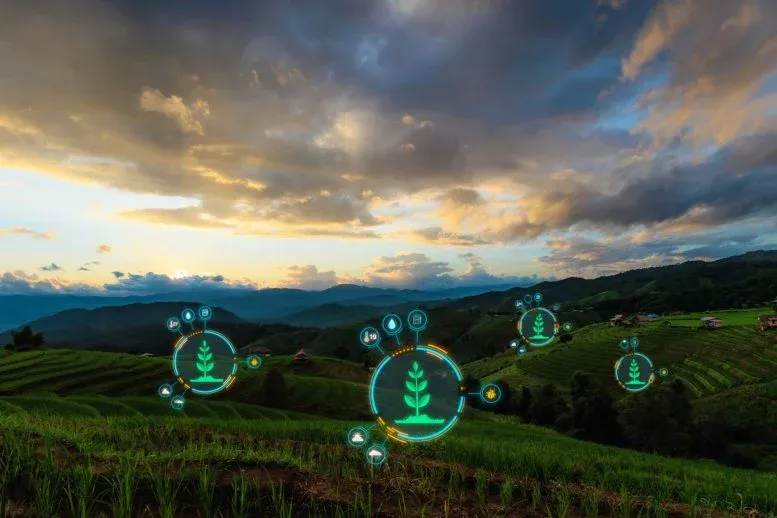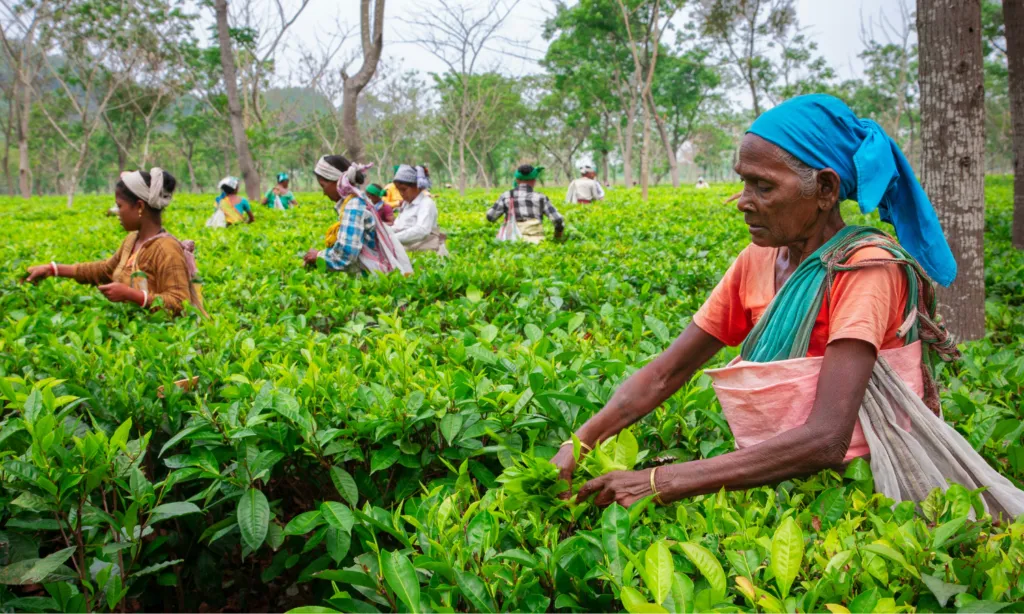
Imagine a way of farming that actually makes crops grow more, costs farmers less, and is good for the planet. That's exactly what agroecology is doing, and it's pretty wild.
Turns out, farms using this approach are seeing their crop yields jump by an average of 11%. Even cooler? Farmers' incomes are soaring by nearly 50% because they're spending way less on expensive chemicals and supplies. That's like getting a massive raise just by working smarter with nature.
What's the secret?
Agroecology isn't just one thing. Think of it as three powerful ideas working together.
We're a new kind of news feed.
Regular news is designed to drain you. We're a non-profit built to restore you. Every story we publish is scored for impact, progress, and hope.
Start Your News DetoxFirst, it's a science. It looks at how everything on a farm — the plants, the soil, the animals, and even the people — all connect. By understanding these natural interactions, farmers can design systems that practically run themselves.
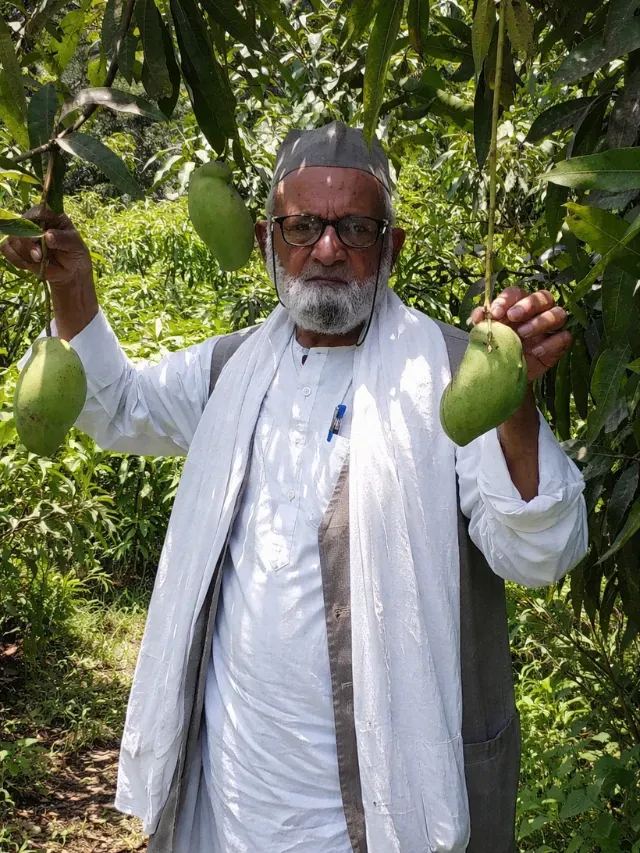
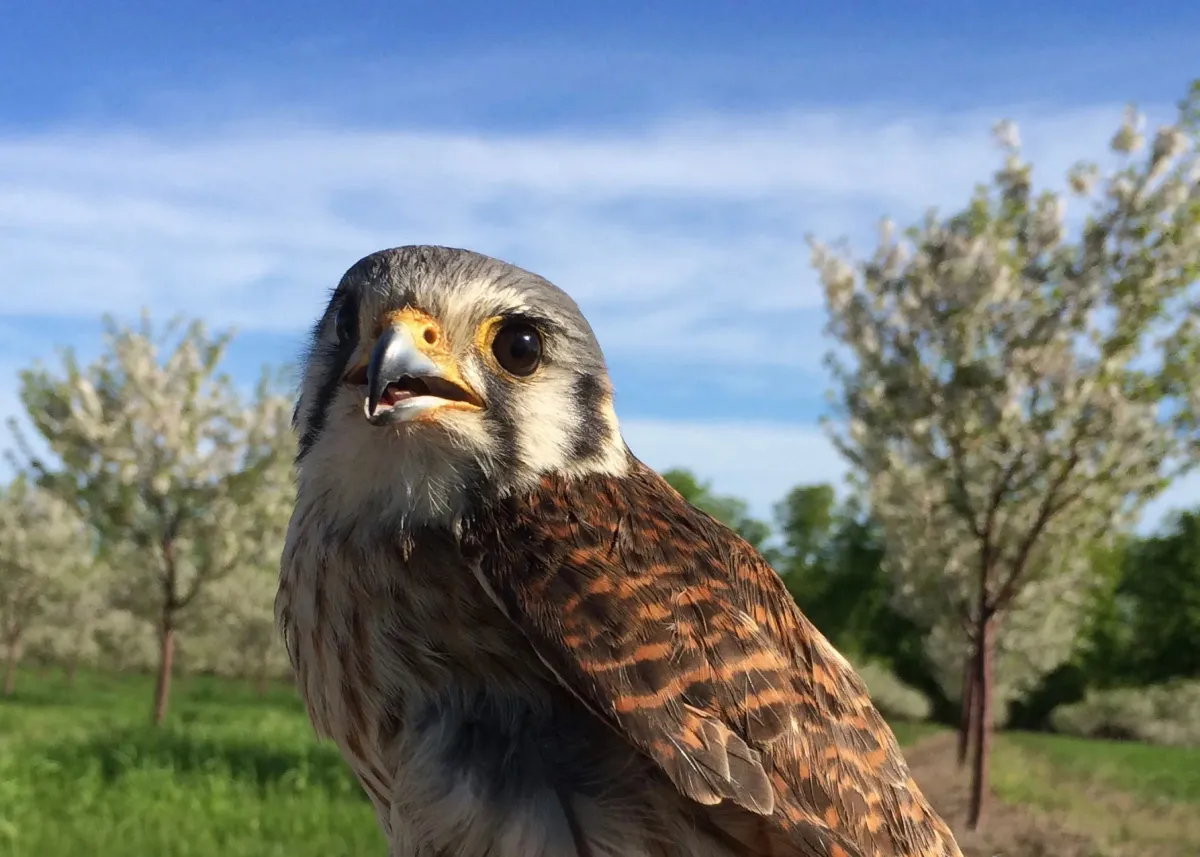
Second, it's a set of practices. Instead of fighting nature with artificial stuff, agroecology works with it. This means using natural processes to keep farms healthy, like encouraging good bugs to eat bad bugs, instead of spraying pesticides. It's about letting nature do the heavy lifting.
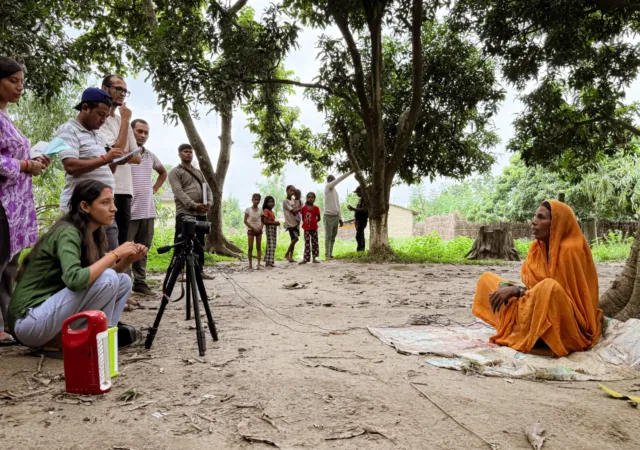
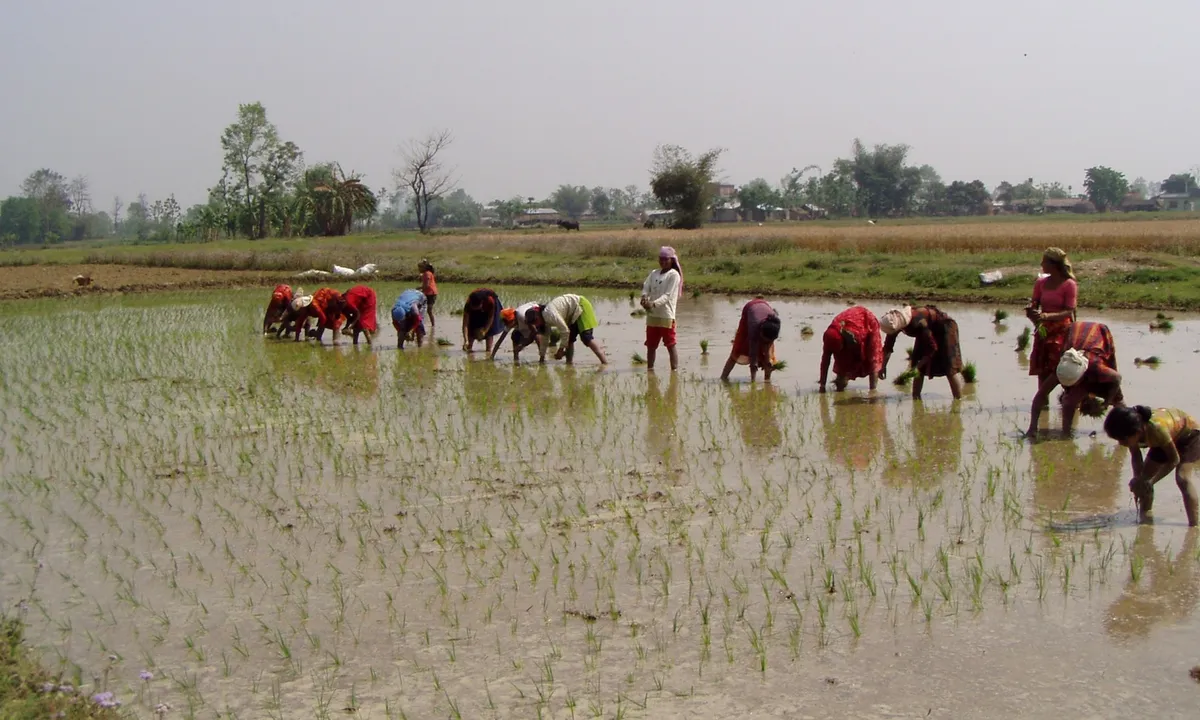
Third, it's a social movement. This part is all about building strong local food systems. Think farmers' markets, but on a bigger scale. It helps rural towns thrive, supports small farmers, and even protects the ancient wisdom of Indigenous communities about seeds and animals.
Million Belay from the Alliance for Food Sovereignty in Africa puts it simply: community is key, especially with a changing climate. He says, "You can mobilize together. You can help each other." It’s about neighbors helping neighbors.
Why it matters
This isn't just about bigger harvests. Farmers using agroecology reported 33% fewer sick days. That means less exposure to harmful chemicals and healthier lives for the people growing our food. Plus, these farms boost biodiversity — meaning more different kinds of plants and animals thrive, which is crucial for a healthy planet.

This smart way of farming isn't new; it has roots in Indigenous food systems and has been scientifically studied since the mid-1900s. Now, big players like the U.N. Food and Agriculture Organization (FAO) are getting behind it.
The FAO even has a framework called the Ten Elements of Agroecology to help countries adopt these practices. They see it as a major tool in fighting climate change, protecting nature, and reducing poverty worldwide. It’s a win-win-win, and it's happening right now.