Tribal Nations Assert Food Sovereignty
Only a handful of the 574 federally recognized tribes in the U.S. have formal agriculture departments. That's about to change.
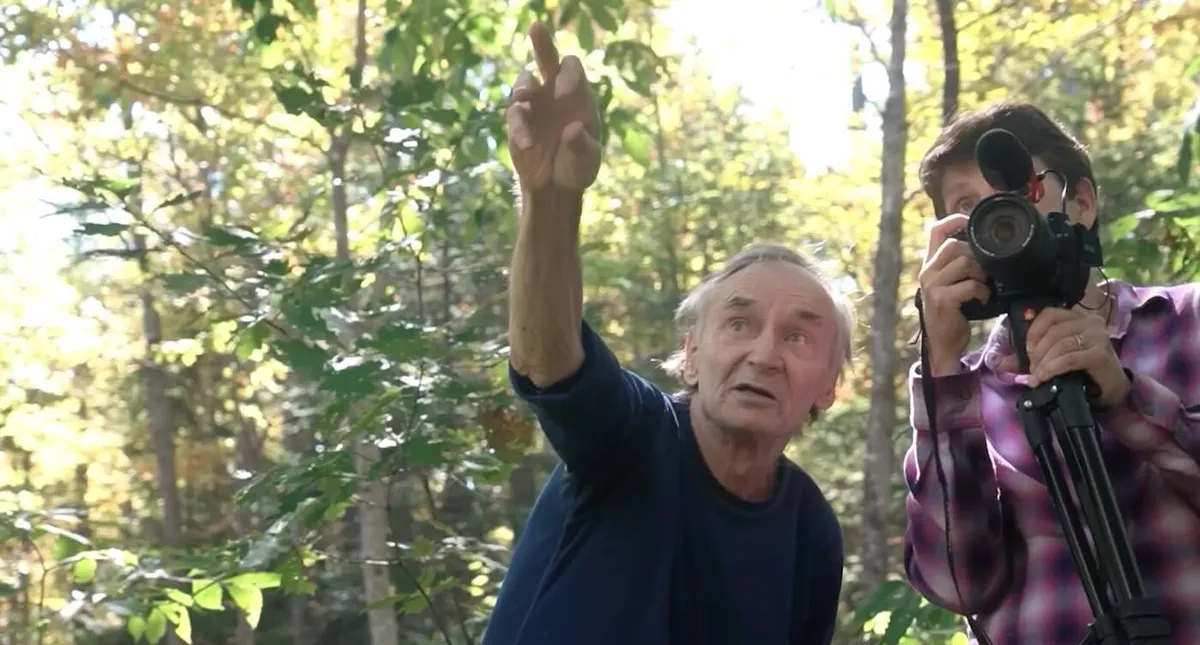
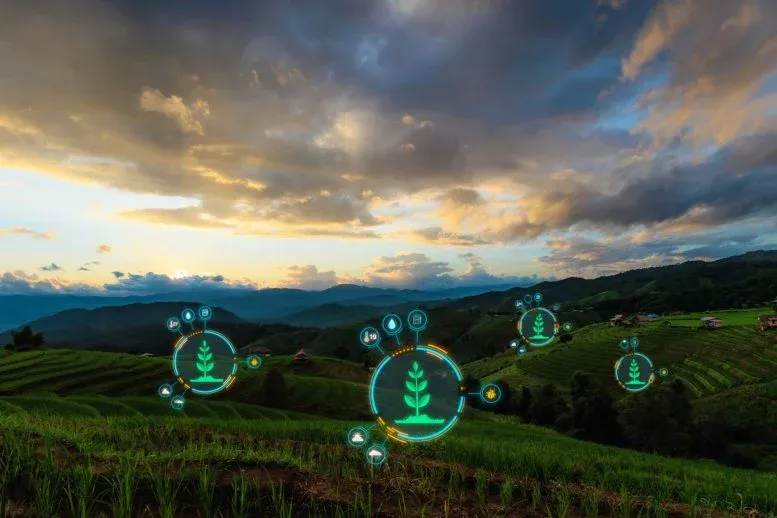
Tribal nations are moving to establish dedicated departments of agriculture—not as a bureaucratic exercise, but as an act of sovereignty. They already have the legal authority to regulate food safety, land use, and public health. What they're doing now is making that power visible and operational. The Native American Agriculture Fund and the Indigenous Food and Agriculture Initiative are pushing tribes to occupy this space deliberately, before default authority lands elsewhere.
The Oneida Nation offers a template. They adopted a food sovereignty policy and built self-regulation to support local food enterprises. "It's such a great example of exercising tribal sovereignty and self-regulation," says Vanessa Miller, food and agriculture area manager for the Oneida Nation. That's not abstract—it means tribes controlling what gets grown, how it's distributed, who benefits from the income, and what reaches their tables.
We're a new kind of news feed.
Regular news is designed to drain you. We're a non-profit built to restore you. Every story we publish is scored for impact, progress, and hope.
Start Your News DetoxLast year, the National Congress of American Indians passed a resolution backing the establishment of Tribal Departments of Agriculture. The framing matters. As NCAI President Mark Macarro put it, these departments help tribes "steward their lands, support their people, and ensure agriculture leads to healthy food on tables, income for producers, and futures for our next generation." Kelli Case, senior attorney with the Indigenous Food and Agriculture Initiative, distills it further: "Tribes cannot be truly sovereign unless they can feed themselves."
It's a quiet reclamation—not dramatic, but foundational. When a nation controls its own food system, it controls its future.
Chile's Wildfires Expand
Chile isn't having more fires than usual. It's having fires that burn three times the normal area.
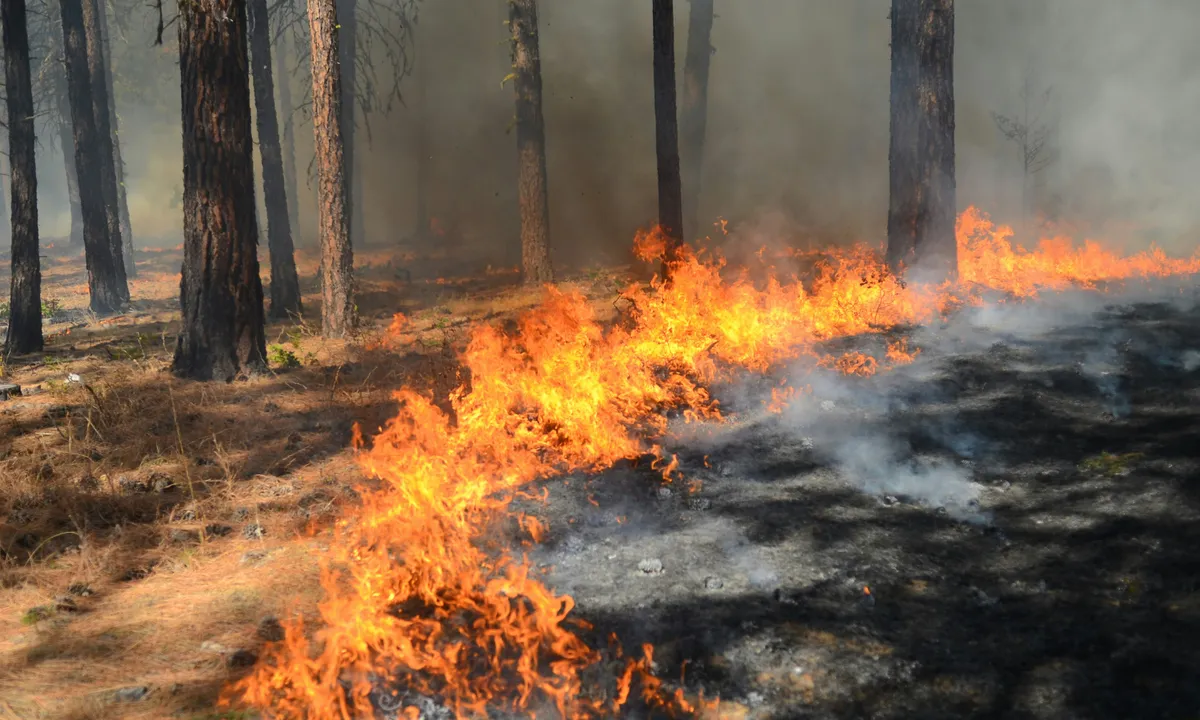
Central and southern Chile are in the grip of a wildfire season that defies the typical pattern. The number of fires sits within historical ranges, but the intensity and scale are unprecedented. Recent blazes have killed at least 20 people, forced around 50,000 to evacuate, destroyed at least 325 homes, and scorched tens of thousands of hectares. "We are living in a particularly critical situation that is very far from the usual averages," says Miguel Castillo, director of the Forest Fire Engineering Laboratory at the University of Chile.
The culprits are familiar but converging: high summer temperatures, prolonged drought, strong winds, and shifting land-use patterns that leave fuel for flames to travel. Climate change is rewriting the rules of fire behavior—not by creating more ignitions, but by making the conditions for catastrophic spread nearly inevitable once a fire starts.
Preventing the next disaster will require a different approach entirely. Virginia Iglesias, director of Earth Lab at the University of Colorado Boulder, points to four fronts: reducing ignitions, managing fuels, addressing climate change itself, and redesigning communities so they're less vulnerable when fire comes. It's not a single solution. It's a system redesign.
Ethiopia Faces Deepening Hunger
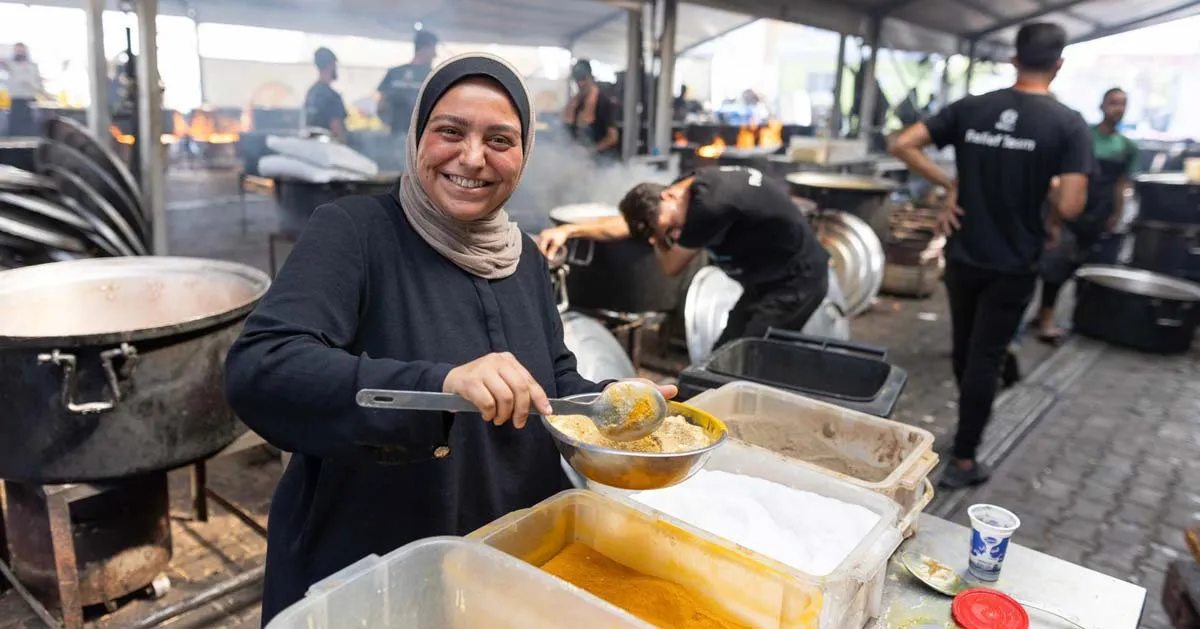
When the U.S. suspended food assistance to Ethiopia in 2023, it cut off aid that had been flowing at over US$1 billion annually—more than any other sub-Saharan African nation received. The consequences are now visible in the numbers.
Over 2 million people missed food distributions in 2025. An estimated 3.6 million more could lose access without immediate funding increases. Around 650,000 women and children face losing malnutrition treatment. In Tigray, where an estimated 80 percent of the population already requires emergency support, the cuts have been devastating.
The region was already fractured. Years of civil conflict have displaced people, disrupted daily life, and hollowed out health services and food systems. Drought compounds the strain. Aid cuts didn't create the crisis—but they tipped a precarious situation into emergency.
The U.S. has announced a partial resumption of assistance, but it's moving slowly. "It's like pouring a glass of water in a lake," says camp coordinator Abraha Mebrathu. On the ground near the Eritrean border, the math is brutal. "It's not conflicts that will ultimately kill us, but famine," says resident Niyreao Wubet.
Funding alone won't solve what conflict and climate have broken. But without it, the breakdown accelerates.