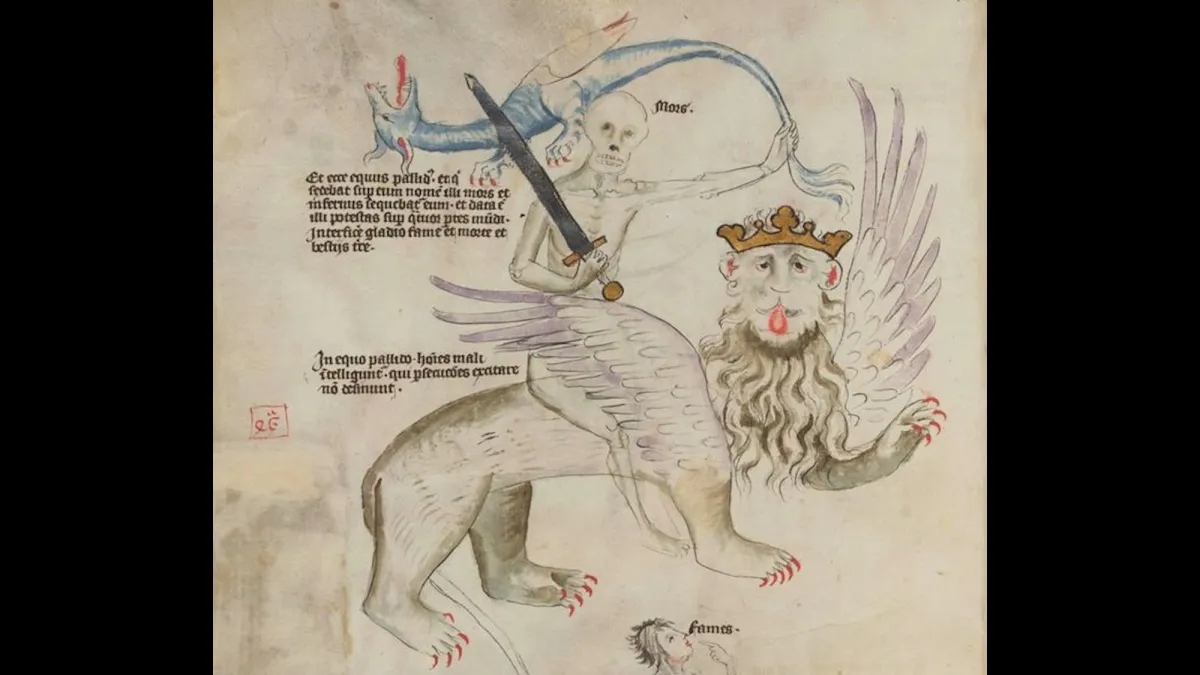
From Plague Pits to Pastoral Peace: Unearthing Erfurt's Lost Mass Graves

Beneath the soil of central Germany lie the mass graves of 12,000 plague victims, their stories long forgotten. But now, an archaeological team is unearthing the secrets of this devastating outbreak.

1 min read
Erfurt, Germany
7 views✓ Verified Source
Share

Why it matters: This discovery helps preserve the history and memory of the devastating plague that swept through Erfurt, providing closure and a sense of dignity for the victims and their descendants.

The Black Death (caused by the bacterium Yersinia pestis) devastated Europe between 1346 and 1353, killing as much as half the continent's total population. Contemporary accounts from Thuringia, a state in central Germany, report that around 12,000 plague victims died in the city of Erfurt during the 1350 outbreak.

Despite multiple historical records attesting to this staggering loss of life, the locations of Erfurt's 11 mass graves remained unknown for centuries. Now, an archaeological team from Leipzig University believes they have finally pinpointed one of these infamous burial sites.

According to their study published in the journal PLOS One, the team used a process called electrical resistivity mapping to identify a disturbed subsurface area near the deserted medieval village of Neuses. Subsequent core samples revealed mixed geologic materials and human remains dating back to the 14th century, strongly suggesting the presence of a medieval mass grave.

Wait—What is Brightcast?

We're a new kind of news feed.

Regular news is designed to drain you. We're a non-profit built to restore you. Every story we publish is scored for impact, progress, and hope.

Start Your News Detox

The researchers note that the grave's location in a drier, more isolated area aligns with both modern soil science and the medieval "miasma theory" that diseases spread through "bad air" and "vapors" from decaying matter. Rather than interring victims in the fertile soils closer to the town, the residents of Neuses likely opted to place them in the drier conditions near a valley edge.

While an actual excavation is still needed to confirm the findings, the team's novel approach paves the way for additional searches of plague-era mass graves across Europe. They believe similar geophysical techniques could be applied to uncover the resting places of many more victims from this devastating pandemic.

![Aerial view of the suspected mass grave site near Neuses](https://www.popsci.com/resizer/Ky-Ue-Rl-Ks-Xt-Ov-Wr-Qs-Qs-Qs-Qs-Qs-Qs-Qs-Qs-Qs-Qs-Qs-Qs-Qs-Qs-Qs-Qs-Qs-Qs-Qs-Qs-Qs-Qs-Qs-Qs-Qs-Qs-Qs-Qs-Qs-Qs-Qs-Qs-Qs-Qs-Qs-Qs-Qs-Qs-Qs-Qs-Qs-Qs-Qs-Qs-Qs-Qs-Qs-Qs-Qs-Qs-Qs-Qs-Qs-Qs-Qs-Qs-Qs-Qs-Qs-Qs-Qs-Qs-Qs-Qs-Qs-Qs-Qs-Qs-Qs-Qs-Qs-Qs-Qs-Qs-Qs-Qs-Qs-Qs-Qs-Qs-Qs-Qs-Qs-Qs-Qs-Qs-Qs-Qs-Qs-Qs-Qs-Qs-Qs-Qs-Qs-Qs-Qs-Qs-Qs-Qs-Qs-Qs-Qs-Qs-Qs-Qs-Qs-Qs-Qs-Qs-Qs-Qs-Qs-Qs-Qs-Qs-Qs-Qs-Qs-Qs-Qs-Qs-Qs-Qs-Qs-Qs-Qs-Qs-Qs-Qs-Qs-Qs-Qs-Qs-Qs-Qs-Qs-Qs-Qs-Qs-Qs-Qs-Qs-Qs-Qs-Qs-Qs-Qs-Qs-Qs-Qs-Qs-Qs-Qs-Qs-Qs-Qs-Qs-Qs-Qs-Qs-Qs-Qs-Qs-Qs-Qs-Qs-Qs-Qs-Qs-Qs-Qs-Qs-Qs-Qs-Qs-Qs-Qs-Qs-Qs-Qs-Qs-Qs-Qs-Qs-Qs-Qs-Qs-Qs-Qs-Qs-Qs-Qs-Qs-Qs-Qs-Qs-Qs-Qs-Qs-Qs-Qs-Qs-Qs-Qs-Qs-Qs-Qs-Qs-Qs-Qs-Qs-Qs-Qs-Qs-Qs-Qs-Qs-Qs-Qs-Qs-Qs-Qs-Qs-Qs-Qs-Qs-Qs-Qs-Qs-Qs-Qs-Qs-Qs-Qs-Qs-Qs-Qs-Qs-Qs-Qs-Qs-Qs-Qs-Qs-Qs-Qs-Qs-Qs-Qs-Qs-Qs-Qs-Qs-Qs-Qs-Qs-Qs-Qs-Qs-Qs-Qs-Qs-Qs-Qs-Qs-Qs-Qs-Qs-Qs-Qs-Qs-Qs-Qs-Qs-Qs-Qs-Qs-Qs-Qs-Qs-Qs-Qs-Qs-Qs-Qs-Qs-Qs-Qs-Qs-Qs-Qs-Qs-Qs-Qs-Qs-Qs-Qs-Qs-Qs-Qs-Qs-Qs-Qs-Qs-Qs-Qs-Qs-Qs-Qs-Qs-Qs-Qs-Qs-Qs-Qs-Qs-Qs-Qs-Qs-Qs-Qs-Qs-Qs-Qs-Qs-Qs-Qs-Qs-Qs-Qs-Qs-Qs-Qs-Qs-Qs-Qs-Qs-Qs-Qs-Qs-Qs-Qs-Qs-Qs-Qs-Qs-Qs-Qs-Qs-Qs-Qs-Qs-Qs-Qs-Qs-Qs-Qs-Qs-Qs-Qs-Qs-Qs-Qs-Qs-Qs-Qs-Qs-Qs-Qs-Qs-Qs-Qs-Qs-Qs-Qs-Qs-Qs-Qs-Qs-Qs-Qs-Qs-Qs-Qs-Qs-Qs-Qs-Qs-Qs-Qs-Qs-Qs-Qs-Qs-Qs-Qs-Qs-Qs-Qs-Qs-Qs-Qs-Qs-Qs-Qs-Qs-Qs-Qs-Qs-Qs-Qs-Qs-Qs-Qs-Qs-Qs-Qs-Qs-Qs-Qs-Qs-Qs-Qs-Qs-Qs-Qs-Qs-Qs-Qs-Qs-Qs-Qs-Qs-Qs-Qs-Qs-Qs-Qs-Qs-Qs-Qs-Qs-Qs-Qs-Qs-Qs-Qs-Qs-Qs-Qs-Qs-Qs-Qs-Qs-Qs-Qs-Qs-Qs-Qs-Qs-Qs-Qs-Qs-Qs-Qs-Qs-Qs-Qs-Qs-Qs-Qs-Qs-Qs-Qs-Qs-Qs-Qs-Qs-Qs-Qs-Qs-Qs-Qs-Qs-Qs-Qs-Qs-Qs-Qs-Qs-Qs-Qs-Qs-Qs-Qs-Qs-Qs-Qs-Qs-Qs-Qs-Qs-Qs-Qs-Qs-Qs-Qs-Qs-Qs-Qs-Qs-Qs-Qs-Qs-Qs-Qs-Qs-Qs-Qs-Qs-Qs-Qs-Qs-Qs-Qs-Qs-Qs-Qs-Qs-Qs-Qs-Qs-Qs-Qs-Qs-Qs-Qs-Qs-Qs-Qs-Qs-Qs-Qs-Qs-Qs-Qs-Qs-Qs-Qs-Qs-Qs-Qs-Qs-Qs-Qs-Qs-Qs-Qs-Qs-Qs-Qs-Qs-Qs-Qs-Qs-Qs-Qs-Qs-Qs-Qs-Qs-Qs-Qs-Qs-Qs-Qs-Qs-Qs-Qs-Qs-Qs-Qs-Qs-Qs-Qs-Qs-Qs-Qs-Qs-Qs-Qs-Qs-Qs-Qs-Qs-Qs-Qs-Qs-Qs-Qs-Qs-Qs-Qs-Qs-Qs-Qs-Qs-Qs-Qs-Qs-Qs-Qs-Qs-Qs-Qs-Qs-Qs-Qs-Qs-Qs-Qs-Qs-Qs-Qs-Qs-Qs-Qs-Qs-Qs-Qs-Qs-Qs-Qs-Qs-Qs-Qs-Qs-Qs-Qs-Qs-Qs-Qs-Qs-Qs-Qs-Qs-Qs-Qs-Qs-Qs-Qs-Qs-Qs-Qs-Qs-Qs-Qs-Qs-Qs-Qs-Qs-Qs-Qs-Qs-Qs-Qs-Qs-Qs-Qs-Qs-Qs-Qs-Qs-Qs-Qs-Qs-Qs-Qs-Qs-Qs-Qs-Qs-Qs-Qs-Qs-Qs-Qs-Qs-Qs-Qs-Qs-Qs-Qs-Qs-Qs-Qs-Qs-Qs-Qs-Qs-Qs-Qs-Qs-Qs-Qs-Qs-Qs-Qs-Qs-Qs-Qs-Qs-Qs-Qs-Qs-Qs-Qs-Qs-Qs-Qs-Qs-Qs-Qs-Qs-Qs-Qs-Qs-Qs-Qs-Qs-Qs-Qs-Qs-Qs-Qs-Qs-Qs-Qs-Qs-Qs-Qs-Qs-Qs-Qs-Qs-Qs-Qs-Qs-Qs-Qs-Qs-Qs-Qs-Qs-Qs-Qs-Qs-Qs-Qs-Qs-Qs-Qs-Qs-Qs-Qs-Qs-Qs-Qs-Qs-Qs-Qs-Qs-Qs-Qs-Qs-Qs-Qs-Qs-Qs-Qs-Qs-Qs-Qs-Qs-Qs-Qs-Qs-Qs-Qs-Qs-Qs-Qs-Qs-Qs-Qs-Qs-Qs-Qs-Qs-Qs-Qs-Qs-Qs-Qs-Qs-Qs-Qs-Qs-Qs-Qs-Qs-Qs-Qs-Qs-Qs-Qs-Qs-Qs-Qs-Qs-Qs-Qs-Qs-Qs-Qs-Qs-Qs-Qs-Qs-Qs-Qs-Qs-Qs-Qs-Qs-Qs-Qs-Qs-Qs-Qs-Qs-Qs-Qs-Qs-Qs-Qs-Qs-Qs-Qs-Qs-Qs-Qs-Qs-Qs-Qs-Qs-Qs-Qs-Qs-Qs-Qs-Qs-Qs-Qs-Qs-Qs-Qs-Qs-Qs-Qs-Qs-Qs-Qs-Qs-Qs-Qs-Qs-Qs-Qs-Qs-Qs-Qs-Qs-Qs-Qs-Qs-Qs-Qs-Qs-Qs-Qs-Qs-Qs-Qs-Qs-Qs-Qs-Qs-Qs-Qs-Qs-Qs-Qs-Qs-Qs-Qs-Qs-Qs-Qs-Qs-Qs-Qs-

54
ModerateLocal or limited impact

Brightcast Impact Score

This article provides evidence of a newly discovered mass grave from the Black Death pandemic in Germany, which is a notable historical finding. However, the impact is limited to the specific site and does not represent a broader solution or progress. The article is well-researched and verified through multiple expert sources.


15

Hope

Moderate

16

Reach

Solid

23

Verified

Strong

Wall of Hope

0/50

Be the first to share how this story made you feel

How does this make you feel?

1
2
3
4
5
6
7
8
9
10
11
12
13
14
15
16
17
18
19
20
21
22
23
24
25
26
27
28
29
30
31
32
33
34
35
36
37
38
39
40
41
42
43
44
45
46
47
48
49
50

Connected Progress

Drop in your group chat

Apparently, archaeologists believe they've found one of Erfurt's mass graves from the Black Death, which killed up to 12,000 people there in 1350. www.brightcast.news

Share

Originally reported by Popular Science · Verified by Brightcast

Get weekly positive news in your inbox

No spam. Unsubscribe anytime. Join thousands who start their week with hope.

More stories that restore faith in humanity