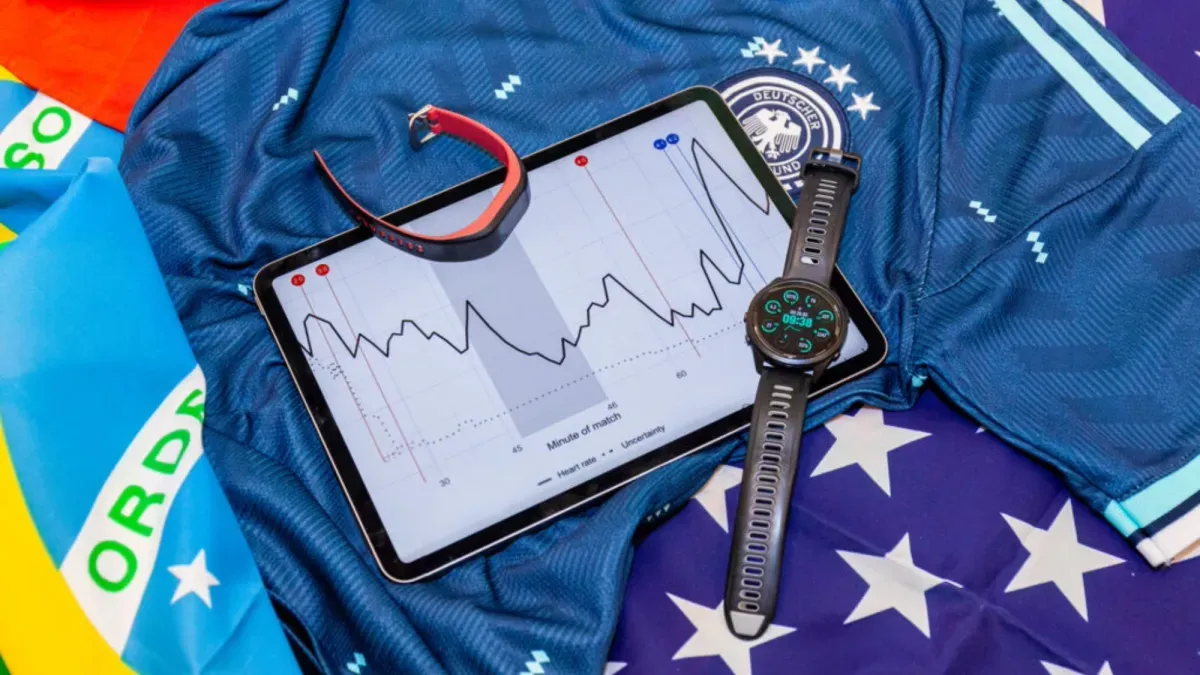
So, you thought your World Cup obsession was just a personal problem? Think again. Researchers at Bielefeld University are now asking football fans to hand over their smartwatch data to figure out just how much those last-minute goals (or crushing defeats) are messing with their physiology.
Because apparently, watching your team play isn't just an emotional rollercoaster; it's a full-body workout. And these scientists want to know if German fans clutch their chests harder than Brazilian fans after a penalty shootout. The World Cup, with its global, simultaneous emotional trauma, is the perfect lab.
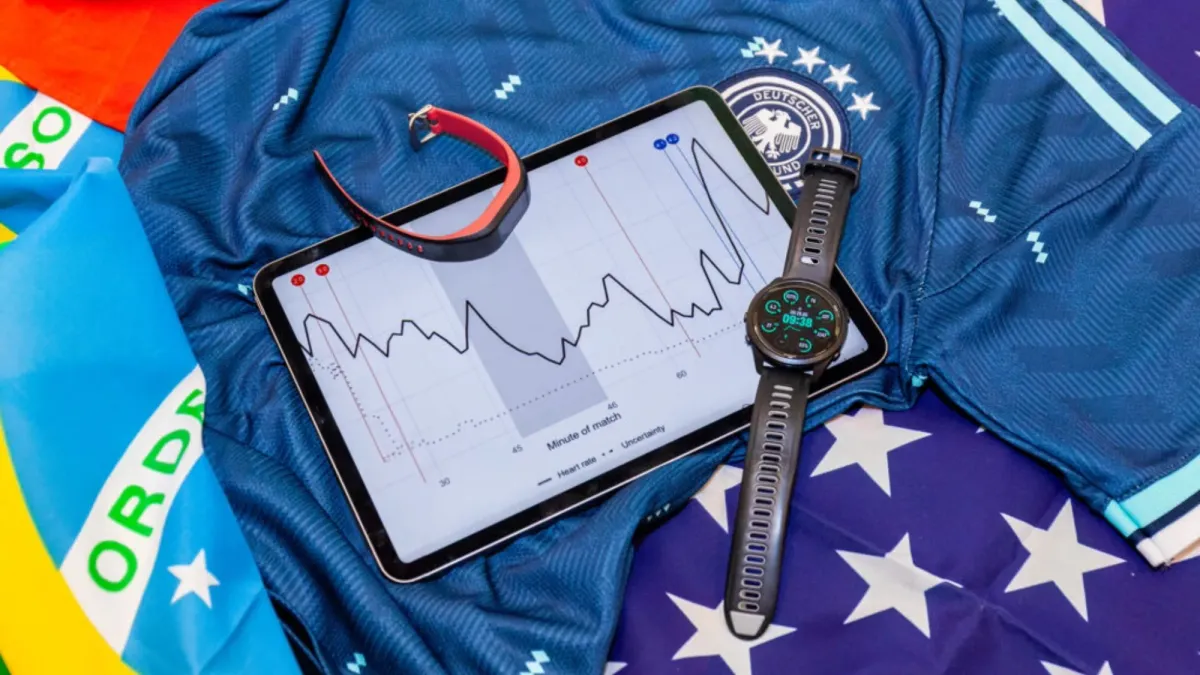
Want to contribute to the advancement of sports science (and maybe prove your fandom is truly next-level)? You can register online, declare your allegiance, and tell them how deeply you identify with your team. Once enough fellow fanatics sign up, they'll invite you to sync your smartwatch. You'll also confirm which matches you watched live and, crucially, how you watched them—because there's a big difference between the stadium and, say, a frantic live ticker.
We're a new kind of news feed.
Regular news is designed to drain you. We're a non-profit built to restore you. Every story we publish is scored for impact, progress, and hope.
Start Your News DetoxThey're playing nice with 13 different smartwatch brands, including the usual suspects like Apple, Google, and Samsung. All data is anonymized, of course, and accessed through a secure interface. The beauty of these devices, as one data scientist pointed out, is their battery life. Which means they can track your elevated stress levels for days. Just in case you thought you were over that quarter-final loss.
This isn't their first rodeo. The team previously studied the 2025 German Football Association (DFB Cup) final (yes, 2025, they're clearly planning ahead). They hooked up 229 Arminia Bielefeld supporters with smartwatches for 12 weeks.
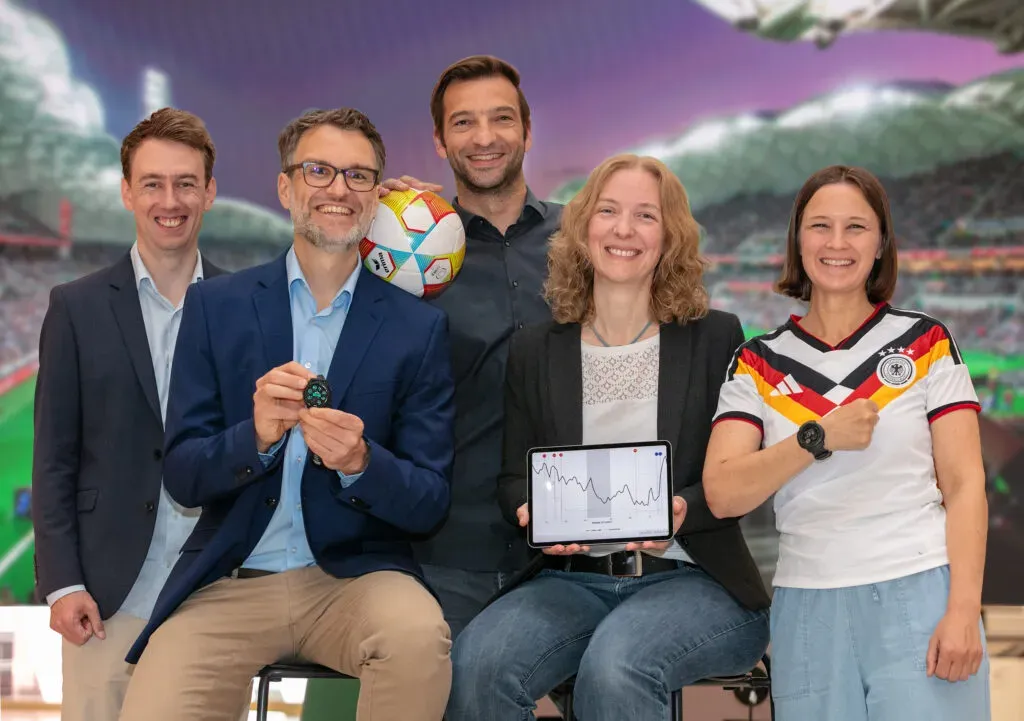
The results were… telling. Fans in the actual stadium clocked an average heart rate of 94 beats per minute. Those chilling on the couch? A comparatively serene 79 bpm. After a goal, stadium heart rates spiked up to 36% higher. And for the truly dedicated, stress levels started climbing a full 14 hours before kick-off. Because who needs sleep when your team is playing? These findings were published in Scientific Reports—just in case you needed scientific validation for your pre-game jitters.