Researchers have systematically identified which genes are essential for brain development by methodically switching off nearly 20,000 genes one at a time. The work reveals not just how the brain assembles itself, but also uncovers a previously unknown genetic disorder that disrupts this process.
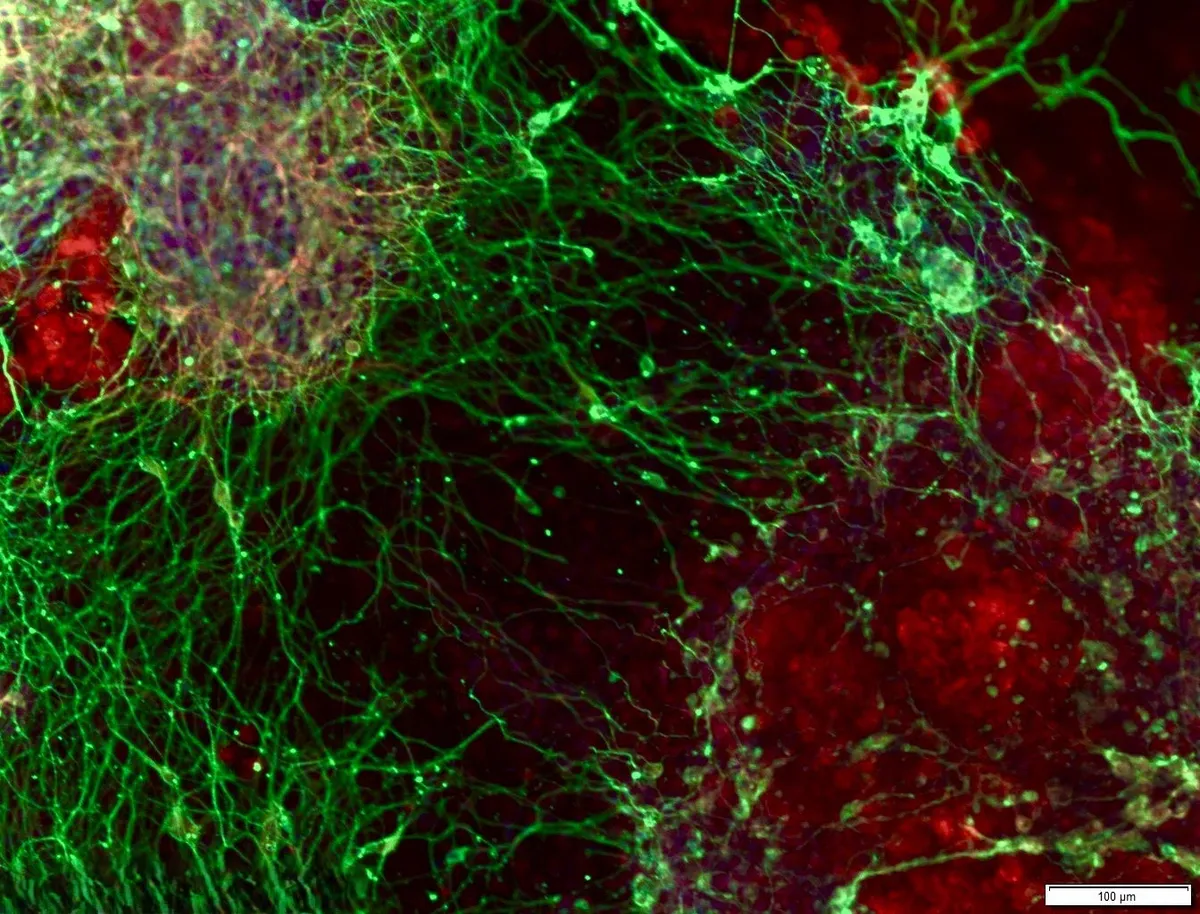
The study used CRISPR gene-editing to disable individual genes in embryonic stem cells as they transformed into neurons. By observing which gene deletions prevented cells from developing normally, the team charted a genetic roadmap of early brain development. They identified 331 genes critical for neuron formation — many linked to brain development for the first time.
The Discovery That Connects Genes to Real Children
Among these findings was the identification of PEDS1, a gene that had never been associated with a specific disorder. PEDS1 produces plasmalogens, specialized molecules that insulate nerve fibers and make up the brain's white matter. When the researchers disabled this gene in lab models, brain cells failed to form and migrate properly, resulting in smaller brains.
We're a new kind of news feed.
Regular news is designed to drain you. We're a non-profit built to restore you. Every story we publish is scored for impact, progress, and hope.
Start Your News DetoxThat laboratory observation became clinically real when genetic testing of two unrelated families revealed children with severe developmental delays and reduced brain size all carried rare mutations in PEDS1. The disorder had existed without a name or known cause until this screen brought it into focus. The children showed the exact symptoms the lab work predicted — developmental delay and smaller brain size — confirming the gene's role.
This is how science often works: a systematic search for mechanism leads to a diagnosis for a family that had no answers. These children now have a genetic explanation for their condition, which can guide future clinical care and genetic counseling.
Separating Autism from Developmental Delay at the Molecular Level
The researchers also created what they call an "essentiality map" — a timeline showing when specific genes matter most during development. This revealed something unexpected: genes required across many developmental stages were more strongly linked to developmental delay, while genes essential specifically during nerve cell formation were more closely associated with autism. It suggests these conditions, though often discussed together, have distinct biological roots.
This distinction matters because it could eventually lead to more precise diagnoses and targeted approaches to support different neurodevelopmental outcomes.
Making the Data Open
Rather than keeping the findings locked behind paywalls or internal databases, the team launched a public online database where researchers worldwide can explore the results. This accelerates the pace of discovery — other scientists can now build on this work without repeating the initial screening work.
The study represents one of the most comprehensive genetic maps of early nervous system development to date. It moves from abstract "how does the brain develop" to concrete answers: these 331 genes, in this order, with these specific functions. For families carrying PEDS1 mutations, it means a diagnosis. For the broader field, it's a foundation for understanding how genetic changes lead to neurodevelopmental conditions — and eventually, how to prevent or treat them.