Winter mornings slow everything down. Breath turns visible, balconies feel colder, gardens appear to pause. Yet tucked into a pot, a strawberry plant keeps growing. For a child watching it happen, that small surprise can shift how they see seasons, food, and what it means to care for something.
Growing strawberries in winter shows young gardeners something textbooks can't quite capture: plants respond to attention even when the weather changes. It adds color to balconies and patios, brings learning out of books and into lived experience, and rewards effort with fruit they can proudly call their own. This project works well for busy families, compact homes, and curious minds—making winter gardening both practical and joyful.
Getting started
Winter isn't ideal for starting strawberries from seed, so look for young plants or runners instead. When you're choosing them together with your child, pick ones with firm stems and fresh green leaves. Avoid anything that looks dry, yellow, or weak. Let them touch the leaves and notice the difference between healthy and struggling plants—this is their first lesson in observation.
We're a new kind of news feed.
Regular news is designed to drain you. We're a non-profit built to restore you. Every story we publish is scored for impact, progress, and hope.
Start Your News DetoxChoose pots with drainage holes and fill them with light, loose soil mixed with compost. Let your child scoop and mix and pat the soil down. This hands-on work helps them understand that soil isn't just dirt—it's what keeps a plant alive and fed. It also gives them a sense of ownership before anything has even sprouted.
The planting moment
Dig a small hole and place the plant inside so the crown sits just above the soil surface. Planting too deep causes rot; too shallow dries out the roots. Your child can hold the plant upright while you add soil around it. Explain why the plant needs space to breathe at the base. This step teaches careful handling and attention to detail—the kind of care that matters.
Place the pots where they'll catch several hours of sunlight each day, sheltered from strong winds. Ask your child to observe where sunlight falls during the day and decide on the best spot. They can draw a simple map or mark sunny corners. This turns a practical step into a fun observation activity.
The daily rhythm
Strawberries don't like soggy soil, especially in cooler weather. Water them when the top layer of soil feels dry to the touch, always gently. Let your child check the soil with their fingers and decide if watering is needed. Giving them this responsibility teaches balance—the idea that plants, like people, need care without excess.
Every few weeks, add a small amount of compost or natural plant food. Remove dry or damaged leaves so the plant can focus energy on new growth and fruit. Encourage your child to notice changes in leaf size, color, and growth. This builds patience and observation skills in a way that matters.
 Photograph: (Agrio)
The payoff
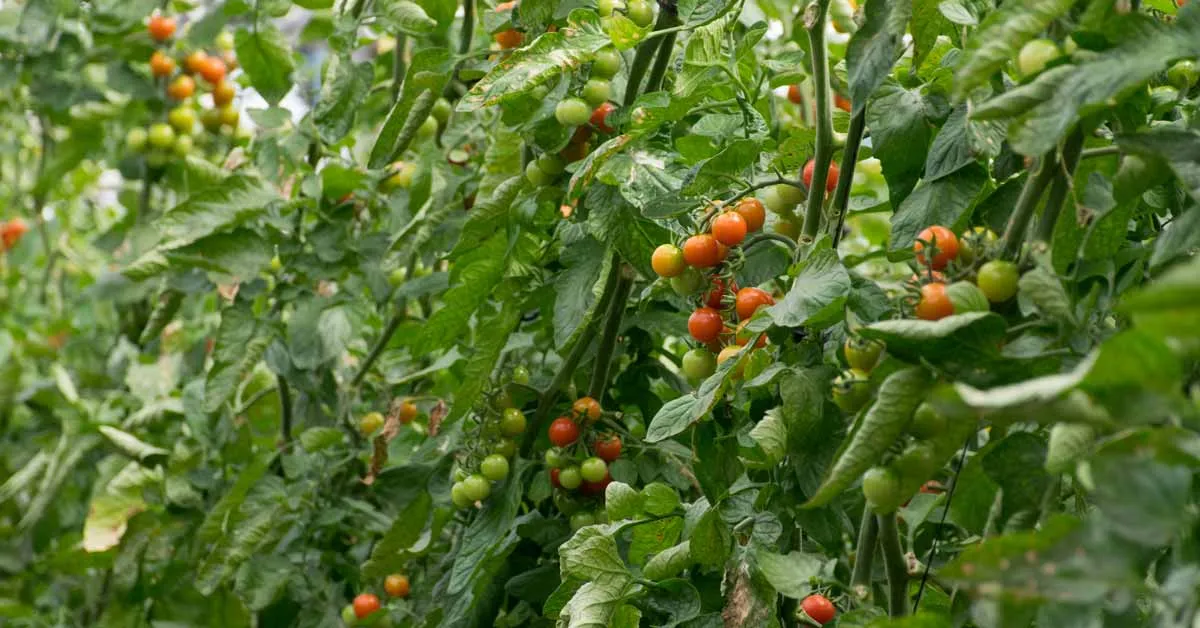
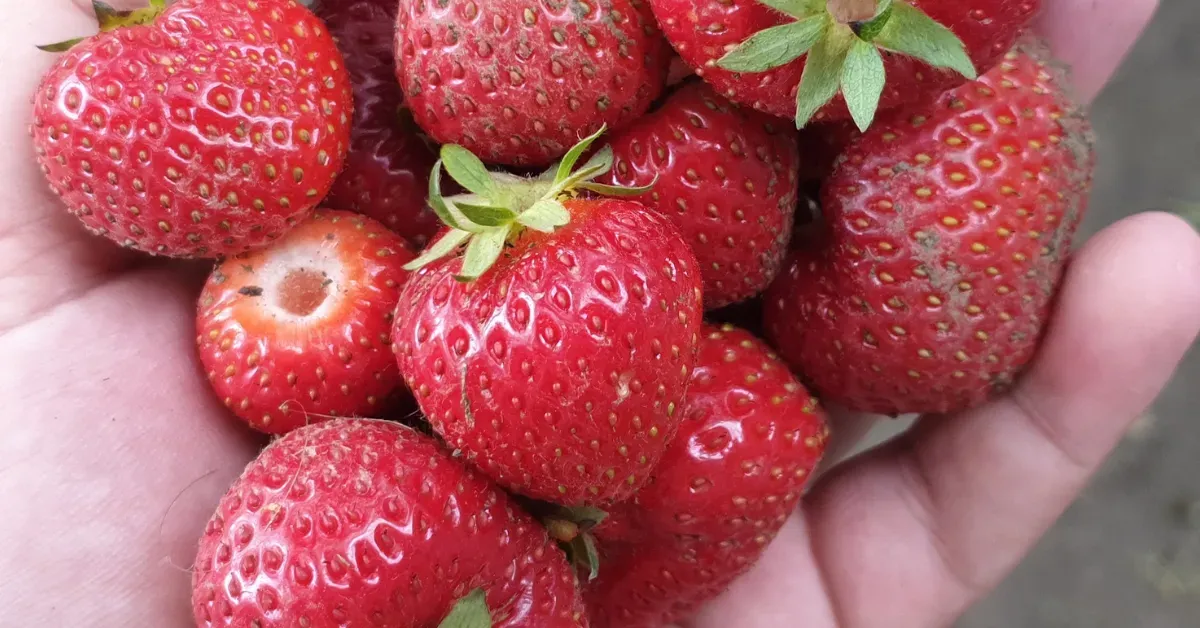
White flowers appear first, followed by tiny green fruits that slowly turn red. This is where the magic happens for a watching child. They can count flowers, track how long it takes for fruit to form, notice color changes. These simple acts naturally lead to conversations about plant life cycles and why insects matter.
When strawberries are fully red and slightly soft, they're ready to harvest. Your child can pick them gently, wash them, and eat them fresh. Tasting fruit they've grown themselves creates something that lasts longer than the season—a connection to gardening, to patience, to the fact that their attention mattered.
This winter project doesn't require much space, much money, or much expertise. What it requires is time and presence. And for a child learning how the world actually works, that's everything.