Ever wonder how big a hailstone really is when it hits the ground? NASA scientists do, and they're getting answers from a seriously cool source: you.

Turns out, tracking hail is tough. One of the biggest mysteries is how quickly those icy pellets shrink as they fall through warmer air. But now, thousands of everyday people are helping solve it.

It's all thanks to the CoCoRaHS network, a massive group of volunteers supported by NASA, NOAA, and the National Science Foundation. They report everything from rain to snow. But the hail reports are what's really helping scientists right now.
We're a new kind of news feed.
Regular news is designed to drain you. We're a non-profit built to restore you. Every story we publish is scored for impact, progress, and hope.
Start Your News Detox
Imagine a storm hits, and you see hailstones. You just snap a pic, estimate the size, and send it in. That simple report helps researchers understand how hail behaves.
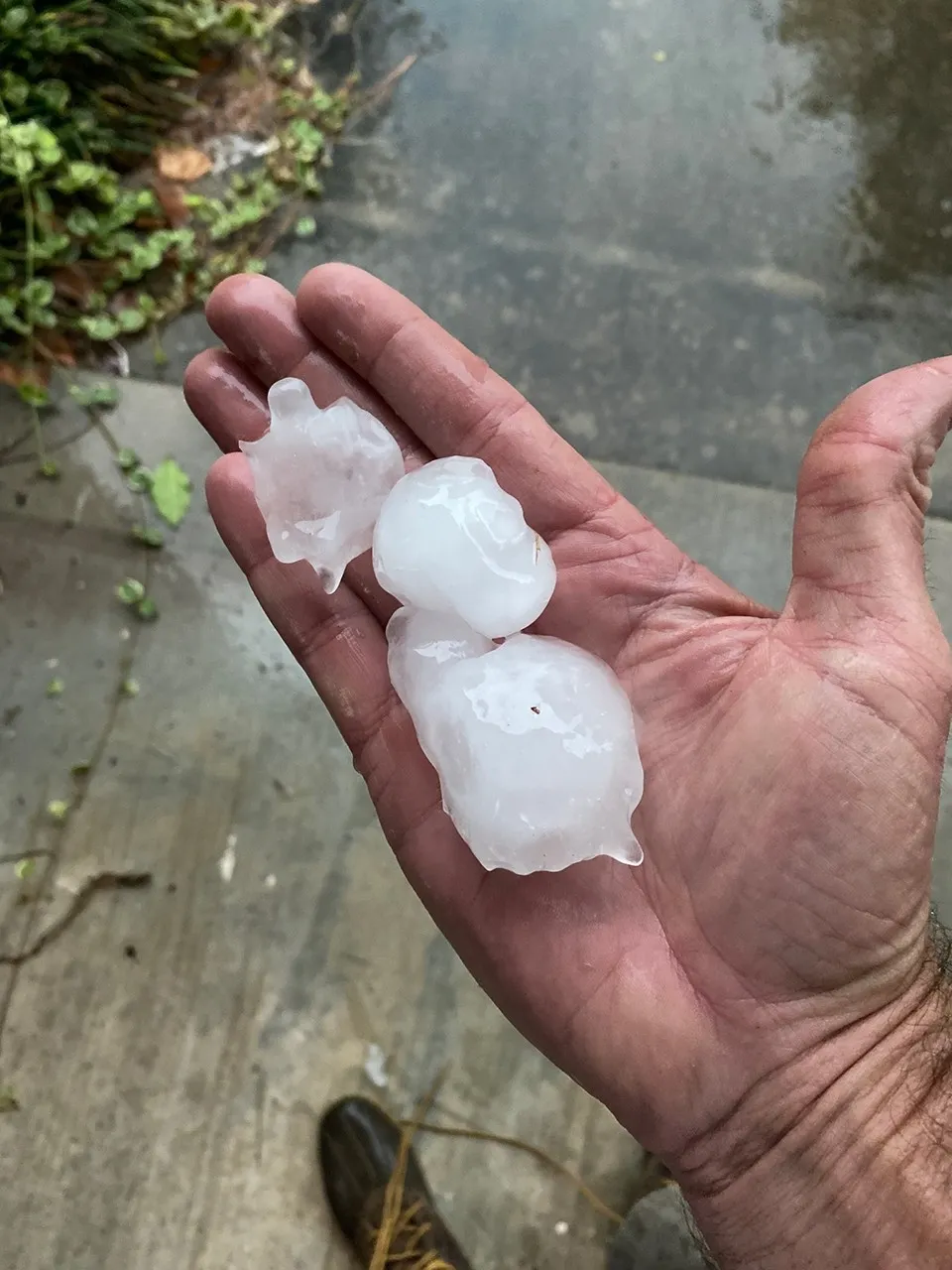
Take Jeremy Kichler, a volunteer who reported hailstones from half an inch to two inches wide back in June 2023. These weren't just tiny ice bits; they were big enough to dent cars and damage roofs. His detailed report, complete with photos, became a piece of the puzzle.
How Your Reports Help NASA
NASA scientists are taking these ground-level reports and mixing them with data from satellites orbiting Earth. They're building models to figure out how different-sized hailstones melt once they drop below the freezing line in the atmosphere.
This isn't just for curiosity. Organizations like the National Weather Service use this data to make better predictions. Knowing how much hail melts means more accurate forecasts, which helps people protect their homes and crops.
Want to join in? You just need a smartphone and the free CoCoRaHS mobile app. Your next storm observation could be helping NASA crack a weather mystery. It's a pretty easy way to feel like a secret agent for science.