Turns out, those towering offshore wind farms aren't just for battling winter's chill anymore. They're now pulling double duty, stepping up to keep the lights on and the AC blasting when summer decides to get truly oppressive. Because apparently, that's where we are now.
Earlier this month, New England was caught in a sticky, sweltering grip. As thermostats cranked down and power grids braced for impact, two offshore wind projects near the region quietly pumped hundreds of megawatts of electricity into the system. This meant utilities didn't have to fire up those notoriously expensive, oil-guzzling "peaker plants" — the ones that only get a workout when demand goes through the roof.
The Wind’s Wondrous Impact
Analysts at Grid Status, a data firm, did some digging. They compared this July's scorching temps to a similar heat spell in June 2025, back when most of this offshore wind capacity was still just a twinkle in a developer's eye. The difference? On July 2, 2026, the hottest day of the recent wave, oil provided less than 10% of the region's power. Contrast that with June 24, 2025, when oil carried nearly 15% of the load at peak. That's over a gigawatt less oil-fueled power needed. Let that satisfying number sink in.
We're a new kind of news feed.
Regular news is designed to drain you. We're a non-profit built to restore you. Every story we publish is scored for impact, progress, and hope.
Start Your News DetoxSure, overall demand was slightly lower this year, but Grid Status analyst Tim Ennis confirmed the real MVP was the stronger generation from those massive offshore wind farms. "We didn’t have to turn the oil on as hard at lunchtime because we had the wind and [hydropower line] online as well," he noted.
Joining the wind party were the New England Clean Energy Connect power line, which began funneling Canadian hydropower to Maine in January, and a swarm of rooftop solar installations. All working together to give those oil plants a much-needed break.

Summer, Winter, Whenever
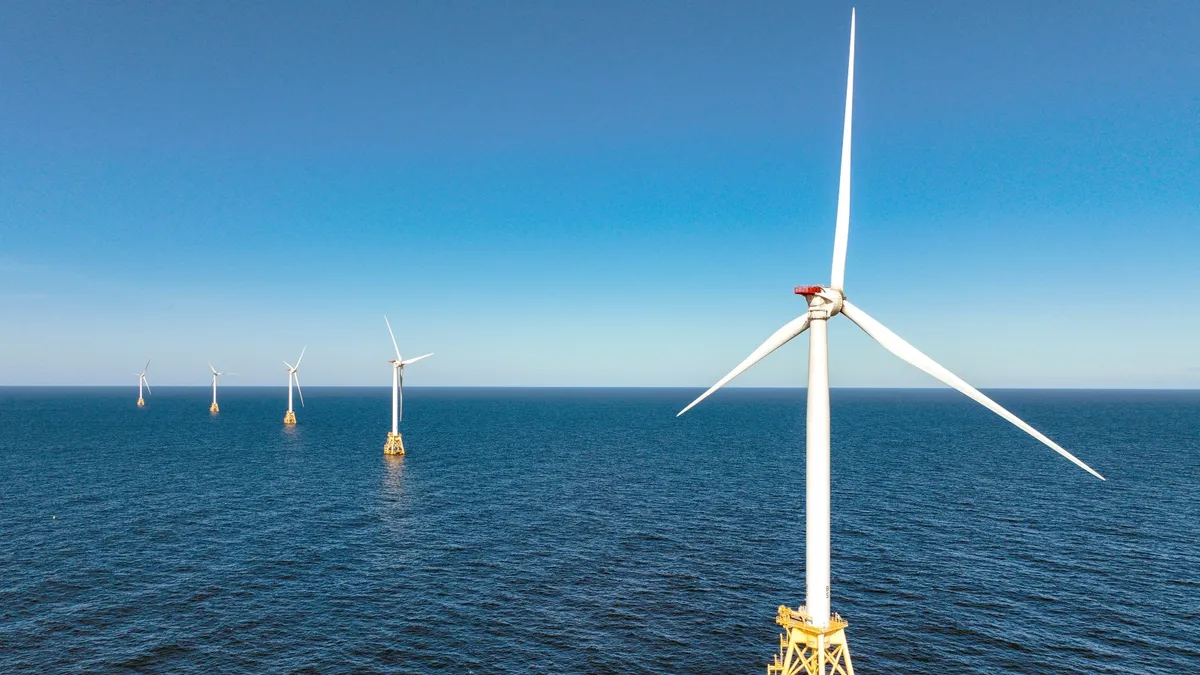
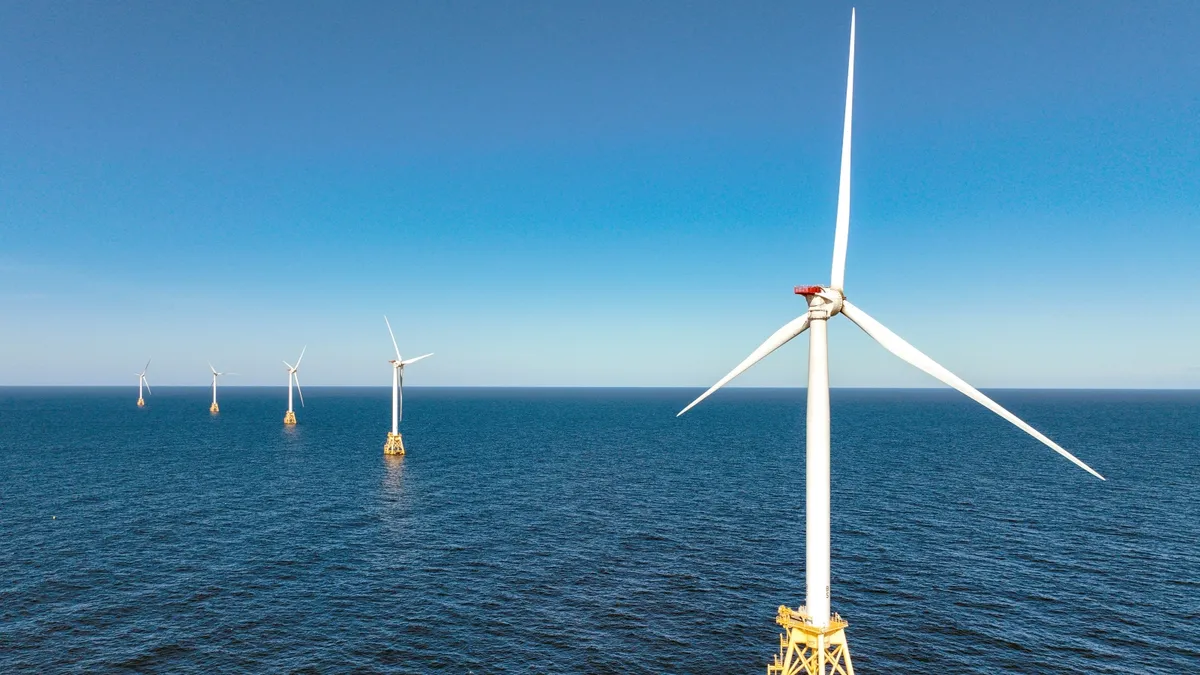
Offshore wind usually gets its accolades for winter performance, when ocean winds are strongest and steadiest, helping to meet the grid's coldest demands. But this summer proved these projects are just as crucial when the mercury climbs. The Vineyard Wind project, off Massachusetts, now has 49 of its 62 turbines spinning, with a capacity of 806 megawatts. And Rhode Island's 704-MW Revolution Wind project started sending power in March.
Ennis's data shows that from July 1 to 4, these operational turbines eased grid stress during peak AC usage, slashing the need for costly oil plants. New England operators burned 37% less oil during that four-day period compared to a similar stretch last year. Even New York's 132-MW South Fork Wind farm got in on the action, operating at nearly full capacity on July 2, sending juice to Long Island's stressed grid. Mikkel Mæhlisen of Ørsted, a co-owner, practically gloated on LinkedIn.
It’s a good thing, too, because these projects have faced their share of bureaucratic headwinds. Stop-work orders, legal battles, and lease pauses have cost developers millions and threatened timelines. But with all five major U.S. offshore wind projects eventually online, they'll add nearly 6 gigawatts of clean energy, helping the East Coast weather everything from arctic blasts to life-threatening heat. As Fara Courtney, an offshore wind policy consultant, puts it: "Now we have the first projects up and producing, [and] the data is clear: Offshore wind is a new American energy sector with a big role to play."

Turns out, sometimes the biggest solutions are just a few hundred feet off the coast, spinning quietly in the breeze.