In 2015, workers at Burr Oak Cemetery in suburban Chicago were convicted of a scheme that sounds like something from a crime thriller: they'd been digging up old graves, moving the remains, and reselling the burial plots for profit. The cemetery, a final resting place for civil rights martyr Emmett Till and blues legends Dinah Washington and Willie Dixon, became a crime scene in 2009 when investigators uncovered evidence that about 1,500 bones from at least 29 people had been moved.
Four people faced charges—brothers Keith and Terrence Nicks, cemetery employee Maurice Dailey, and former director Carolyn Towns. Their defense was straightforward: the grave-robbing happened long before they worked there. But in March 2026, a study published in Forensic Sciences Research revealed how a tiny clump of moss buried eight inches underground proved them wrong.
The Moss Detective
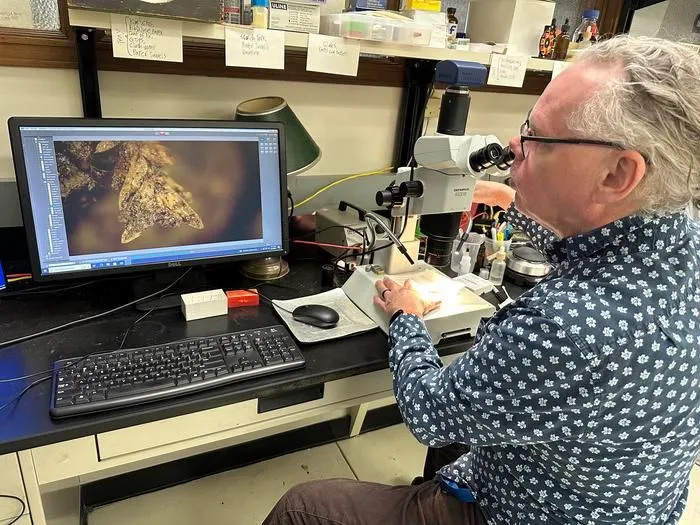
When FBI investigators found the moss specimen near the reburied remains, they called Matt von Konrat, head of botany collections at the Field Museum in Chicago. By comparing it to museum specimens, von Konrat identified it as Fissidens taxifolius—common pocket moss. Here's where it got interesting: that species wasn't growing near the crime scene itself, but investigators found a huge colony of it in the exact section of the cemetery where they suspected the bones had been dug up from. That was strong evidence the remains had been moved from there.
We're a new kind of news feed.
Regular news is designed to drain you. We're a non-profit built to restore you. Every story we publish is scored for impact, progress, and hope.
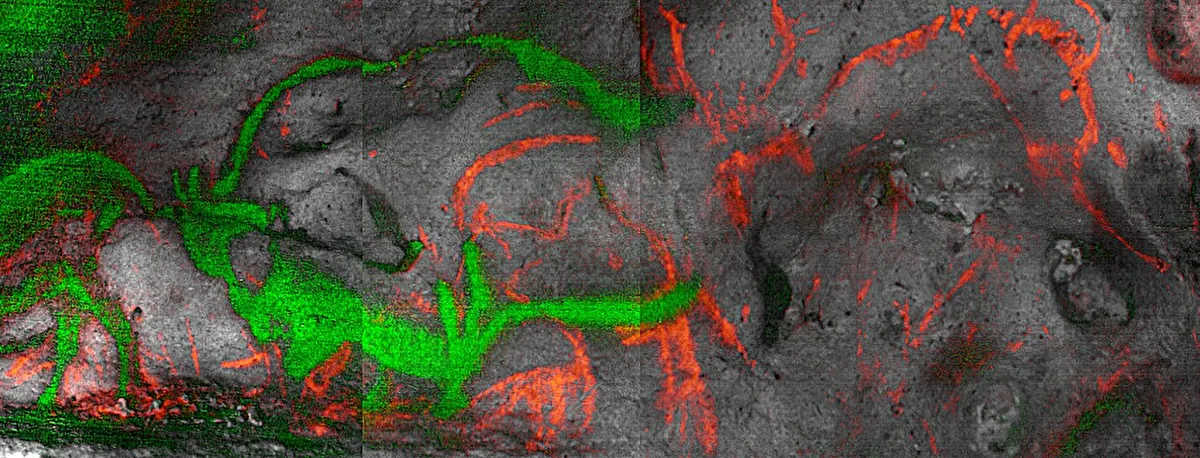
Start Your News DetoxBut the real breakthrough came from the moss's metabolism. Most people assume dead plants are just... dead. Moss doesn't work that way. "Even when we might think they're dead, they can still have an active metabolism," von Konrat explained. The team measured chlorophyll levels—the green pigment plants use for photosynthesis—which degrades over time as the plant decays. By comparing the crime scene moss's chlorophyll to specimens with known ages, they calculated that the cemetery clump was only one or two years old. Further testing showed it had been buried for less than six months.
That timeline placed all four defendants at the scene during their employment, directly contradicting their claims. "The moss was key to charging four individuals and securing their convictions," says Doug Seccombe, a former FBI agent who worked the case and co-authored the study.
What's Next
Since Burr Oak, von Konrat's moss expertise has been requested for several other investigations. The study demonstrates something law enforcement is still learning: unexpected evidence from the natural world—mosses, liverworts, hornworts, and other plants—can provide the precise timeline needed to hold perpetrators accountable. It's a reminder that sometimes the smallest clues tell the biggest stories.