For decades, the famous black paintings at Lascaux and Font-de-Gaume sat in scientific limbo. Researchers assumed the pigments were just iron and manganese oxides—materials that radiocarbon dating can't touch. So the age of these masterpieces remained a mystery, locked away behind the cave wall alongside the artists who created them.
Then a team of CNRS scientists looked closer.
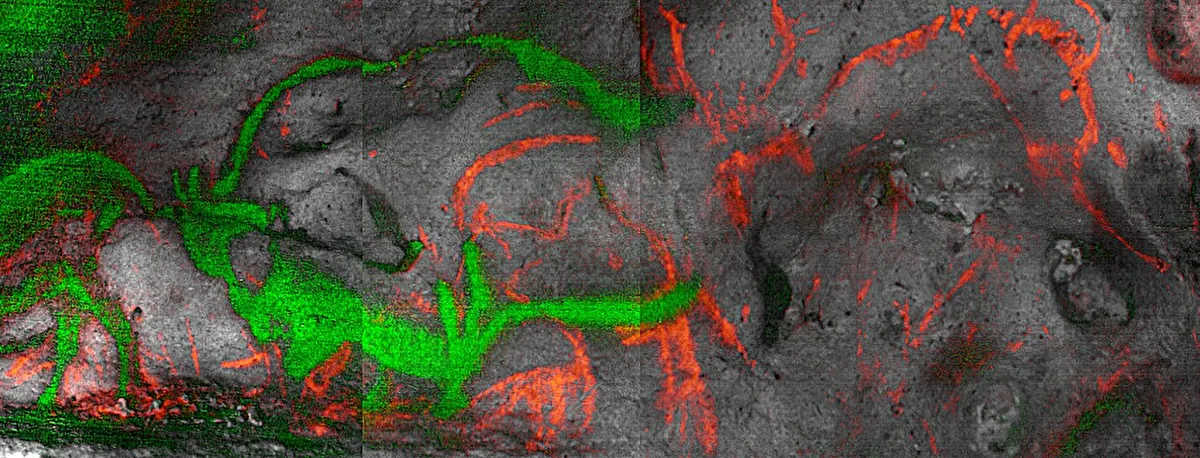
Using Raman microspectrometry and hyperspectral imaging—fancy ways of analyzing material without damaging it—they examined two black drawings at Font-de-Gaume in Les Eyzies. What they found changed everything: the black pigments contained charcoal, embedded throughout like tiny time capsules. Charcoal, unlike iron oxide, can be dated.
The discovery was significant enough that researchers received rare permission to collect micro-samples for carbon-14 dating. The results landed with surprising precision.
We're a new kind of news feed.
Regular news is designed to drain you. We're a non-profit built to restore you. Every story we publish is scored for impact, progress, and hope.
Start Your News DetoxOne bison was painted between 13,461 and 13,162 years ago. A mask told a more complex story—different sections painted at different times, spanning from roughly 16,000 years ago to around 8,600 years ago. All of it landed firmly in the Upper Paleolithic period, slightly more recent than previous estimates had suggested.
What makes this wild is the methodology itself. By confirming charcoal was present in the black lines—and ruling out contamination from graffiti or curious tourists—scientists unlocked a way to date dozens of other carbon-based paintings across the region. The chronology of Paleolithic art in southwestern France, one of humanity's most important artistic centers, just got a lot sharper.
This matters because art doesn't exist in a vacuum. When you know when something was made, you can start asking better questions about why. What was happening in these communities 15,000 years ago? How did artistic practices evolve across centuries? What do the subjects—bison, horses, handprints—tell us about what mattered to people living through the last Ice Age?
The research opens the door to building a fuller picture of ancient cultures through their own creations. One painting at a time, the Dordogne's cave walls are finally starting to speak.