Self-driving cars are getting smarter, but they still have a major Achilles' heel: bad weather and sudden flashes of light. Think about it. You can probably navigate a downpour or a blinding set of high beams, but your autonomous ride? Not so much. Now, a new sensor, barely bigger than a grain of sand, might just change that.
The Human Eye, Reimagined for Robots
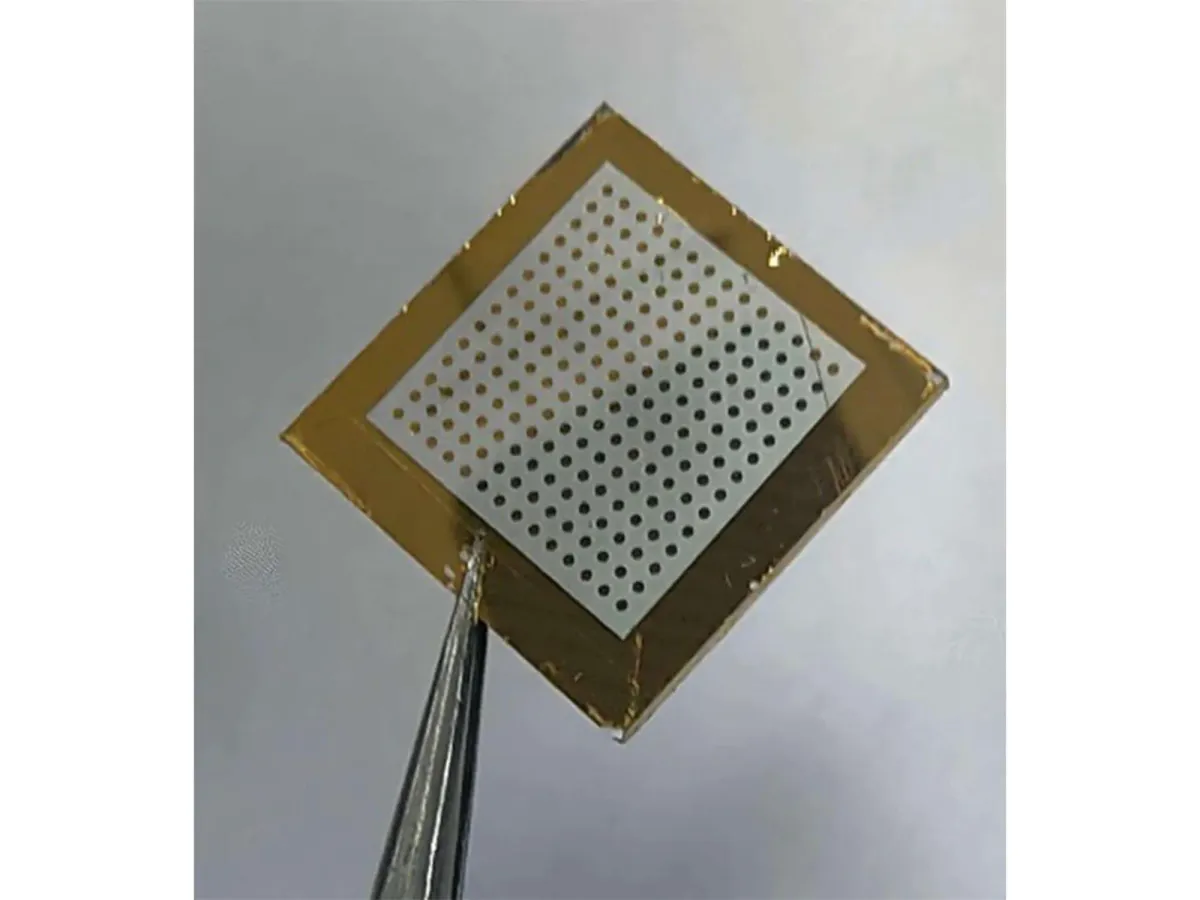
Researchers at Penn State have cooked up a tiny marvel called a photomemristor. Forget your typical computer vision. This little guy mimics the human eye, acting like an extra artificial peeper for the car. In tests, it adjusted to wild light shifts faster than anything else out there. Because, apparently, that's where we are now — building bionic eyes for cars.
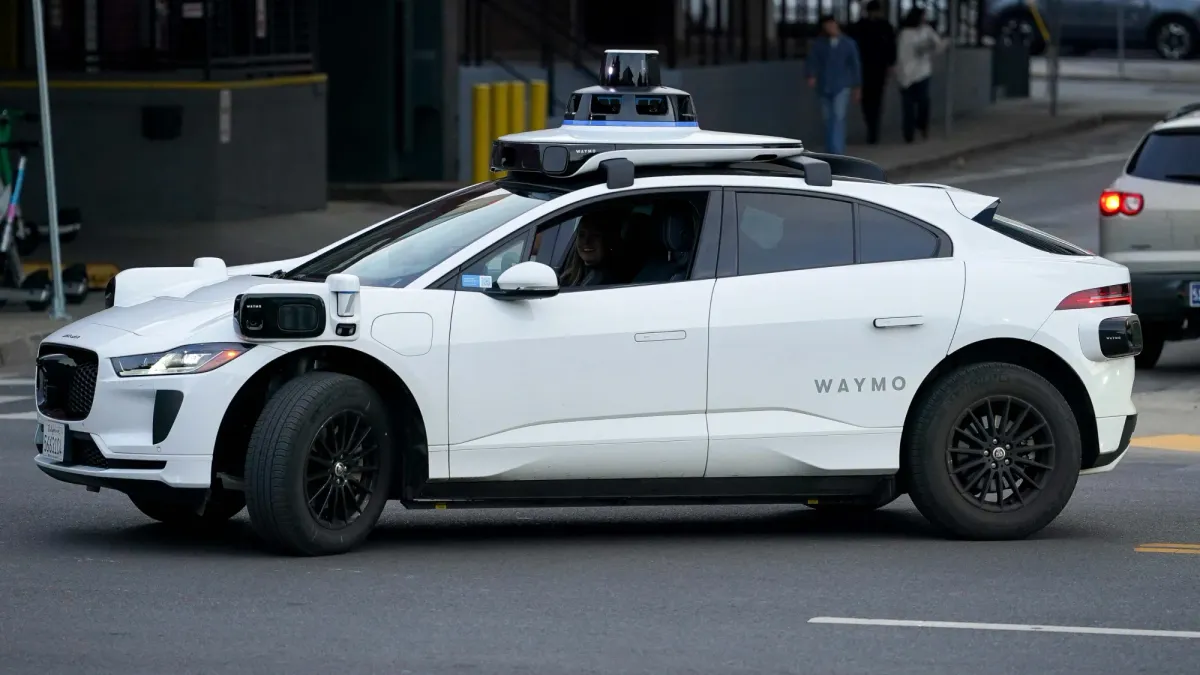
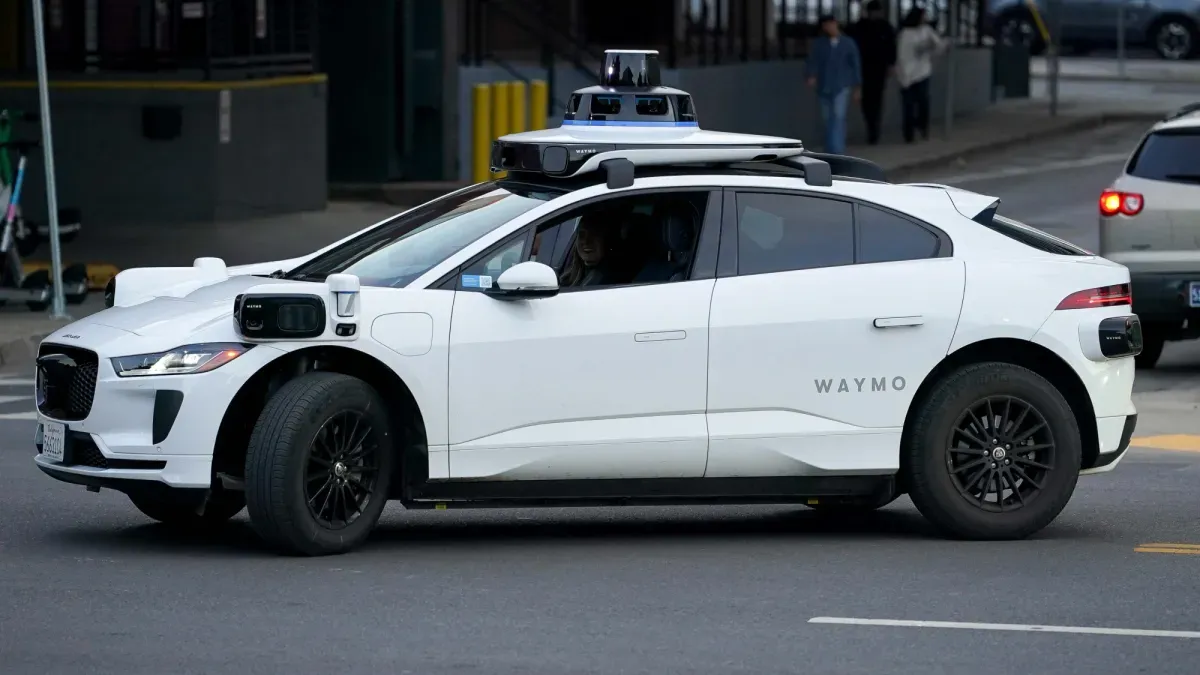
Our own eyes are masters of adaptation, effortlessly flicking between bright sunshine and dim corners. Giving this superpower to self-driving cars could make them genuinely reliable, even when the weather decides to be dramatic. This is crucial as companies like Waymo and Zoox gear up to unleash more driverless taxis onto public roads. The findings, by the way, landed in Nature Communications.
We're a new kind of news feed.
Regular news is designed to drain you. We're a non-profit built to restore you. Every story we publish is scored for impact, progress, and hope.
Start Your News DetoxAs Penn State engineer and study co-author Larry Chang dryly observed, copying the eye helps create more dependable photomemristors for those tricky mixed lighting scenarios.
Where Current Car Vision Hits a Wall
Right now, most driverless car vision systems are only as good as the data they're trained on. And while there have been valiant efforts to improve performance in less-than-ideal conditions, current services largely stick to perpetually sunny locales like Phoenix and San Francisco. Because, you know, perfect weather is a given.
But it's not just the rain or snow. These systems really struggle with "mixed lighting." Picture this: you're cruising at night, and an oncoming car suddenly blasts its high beams. Humans usually shrug it off, but machines? They get flustered.
In such a moment, a driverless car might momentarily lose track of crucial details — that faint stoplight, or, perhaps more concerningly, a deer plotting its next move.
Building Rods and Cones for Your Ride
To tackle this, the Penn State engineers went straight to the source: our own eyes. We have rods for seeing in the dark, which temporarily "bleach" in bright light before regenerating. And then there are cones, which stay cool and collected, helping us see detail while the rods are recalibrating.
The team built their photomemristor to replicate this process. They used a stretchy, gel-like plastic, titanium oxide powder, and a dash of water. The titanium oxide snags light and converts it into an electrical current, which then zips through the plastic. In the dark, the plastic sips water and swells. In bright light, it releases water. This ingenious design lets the sensors adapt to changing light conditions on the fly.
This tiny marvel is only half a millimeter across. For it to work its magic in a car, you'd need a whole array of them, connected like a miniature brain. The team tested a 4x4 array with a neural network, essentially acting as the car's brain. They used a standard eye chart test: an LED letter "F" against a background that flipped from blindingly bright to pitch dark. The system had to identify the "F" through it all.
After some training, the system hit 95% accuracy in mixed lighting, easily outperforming traditional setups. While humans might still edge it out, the system adjusted to major light changes in mere seconds — a significant improvement over the 20 to 30 minutes it typically takes human eyes to fully adapt. Let that satisfying number sink in.
Beyond the Driverless Dream
While these sensors are incredibly promising, don't expect them in your next autonomous vehicle just yet. The next step is to expand the sensor to process both visual and touch data, which could eventually make autonomous vehicles genuinely foolproof.
But the potential doesn't stop there. The team believes these artificial eyes could one day help visually impaired people see again. Or perhaps give humanoid robots the edge they need to navigate a bustling warehouse. Because who wouldn't want a robot with better vision than most teenagers?