Plants have a reputation for being solitary competitors, each fighting for its slice of sunlight and soil. But new research suggests they're actually looking out for each other — and a simple touch is enough to trigger a survival boost.
When plant leaves brush against one another, they activate an early warning system that makes neighboring plants tougher against stress, according to a study led by plant scientist Ron Mittler at the University of Missouri. The finding challenges how we think about plant behavior and could reshape agriculture as climate stress intensifies.
The Touch Effect
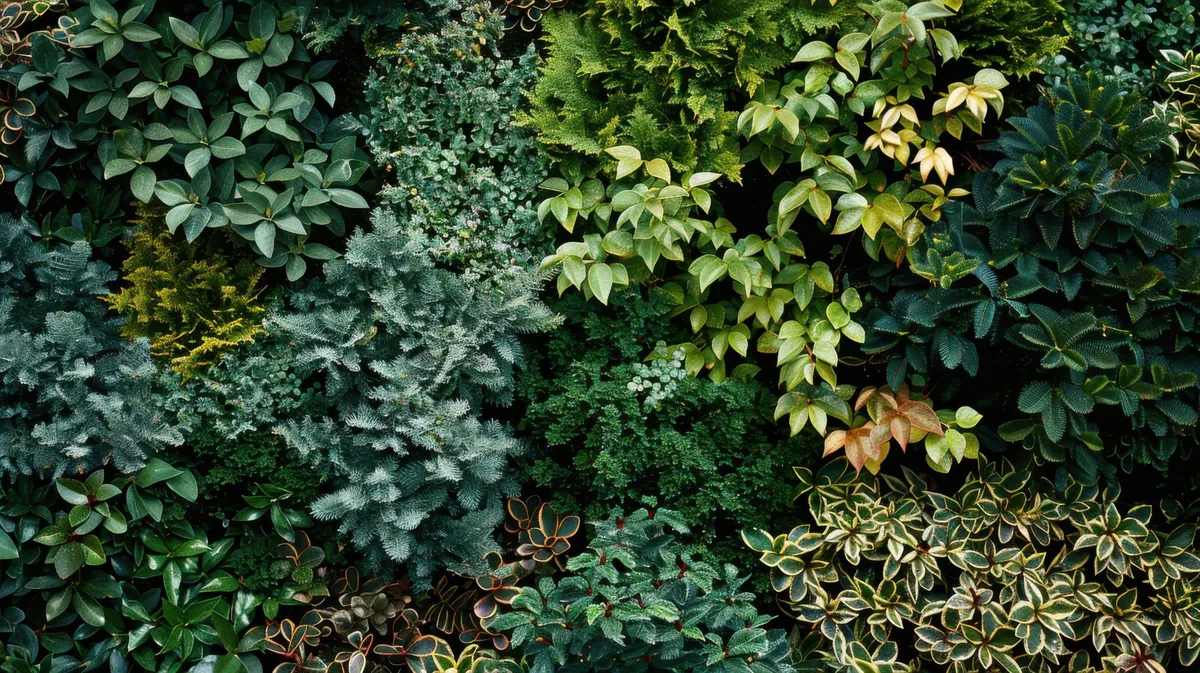
Mittler's team tested the idea using Arabidopsis thaliana, a small flowering plant common in genetic research. They grew one group with leaves physically touching and another in isolation, then exposed both to intense light — the kind of stress plants face during heatwaves or under direct sun. The results were striking: plants that touched each other showed significantly less damage. Their leaves leaked fewer ions (a sign of cellular injury) and accumulated fewer stress pigments than isolated plants.
We're a new kind of news feed.
Regular news is designed to drain you. We're a non-profit built to restore you. Every story we publish is scored for impact, progress, and hope.
Start Your News Detox"If you stimulate or stress one plant, it will send a signal to all the other plants that it touches, and they all become more tolerant," Mittler explained. To confirm the plants were actually communicating, the researchers built a three-plant chain where the middle plant was genetically modified to block chemical signals. When the middle plant couldn't relay the message, the third plant lost its resilience — proof that touch-triggered communication was happening.
Hydrogen peroxide, a chemical messenger plants naturally produce, appears to be the key messenger in this process.
Cooperation Under Pressure
While scientists have long known plants communicate underground through root networks and fungi, above-ground communication through physical contact has been largely overlooked. Mittler's work suggests plants have a flexible social strategy: when conditions are harsh, clustering together and touching pays off. When life is easy — no predators, no stress — going solo makes sense.
"Typically, we view plants as competitors," Mittler said. "But if you grow under harsh conditions, you better grow in a group."
This reframes an old evolutionary question. In challenging environments, the survival advantage isn't about outcompeting neighbors — it's about being part of a network that shares early warnings. It's cooperation born from necessity.
What Changes Now
As heatwaves lengthen and sunlight intensifies in a warming climate, understanding how plants adapt matters more than it used to. These findings could influence how farmers space crops, how cities design green spaces, or which plant varieties work best in stressed environments. The study is still a preprint and hasn't gone through peer review yet, but it adds to growing evidence that plants are far more interactive and responsive than their reputation suggests.
The next question: if touch triggers resilience to light stress, what else might plants be signaling to each other through simple physical contact.