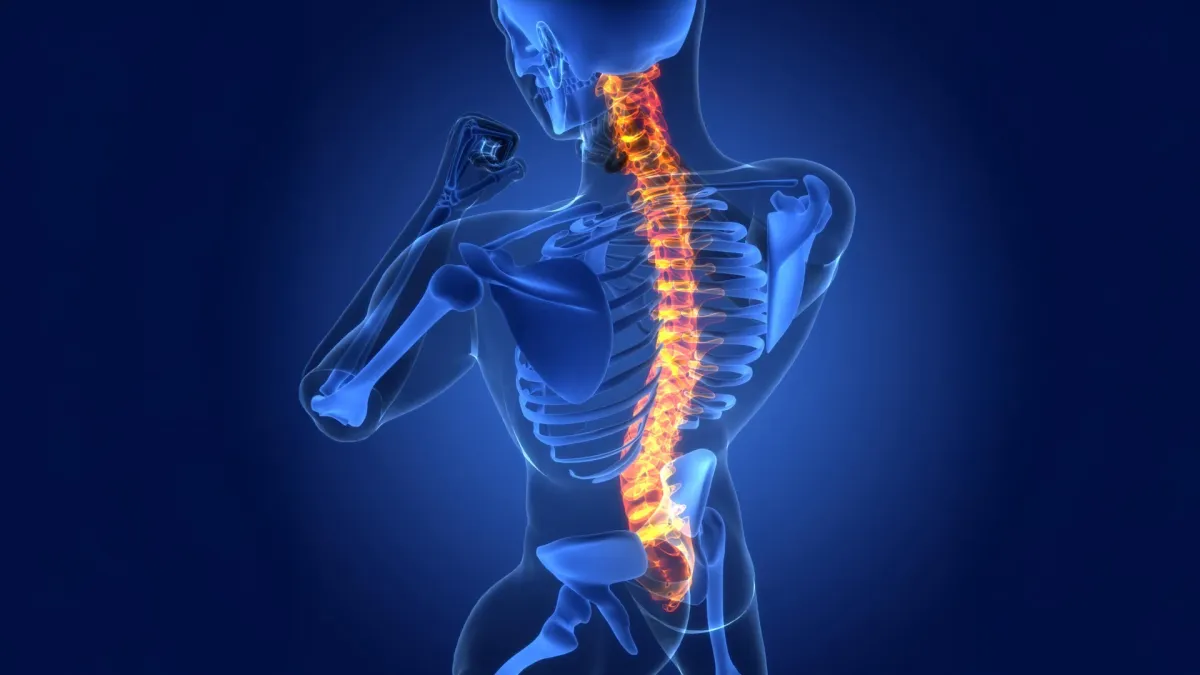
Aristotle got it wrong. He told us there were five senses—sight, hearing, smell, taste, touch—and we've been teaching that to schoolchildren for 2,400 years. But neuroscientists now know the human sensory system is far messier and richer than that. We likely have at least 33 distinct senses, and almost everything we experience is built from multiple senses working together at once.
Start with proprioception: the sense that tells you where your limbs are without looking. Right now, you know your left hand is in your lap without checking. That's proprioception. Then there's your vestibular system—the fluid-filled canals in your inner ear that work with your eyes and proprioception to keep you balanced. Interoception lets you sense what's happening inside your body: your heartbeat quickening, hunger rising, the subtle shift when you're about to feel anxious.
There's a sense of agency, too—the feeling that you're the one moving your own limbs. Stroke patients sometimes lose this. They can feel sensations in a limb perfectly well, but the limb doesn't feel like theirs anymore. It's a haunting reminder that "feeling" something and "owning" something are separate senses entirely.
We're a new kind of news feed.
Regular news is designed to drain you. We're a non-profit built to restore you. Every story we publish is scored for impact, progress, and hope.
Start Your News DetoxThen break down what we call touch. It's actually at least four senses bundled together: pain, temperature, itch, and tactile pressure. Taste isn't just your tongue's receptors for salt, sweet, sour, bitter, and umami—it's a collaboration between those receptors, your sense of smell, and the touch sensations in your mouth.
How Your Senses Talk to Each Other
Researchers at the Center for the Study of the Senses at the University of London have been mapping how these senses influence each other in surprising ways. When they altered the sound of people's own footsteps in an experiment, participants reported feeling lighter or heavier—the audio changed the proprioceptive experience. In museums, audioguides that address listeners as if a portrait subject is speaking helped visitors remember more visual details about the artwork. Even something as mundane as airplane noise changes how food tastes: it interferes with most flavors but actually enhances umami, the savory taste.
What we see affects what we feel, and vice versa. The smell of something can shift how you perceive its texture. During takeoff, the cabin of an aircraft can look tilted to your eyes even though it's perfectly level—your vestibular system is telling a different story than your vision.
This multisensory integration is so fundamental that it's hard to find a moment where you're using just one sense. You're always perceiving through multiple channels at once, blending them into a single coherent experience of the world. The more neuroscientists look, the more they discover about how intricate this system is. We're still in the early stages of mapping it all.