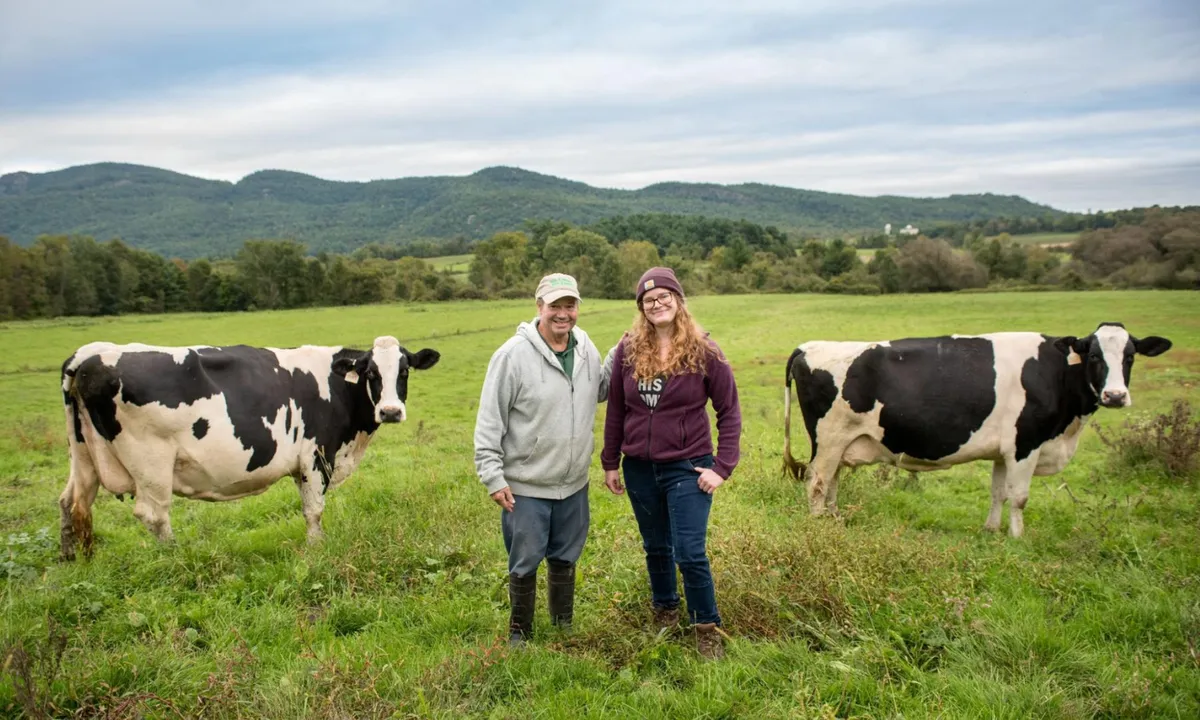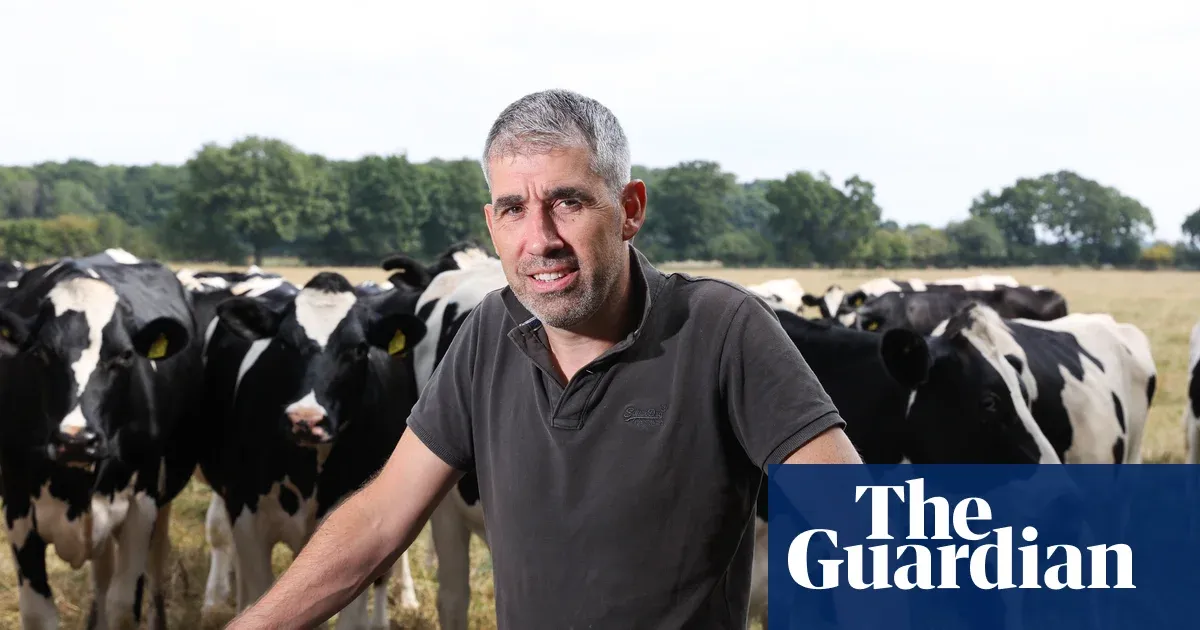
Paul Tompkins wakes at 4:40 am every morning knowing he's already down £1,800 for the day. The third-generation farmer in Yorkshire's Vale of York can produce milk for about 40p per litre from his 500 cows, but his processor pays him only 29p. That gap—11p per litre across a large herd—is the difference between staying in business and watching a year rack up losses approaching £660,000.
Tompkins isn't an outlier. As chair of the dairy board at the National Farmers' Union, he benchmarks constantly against other producers. His cost of production mirrors the national average. What he's experiencing is the reality for thousands of British dairy farmers right now: a wholesale price collapse that's outpacing any efficiency gains they can squeeze out.
The mathematics of oversupply
The culprit is straightforward—too much milk chasing too little demand. American production is up. New Zealand remains competitive. But China, historically a major buyer, hasn't increased its purchases. Meanwhile, British farmers produced 7% more milk in the final quarter of 2025 than the five-year average, according to the Agriculture and Horticulture Development Board. Some of that came from an unexpected source: cheap animal feed in early 2025 meant well-fed cows produced record volumes.
We're a new kind of news feed.
Regular news is designed to drain you. We're a non-profit built to restore you. Every story we publish is scored for impact, progress, and hope.
Start Your News DetoxMike Houghton, a farm consultant at Andersons, calls it a perfect storm. "There is too much milk," he says flatly. The timing couldn't be worse. Farmers already absorbed cost increases in fertiliser and fuel, chronic labour shortages since Brexit, and now face inheritance tax concerns on agricultural assets above £2.5m.
The result: nearly 20% of British dairy producers have quit since October 2019. That's consolidation through attrition. The remaining farms have grown larger and worked harder to produce the same volume of milk. But Houghton predicts the current price shock will push another 10%—roughly 700 farmers—out of the industry entirely.
The lag before your milk gets cheaper
Shoppers might assume falling wholesale prices mean cheaper milk in the supermarket. Not yet. The average time lag between farmgate price drops and retail price falls is seven months, according to the AHDB. Butter prices are expected to start falling in April, with steeper drops from June. Cheddar should follow from July. Your cappuccino, though, will likely stay the same price—milk is only one component of a cafe's costs.
What's happening on British dairy farms right now is a brutal lesson in how global commodity markets work. Farmers can't control global supply or Chinese demand. They can only control how efficiently they work—and they're already doing that better than almost anyone else. The question now is whether the industry can absorb another wave of exits, or whether the maths simply doesn't work anymore for mid-sized producers.