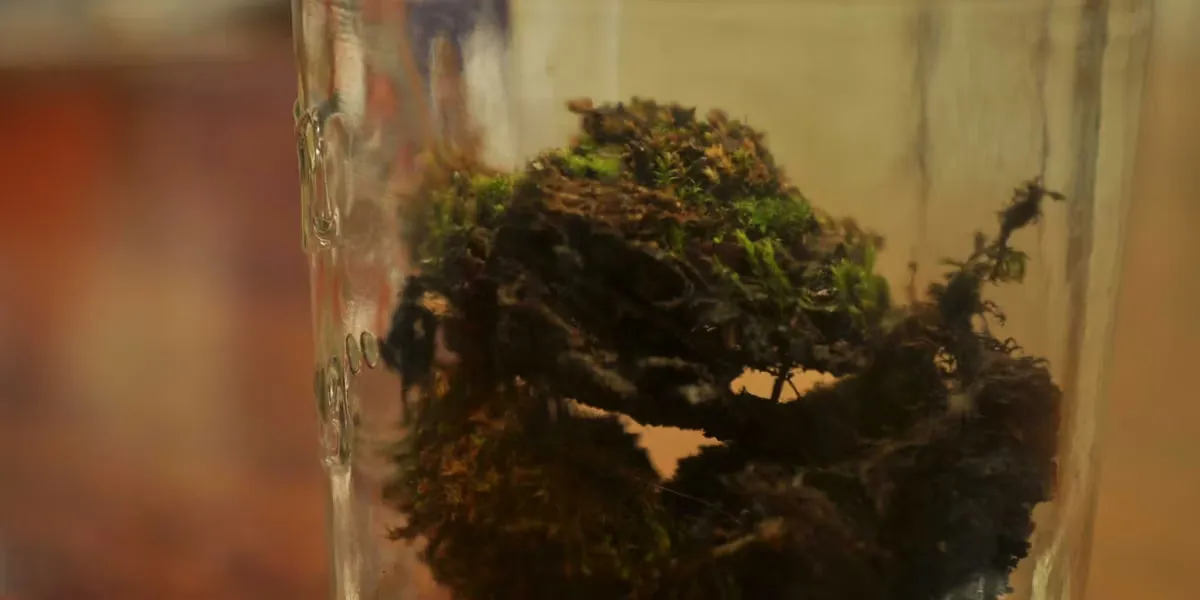
In 1879, a botanist named James Beal did something that wouldn't pay off for generations: he buried 20 glass bottles filled with over 1,000 seeds from 21 different plant species, sealed them in sand, and walked away. His plan was simple but audacious — dig up one bottle every few years, plant the seeds, and see what still had life in it. He wanted to know how long seeds could actually survive underground.
Beal never saw most of the answers. He retired, the experiment passed to other researchers, and the digging schedule stretched from every 5 years to every 20. But the bottles stayed buried, waiting. Now, 142 years later, the Beal Seed Experiment at Michigan State University is one of the longest-running active studies on Earth — a living conversation across centuries between a dead botanist and scientists who are only now understanding what he was really asking.
When the team dug up the most recent bottle in 2021, they did it at night. Sunlight, they knew, could damage seeds that had been in darkness for two decades. What they found was both humbling and strange: some seeds, particularly from hardy weed species, still sprouted. Others didn't. But even the failures told a story. By studying the seeds that refused to germinate — examining their molecular structure, testing revival techniques like simulating winter cold or fire smoke — the researchers could map the invisible biology of resilience.
We're a new kind of news feed.
Regular news is designed to drain you. We're a non-profit built to restore you. Every story we publish is scored for impact, progress, and hope.
Start Your News DetoxThis matters more than it might seem. As climate patterns shift and temperatures climb, the crops we rely on need to adapt faster than evolution usually allows. The Beal seeds are teaching us which genetic traits keep life viable under stress, which molecular switches control longevity, which tweaks might let us engineer crops that survive droughts or unexpected frosts. It's not about creating super-seeds from scratch — it's about reading the instruction manual that nature already wrote.
Only a handful of bottles remain unexcavated. The next opening is scheduled for around 2040, which means some researchers starting work today will spend their entire career waiting for answers that a 19th-century botanist buried in the ground. That's the strange gift of patience: sometimes the longest experiments teach us the most about how to survive change.