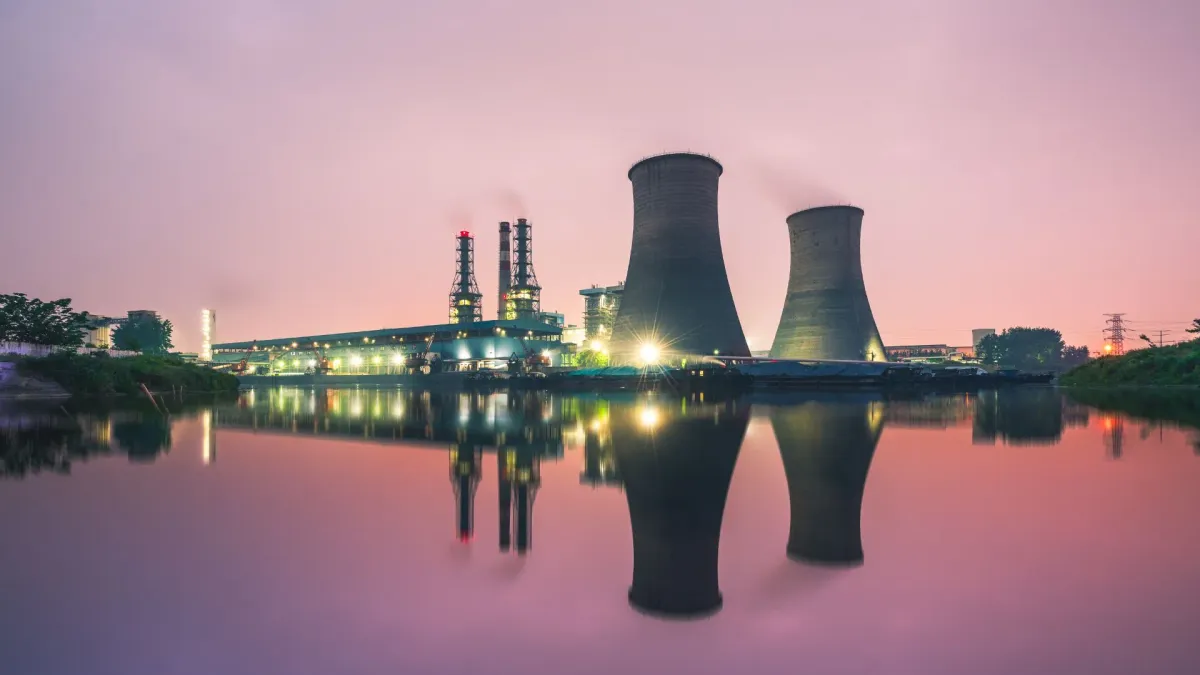
India has reached a major milestone with its 500 MWe Prototype Fast Breeder Reactor (PFBR) in Kalpakkam, Tamil Nadu. The reactor has achieved criticality, meaning its core can now sustain a controlled fission process.
This achievement puts India among a small group of countries that operate fast breeder reactor technology on this scale. Prime Minister Narendra Modi announced the news, calling it a big step in India's nuclear energy plans.
How the Reactor Works
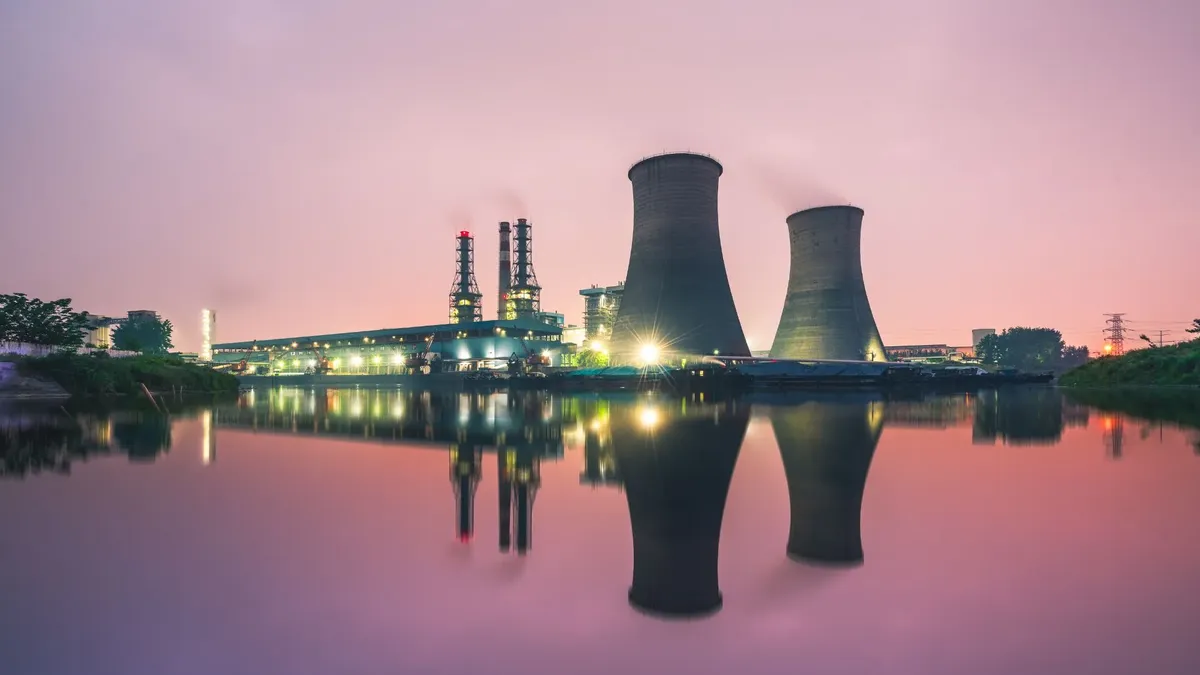
Unlike traditional nuclear reactors, the PFBR is designed to produce more fuel than it uses. It runs on a mix of uranium-238 and plutonium-239 and uses liquid sodium to cool the system. This setup allows the reactor to create new fissile fuel while it operates.
We're a new kind of news feed.
Regular news is designed to drain you. We're a non-profit built to restore you. Every story we publish is scored for impact, progress, and hope.
Start Your News DetoxExperts say this ability is key for long-term nuclear energy programs. The Indira Gandhi Centre for Atomic Research designed the reactor, and Bharatiya Nabhikiya Vidyut Nigam Limited (BHAVINI) built it. Both are part of India’s Department of Atomic Energy.
The project started in 2004 and faced some delays and cost increases. Engineers even had to change the fuel handling system due to technical issues.
A Shift Towards Thorium
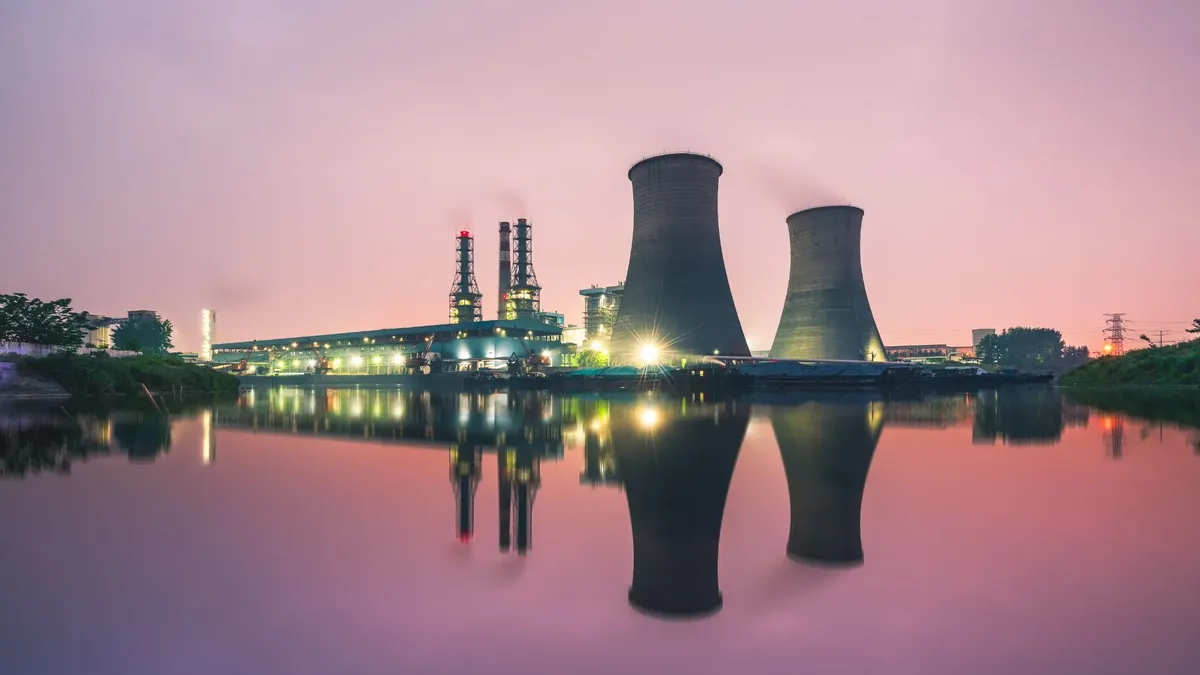
India's nuclear program has different stages because its uranium reserves are limited. Fast breeder reactors are central to the second stage of this plan. The PFBR is expected to create fissile material that will help India move to using thorium as fuel in the future. India has some of the world's largest thorium reserves, making this a very important strategic move.
Officials see the reactor as a way to bridge the gap between current uranium-based systems and a more sustainable future powered by thorium. This change could boost India's energy security and reduce its need to import nuclear fuel. Plans to build more breeder reactors in Kalpakkam show India's commitment to expanding this technology.
What's Next for the Reactor
Reaching criticality does not mean the reactor is immediately ready to produce electricity at full power. It marks the start of a gradual process. Operators will slowly increase power levels and perform detailed checks to make sure everything works safely and within engineering limits.
Before criticality, teams loaded the fuel and ran many low-power tests to confirm the system's behavior. Regulators approved each step. In nuclear terms, criticality means the chain reaction can sustain itself in a controlled way. Full power generation will only happen after several months of testing, adjustments, and regulatory reviews.