A team at Johannes Gutenberg University Mainz has figured out how to pull two valuable products from glycerol—a sticky waste byproduct of biodiesel production—using nothing but electricity and water. The result: hydrogen for fuel, and formate, a chemical building block the industry currently extracts from oil.
The breakthrough matters because formate production is normally a carbon-heavy process. Refineries pump out CO₂ to make it. This new method, published in Advanced Energy Materials, skips that entirely. Use renewable electricity, and the whole chain becomes carbon-neutral.
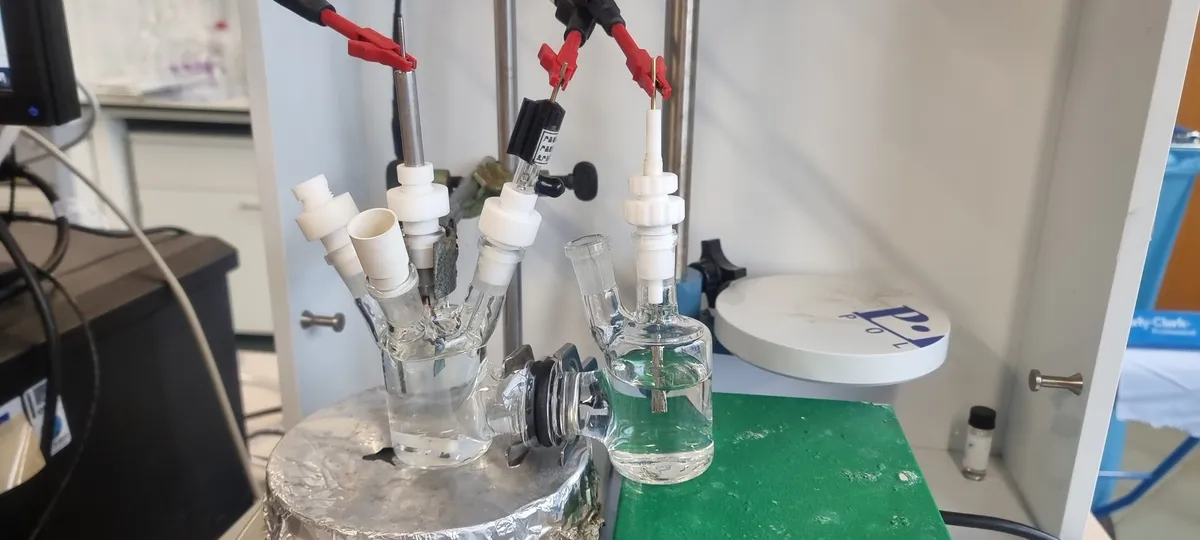
Here's how it works: standard water electrolysis splits H₂O into hydrogen and oxygen using an electric current. The Mainz team added glycerol to the mix—something most processes would discard—and swapped out the oxygen product for formate instead. Two useful things from one waste stream.
We're a new kind of news feed.
Regular news is designed to drain you. We're a non-profit built to restore you. Every story we publish is scored for impact, progress, and hope.
Start Your News DetoxThe Catalyst That Makes It Possible
The engineering challenge was the catalyst—the material that makes the chemical reaction happen efficiently. Professor Carsten Streb's team developed one by pairing copper with palladium at the molecular level, creating a surface where the right reactions occur. "We have not only managed to create this catalyst, but already have a very good idea what the material does and how we can optimize its operation," Streb said.
That last part matters. The team isn't sitting on a finished product; they're already mapping the next steps. Palladium is expensive, so they're hunting for cheaper metals that could do the same job. They're also exploring whether formate could be converted into methanol—a chemical with far larger industrial demand—which would make the entire process even more economically viable.
The timeline from lab discovery to industrial scale is usually measured in years, not months. But the fact that researchers understand why their catalyst works, and have a clear roadmap for improvement, suggests this isn't theoretical anymore. Glycerol is abundant and currently underutilized. Renewable electricity is getting cheaper. The pieces are aligning.