Beneath your feet, in the vast underground reservoirs that supply drinking water to billions of people, an entire ecosystem is at work. Microbes break down nutrients, cycle carbon and nitrogen, keep the system alive. Until now, nobody really understood what viruses were doing down there—or even how many existed.
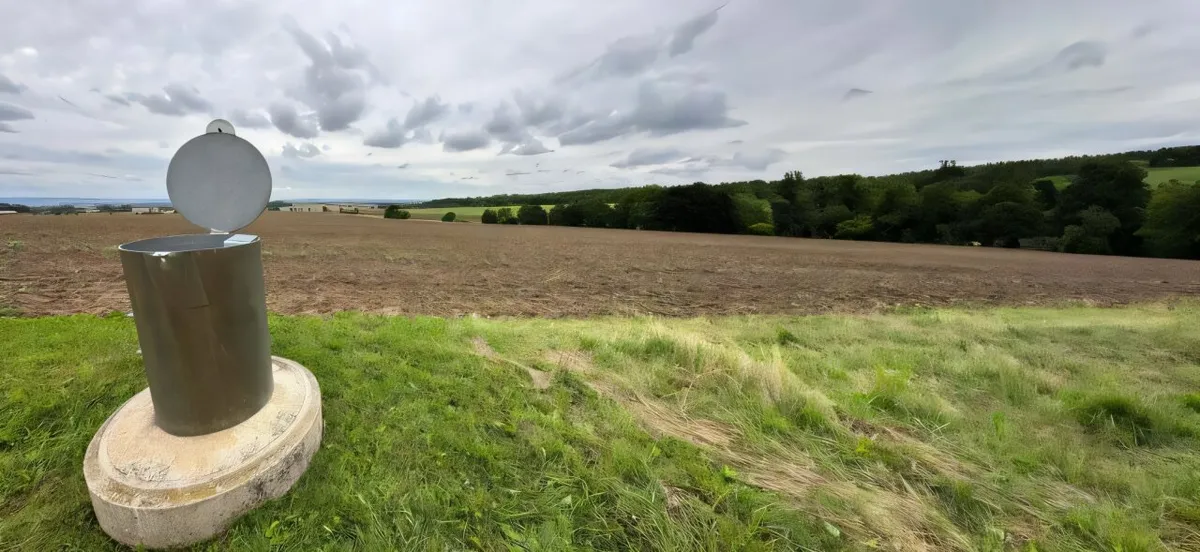
An international team of researchers just changed that. By analyzing genetic data from seven groundwater wells in central Germany, they identified over 257,000 different viruses at the species level. Nearly all of them were unknown to science.
"We were surprised by how many viruses carried genes that could directly reprogram their microbial hosts," says Akbar Adjie Pratama, the study's lead author. These genes—called auxiliary metabolic genes, or AMGs—don't just infect microbes. They hijack them, rewriting how the host cell processes carbon, nitrogen, and sulfur. In other words, viruses aren't just passengers in groundwater. They're actively steering the chemistry of the entire system.
We're a new kind of news feed.
Regular news is designed to drain you. We're a non-profit built to restore you. Every story we publish is scored for impact, progress, and hope.
Start Your News DetoxThe scale of this discovery matters. The researchers analyzed 1.24 terabases of genetic data—roughly equivalent to sequencing the human genome 400 times over. What emerged was a picture of viruses as integrated players in complex microbial networks, simultaneously controlling multiple organisms and their metabolic pathways. This kind of coordinated viral control was previously only known from extreme environments like acid mines and hot springs. Now we know it's happening in the groundwater beneath ordinary soil.
"Understanding viral roles in these systems is essential for predicting how groundwater ecosystems will react to environmental changes," explains Matthew B. Sullivan, co-author of the study published in Nature Communications. As climate change alters water levels and nutrient flows, knowing how viruses regulate microbial metabolism becomes crucial. Shifts in viral activity could serve as early warning signals for how groundwater systems will respond to stress.
The practical implications extend beyond prediction. Better models of viral nutrient cycling could improve how we manage groundwater reserves globally. It also opens doors to biotechnology—understanding how viruses reprogram metabolism might eventually help us engineer microbial systems for water treatment or other applications.
For now, the research reveals something humbling: the largest freshwater reservoir on Earth hosts a hidden world of microbial and viral interactions we're only beginning to understand. And those interactions shape whether our groundwater stays healthy or degrades.