Earth got lucky. Not in the way you might think—not in landing the right distance from the sun or catching a moon-forming collision. But in something far more fundamental: the precise amount of oxygen present when the planet was still molten rock, billions of years ago.
Two elements are non-negotiable for life as we know it. Phosphorus is woven into DNA and RNA, the molecules that carry genetic instructions, and it powers the energy systems inside cells. Nitrogen is the backbone of proteins, which build and maintain every living structure. Without both in sufficient quantities on a planet's surface, biology simply doesn't get started.
But here's where it gets precarious. When a young rocky planet forms, gravity sorts the elements like a cosmic sieve. Dense metals sink toward the core. Lighter materials float upward to form the mantle and crust. The catch: oxygen acts as a chemical traffic controller during this sorting process. Too little oxygen during core formation, and phosphorus bonds with iron and other heavy metals, sinking into the core where it becomes unreachable. Too much oxygen, and phosphorus stays put in the mantle—but nitrogen escapes into the atmosphere and eventually bleeds away into space. Protecting one life-critical element means risking the other.
We're a new kind of news feed.
Regular news is designed to drain you. We're a non-profit built to restore you. Every story we publish is scored for impact, progress, and hope.
Start Your News DetoxThe Goldilocks Zone Nobody Knew About
Using extensive computer models, researchers at ETH Zurich found something striking: there's only a narrow window of oxygen conditions where both phosphorus and nitrogen remain available in the mantle in quantities sufficient for life to emerge. They call it the chemical Goldilocks zone.
"Our models clearly show that the Earth is precisely within this range," says researcher Walton. "If we had just a little more or a little less oxygen during core formation, there would not have been enough phosphorus or nitrogen for the development of life."
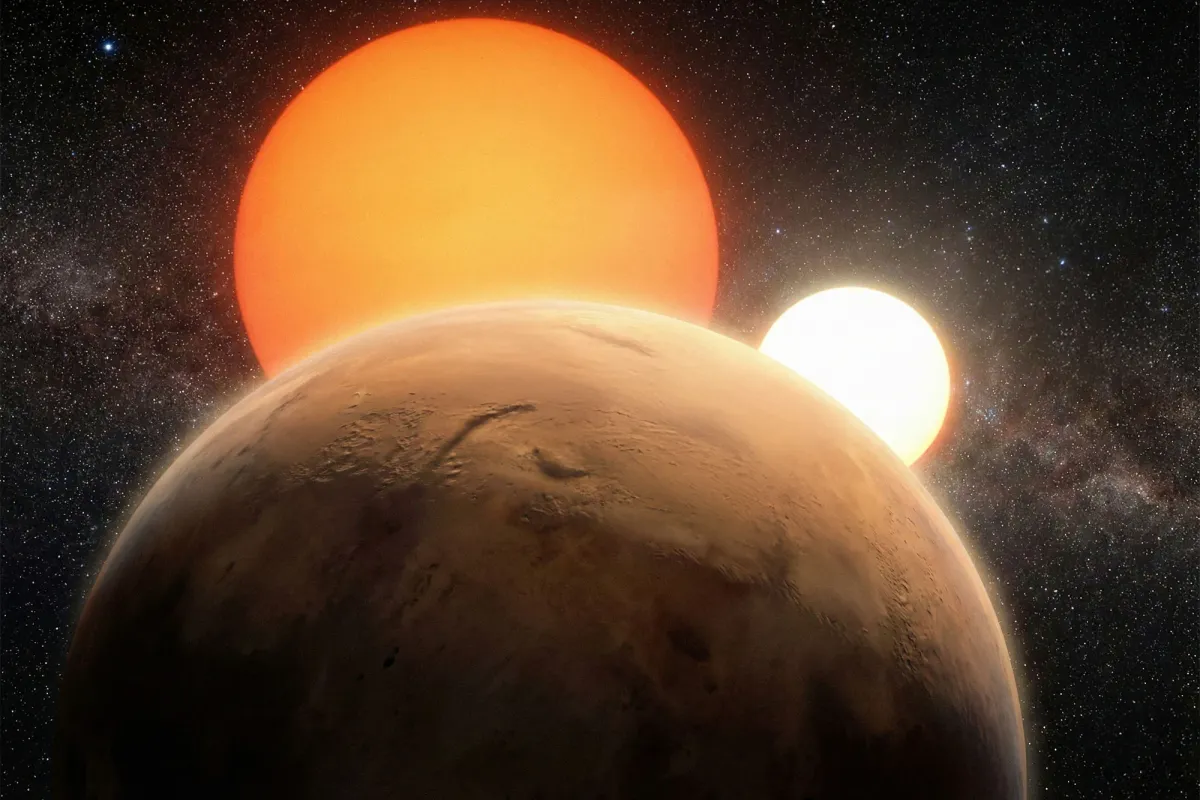
Mars, by comparison, formed under different conditions. Its oxygen levels during formation fell outside this narrow zone. The result: more phosphorus in the mantle than Earth has, but significantly less nitrogen. A chemistry that would have been far less hospitable to life.
This discovery reshapes how scientists think about hunting for life beyond Earth. For decades, the focus has been straightforward: find water, find potential life. But water alone tells an incomplete story. A planet could have oceans, stable temperatures, and all the surface conditions that seem right—and still be chemically dead from the moment it formed.
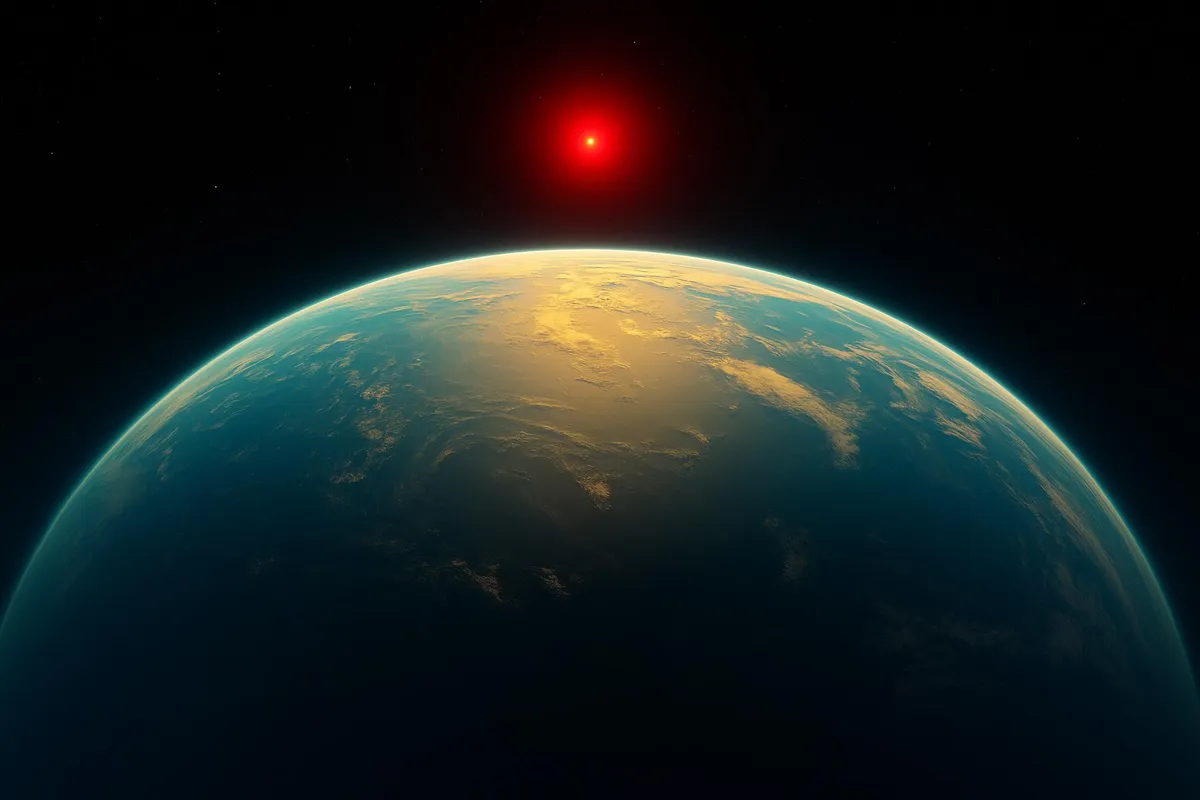
The oxygen conditions during planetary formation depend on the chemical makeup of the host star. Stars shape their entire planetary systems, since planets form from the same material as their parent star. This means solar systems with significantly different chemistry than our own are unlikely to harbor life, even if they look promising at first glance.
"This makes searching for life on other planets a lot more specific," Walton notes. "We should look for solar systems with stars that resemble our own Sun."
The implication is quietly profound: the conditions that made Earth habitable weren't just rare. They were almost impossibly precise. And now we know what to look for when we search for them elsewhere.