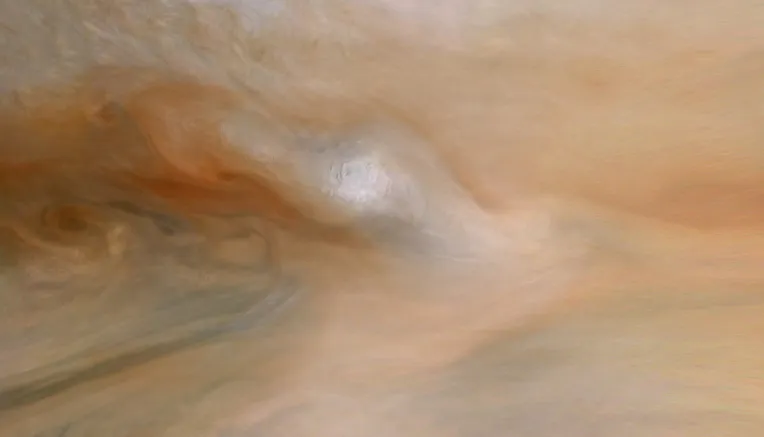
Get this: lightning bolts on Jupiter are not just big, they're wildly powerful. We're talking flashes over 100 times stronger than anything we see on Earth. Some might even be a million times more intense. This isn't just a cool fact; it's a huge step in understanding how storms work, both out there and right here at home.
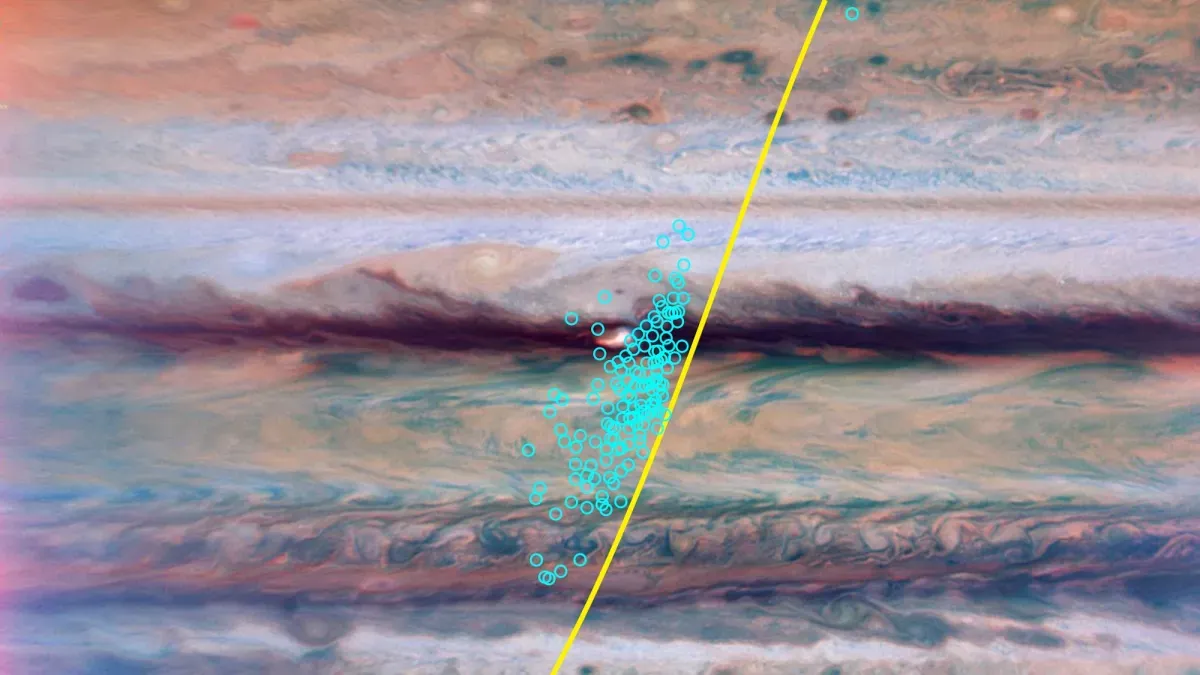
Scientists at UC Berkeley just dropped this discovery. They used NASA's Juno spacecraft, which has been circling Jupiter since 2016. Juno has a special tool that can "hear" the radio crackle of lightning, even through thick clouds.
Before, it was tough to tell which storm was zapping because Jupiter's atmosphere is always churning. But in 2021 and 2022, things got quiet in one area. This let scientist Michael Wong and his team pinpoint "stealth superstorms." These storms might not look huge from the outside, but they pack a serious punch.
We're a new kind of news feed.
Regular news is designed to drain you. We're a non-profit built to restore you. Every story we publish is scored for impact, progress, and hope.
Start Your News Detox .](https:
Jupiter's storms are also over 100 kilometers tall. Earth's are only about 10 kilometers. This massive height, plus the weird atmospheric mix, means Jupiter's lightning is on a whole different level. It's a peek into extreme weather that could change how we think about storms everywhere.