In news that sounds straight out of a particularly ambitious B-movie, scientists have successfully created a mouse whose brain cortex is largely made of human cells. Yes, you read that right. And the hybrid rodent actually got smarter.
This isn't just a mad science experiment; it's a groundbreaking step toward understanding and potentially treating brain injuries in entirely new ways. Because apparently that's where we are now.
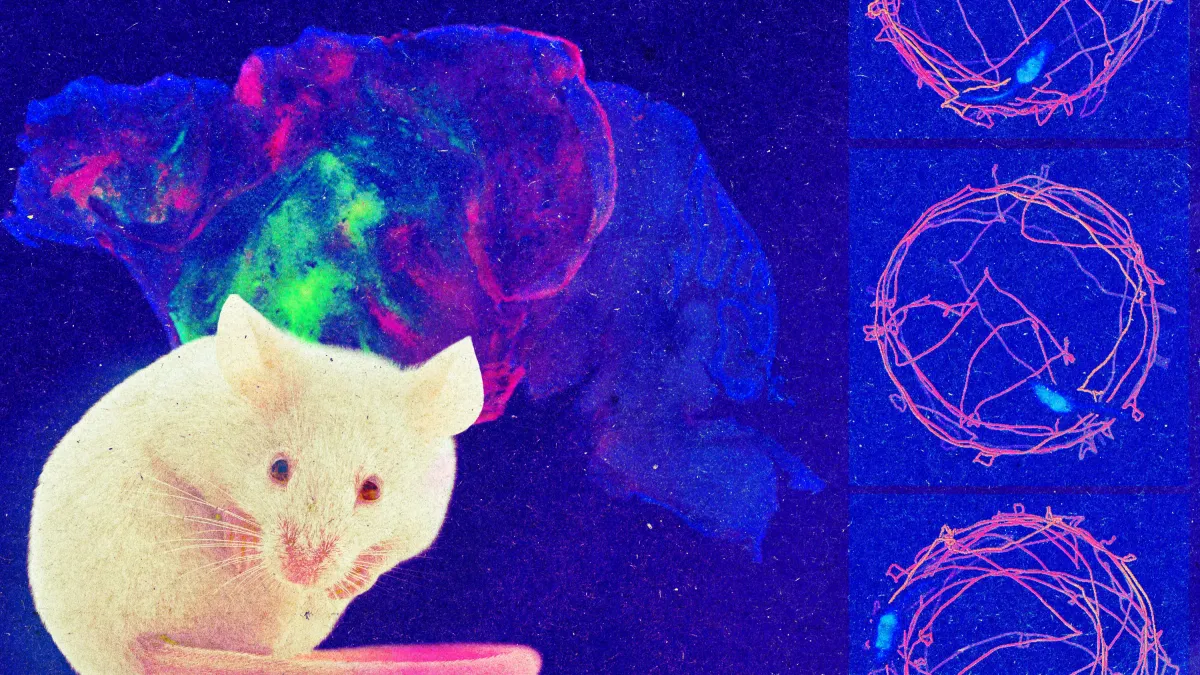
The Ultimate Brain Transplant
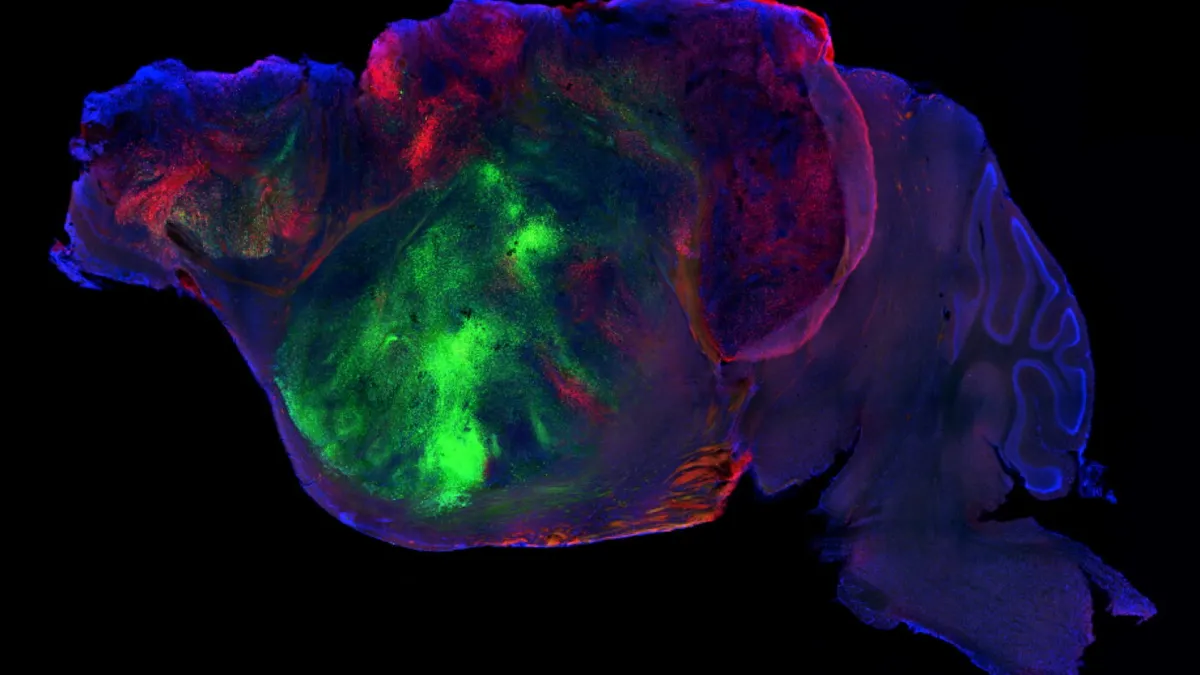
The team at Stanford University, led by neuroscientist Sergiu Pașca, published their slightly unsettling, utterly fascinating findings in the journal Nature. They managed to replace nearly half of a mouse's brain with human cells. Let that sink in.
We're a new kind of news feed.
Regular news is designed to drain you. We're a non-profit built to restore you. Every story we publish is scored for impact, progress, and hope.
Start Your News DetoxPreviously, Pașca's group had shown that human brain "organoids"—think tiny, lab-grown blobs of neural tissue—could survive when injected into baby rodents. Now, they've cranked it up a notch.
They essentially gave mice a genetic head start, modifying them so their brains wouldn't fully develop. These mice were missing most of the cells in their cortex and hippocampus (key areas for, you know, thinking and memory), creating prime real estate for human cells to move in.
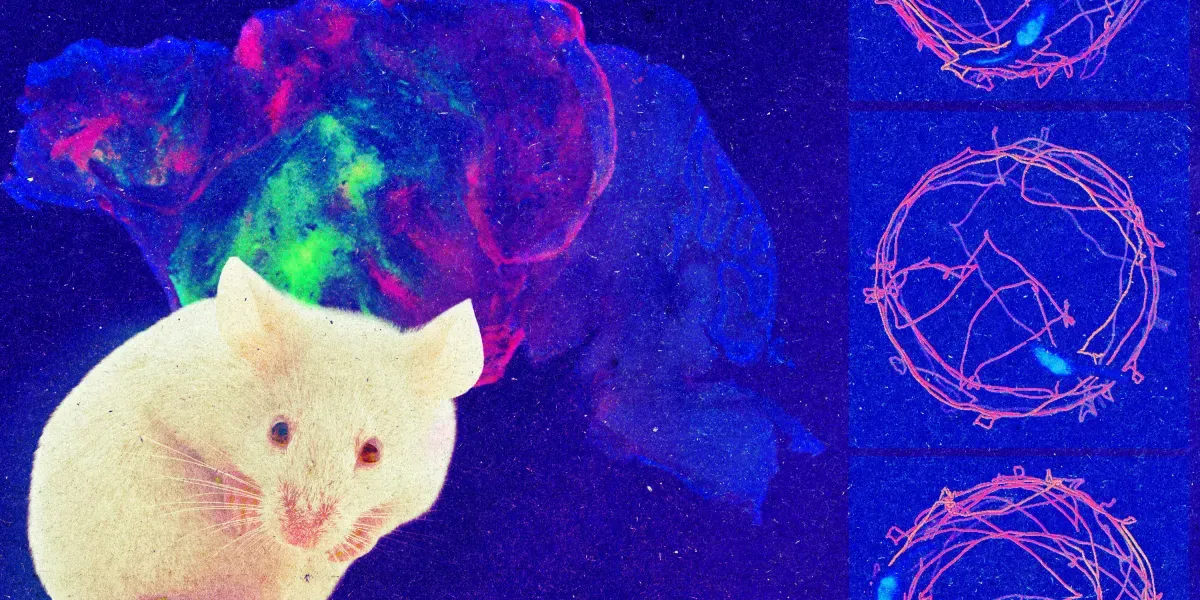
Pașca explained that these human cells then divided and grew, filling most of the empty space within weeks to months. The mice without brain tissue seemed fairly normal outwardly—walking, squeaking—but had noticeable memory issues. They couldn't recall parts of a maze they'd just explored. Which, for a mouse, is basically their entire life's ambition.
Then came the human cells. Mice with the added human tissue performed better on the maze tests, suggesting the human tissue was doing some heavy lifting in the animal's cognitive abilities. Suddenly, the mouse is outsmarting its maze designer.
Ethics and the Future of Brains
Pașca believes these "xenocortical mice" (yes, that's their official, slightly sci-fi name) could be invaluable for studying brain injuries. Carsten Charlesworth, another Stanford scientist not involved in the research, called it a "dramatic demonstration of the combined power of genetic engineering and stem-cell technology to reshape biology." He also noted the remarkable fact that human neural tissue, introduced after birth, actually connected with the mouse nervous system across species.
Brain organoids are already being hooked up to computers to play video games. Some scientists are even proposing using them to treat stroke victims. It's a lot to process.
Last year, Pașca wisely gathered ethics experts to discuss the implications. They pondered whether an animal could develop human consciousness (because, of course) and the risk of "organoid therapy clinics" offering fake treatments. Because if there's a quick buck to be made, someone will try.
For now, Pașca isn't losing sleep over these rodents suddenly quoting Shakespeare. Their brains are tiny, and humans and mice are, evolutionarily speaking, not exactly close cousins. However, he was very clear: this type of experiment should not be attempted on higher species. No human brain organoids in a monkey engineered to lack a cortex, thank you very much. Some lines, apparently, are still worth drawing.