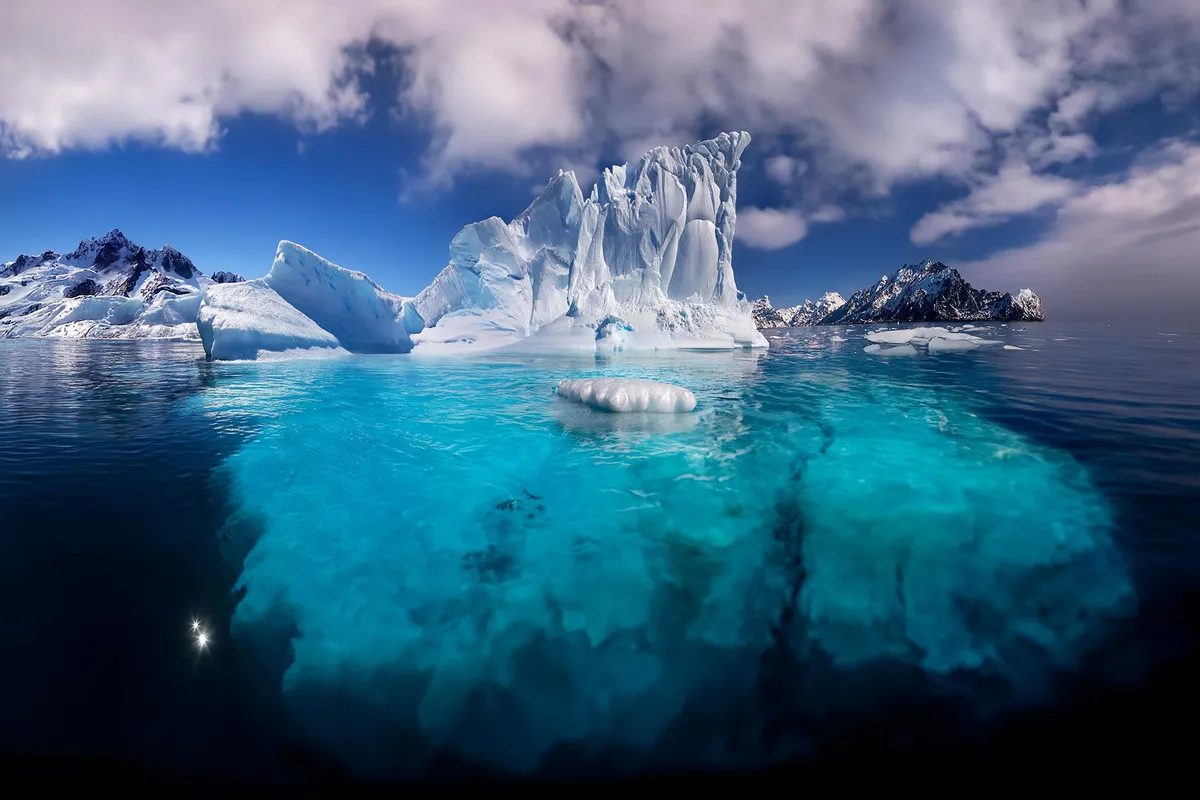
Scientists drilling into ancient ocean sediments off Antarctica just uncovered something that flips a long-held assumption about how melting ice affects Earth's carbon cycle. When West Antarctica's ice sheet retreated in the past, it released massive amounts of iron into the Southern Ocean—but the algae didn't respond the way researchers expected.
A study published in Nature Geoscience examined a sediment core pulled from more than three miles below the Pacific sector of the Southern Ocean. The researchers found that even when iron levels spiked (delivered by icebergs breaking away from West Antarctica), algae growth stayed flat. The puzzle: why wasn't iron doing what iron is supposed to do?
The answer lies in chemistry. The iron being delivered by those icebergs wasn't fresh and reactive. Instead, it was heavily weathered—chemically altered over thousands of years by exposure to air and water. Algae can't easily use weathered iron the way they use freshly exposed minerals. "What matters here is not just how much iron enters the ocean, but the chemical form it takes," explains researcher Gerrit Winckler. "These results show that iron delivered by icebergs can be far less bioavailable than previously assumed."
We're a new kind of news feed.
Regular news is designed to drain you. We're a non-profit built to restore you. Every story we publish is scored for impact, progress, and hope.
Start Your News Detox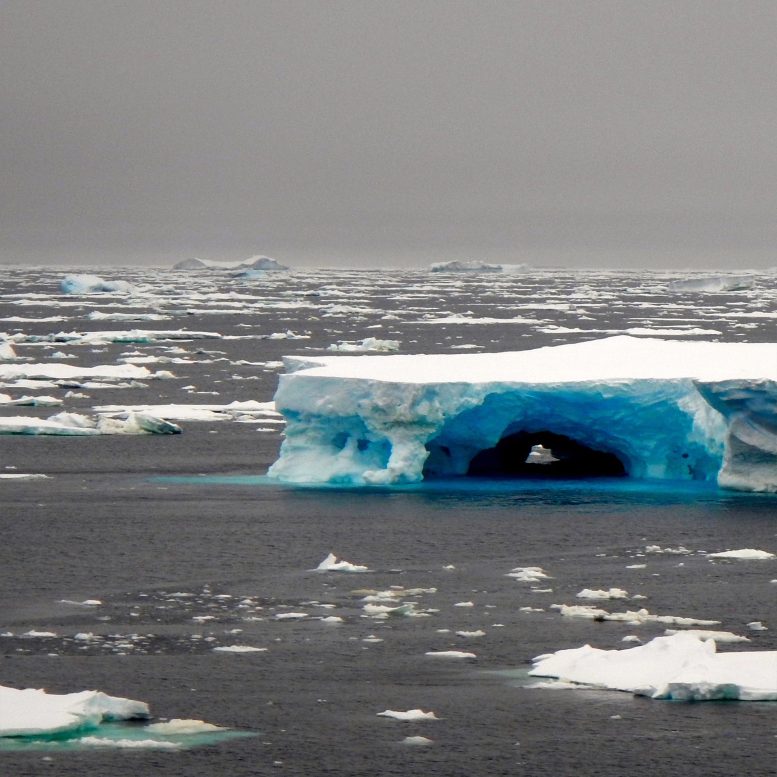
This matters because iron is usually the nutrient that limits algae growth in Antarctic waters. More algae means more photosynthesis, which means more carbon dioxide pulled from the atmosphere. During past ice ages, scientists knew this process helped cool the planet. But the new findings suggest the picture is more complicated—especially in the waters directly south of Antarctica.
The research team traced the iron back to its source: weathered bedrock beneath the West Antarctic Ice Sheet. When the ice retreated during warmer periods (like the last interglacial 130,000 years ago, when temperatures matched today's), icebergs scraped this old, chemically altered rock and carried it north. Despite the iron influx, the ocean's biological productivity remained low.
Here's where the concern emerges. As global warming continues, the West Antarctic Ice Sheet is already thinning. Further retreat could recreate those past conditions—more icebergs, more weathered iron, but less algae growth and weaker carbon uptake. That's a feedback loop that could amplify warming rather than offset it. "Based on what we know so far, the ice sheet is not likely to collapse in the near future, but we can see that the ice there is already thinning," says researcher Torben Struve.
The study doesn't predict catastrophe tomorrow. But it does reveal that the ocean's response to melting ice is far more nuanced than the simple "more iron equals more algae" story. As West Antarctica continues to change, understanding these chemical details may become crucial to modeling how Earth's climate system actually responds.