A research team in Shenzhen just compressed what typically takes years of lab work into single afternoons. They built MARS—a system that pairs AI language models with actual robots to discover and optimize new materials autonomously, from initial idea through final experiment.
Traditional materials discovery is brutal: researchers spend months or years testing variations, interpreting results, designing new experiments, running them, then starting over. It's methodical but slow. The bottleneck isn't the science—it's the cycle time between thinking of a hypothesis and getting data back.
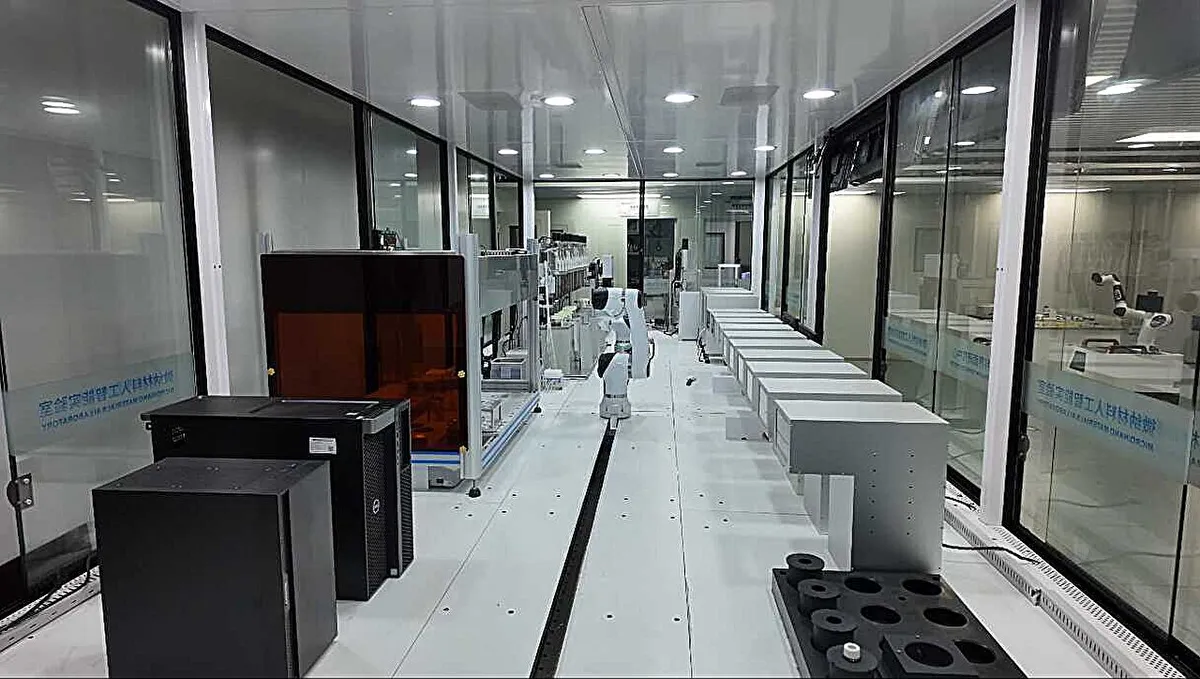
MARs, developed by Prof. Yu Xuefeng's team at the Shenzhen Institute of Advanced Technology, breaks that cycle by having AI agents handle the reasoning and coordination while robots handle the actual lab work. Think of it as a digital research team that never sleeps and doesn't get bored running the 50th iteration of an experiment.
We're a new kind of news feed.
Regular news is designed to drain you. We're a non-profit built to restore you. Every story we publish is scored for impact, progress, and hope.
Start Your News DetoxHow it actually works
The system isn't one AI doing everything. Instead, it's 19 specialized AI agents organized into five functional groups, each mimicking a different role in a real lab. An Orchestrator agent manages the overall task. A Scientist Group retrieves knowledge and designs solutions. An Engineer Group converts those designs into step-by-step protocols robots can execute. An Executor Group controls the actual robotic platforms. And an Analyst Group interprets the data and suggests the next experiment.
This structure matters because it lets each agent focus on what it's good at, rather than forcing one general AI to handle everything. It also reduces the "hallucination" problem—where AI confidently invents information—by grounding each agent's reasoning in real domain-specific tools and retrieval systems.
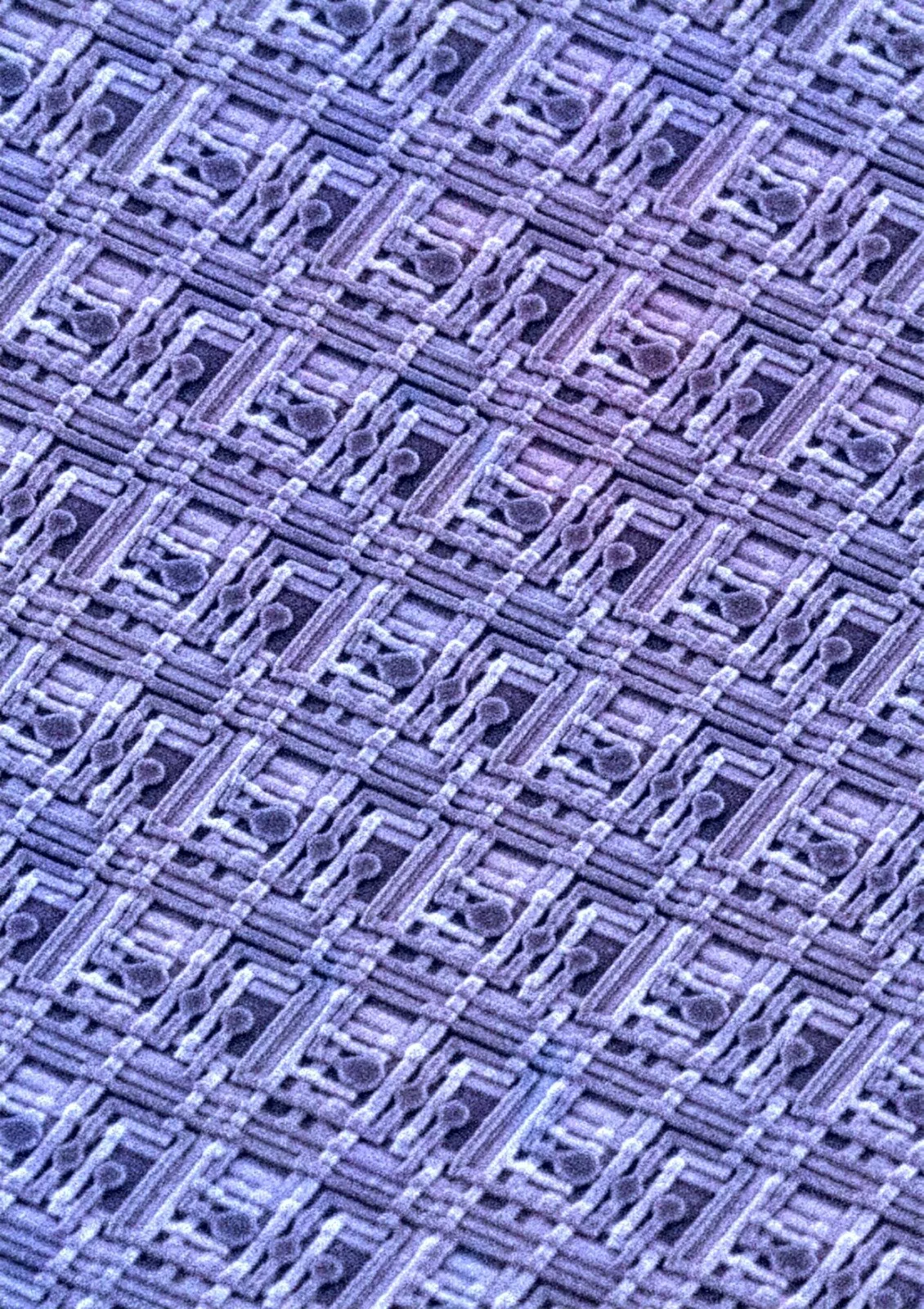
In tests, MARS optimized the synthesis of perovskite nanocrystals (materials with potential applications in solar cells and displays) in just 10 iterations. It then designed a new "core-shell-corona" structure for water-stable perovskite composites in 3.5 hours. Both achievements would normally take weeks of human-led experimentation.
The real significance here isn't that AI is replacing materials scientists. It's that it's removing the friction from the discovery process. Researchers can now spend their time on the creative, intuitive parts—asking which materials might solve a problem, designing novel structures—while the system handles the repetitive experimental validation that used to consume most of their calendar.
This kind of acceleration matters for climate tech, battery development, and any field where material properties are the limiting factor. The faster you can test ideas, the faster innovation compounds.