Imagine a creature that swam the oceans before the dinosaurs even thought about going extinct. Now imagine that same creature, a massive, mysterious shark, just cruising around in the waters off Seattle.
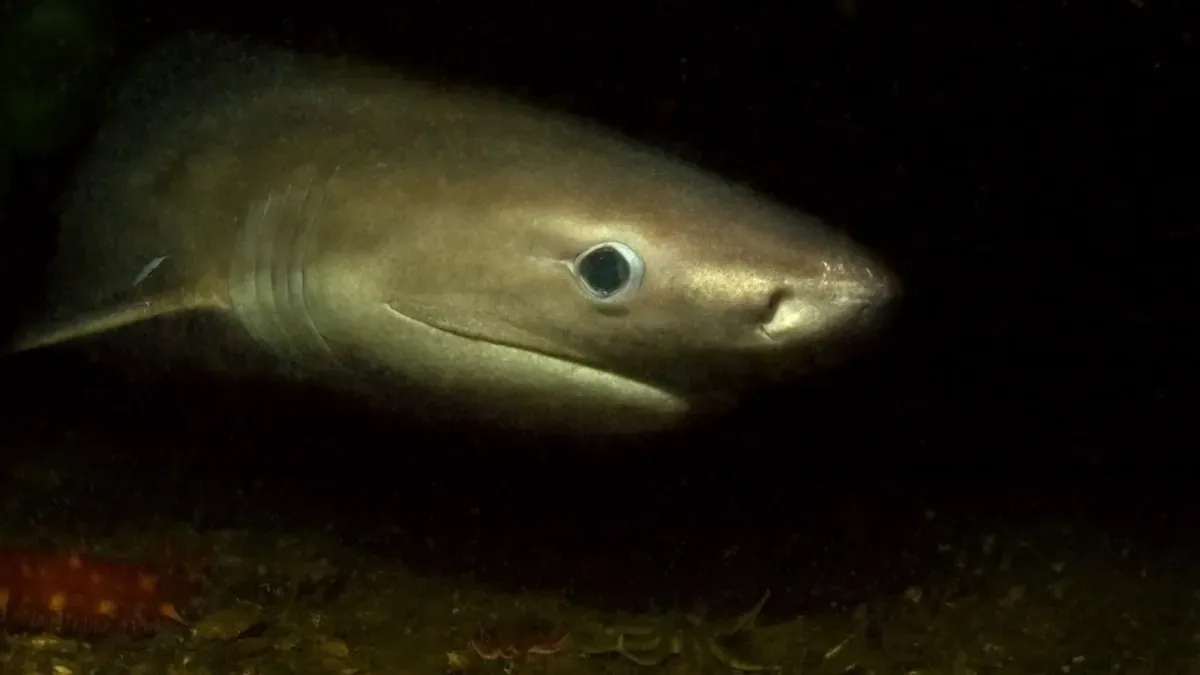
Meet Hexanchus griseus, better known as the sixgill shark. Most sharks get by with a mere five gill slits, but the sixgill? It went for six, because why not be extra? These things can hit 14 feet long and have been around for, oh, just about 200 million years. And despite their impressive tenure, marine biologists still know surprisingly little about them.
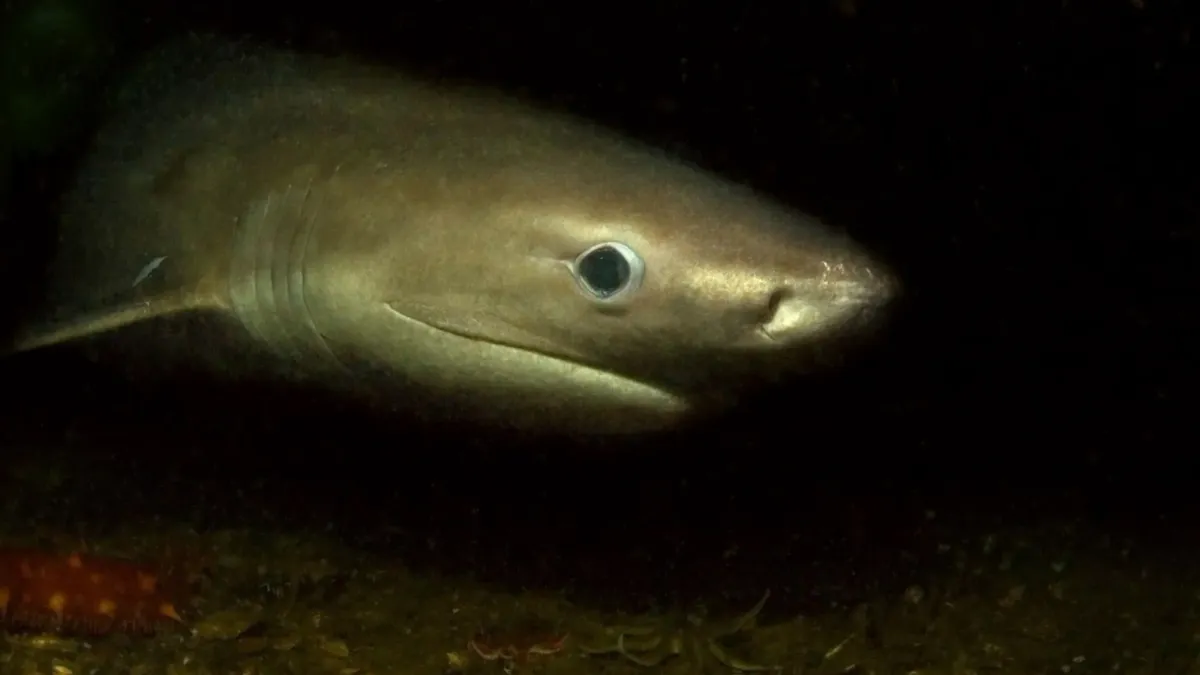
Deep-Sea Giants, Unexpectedly Shallow
The big problem for researchers is that sixgills are usually deep-sea dwellers, preferring the kind of crushing darkness you find at nearly 10,000 feet. Not exactly prime conditions for a casual research dive.
We're a new kind of news feed.
Regular news is designed to drain you. We're a non-profit built to restore you. Every story we publish is scored for impact, progress, and hope.
Start Your News DetoxBut here's the twist: in Washington State's Puget Sound, these ancient leviathans show up year-round, sometimes in waters as shallow as 20 feet. The Seattle Aquarium believes this is where female sixgills come to give birth, returning to the Salish Sea repeatedly to drop off their pups. Puget Sound, it turns out, is a shark nursery. Who knew?
Young sixgills hang out in the southern Salish Sea during the warmer months, then drift north in winter, moving at a leisurely pace of less than two miles a day. They often pop into shallow waters at dusk, probably looking for a snack, before heading back to the depths at dawn. And these consistent patterns? They're a golden ticket for scientists.
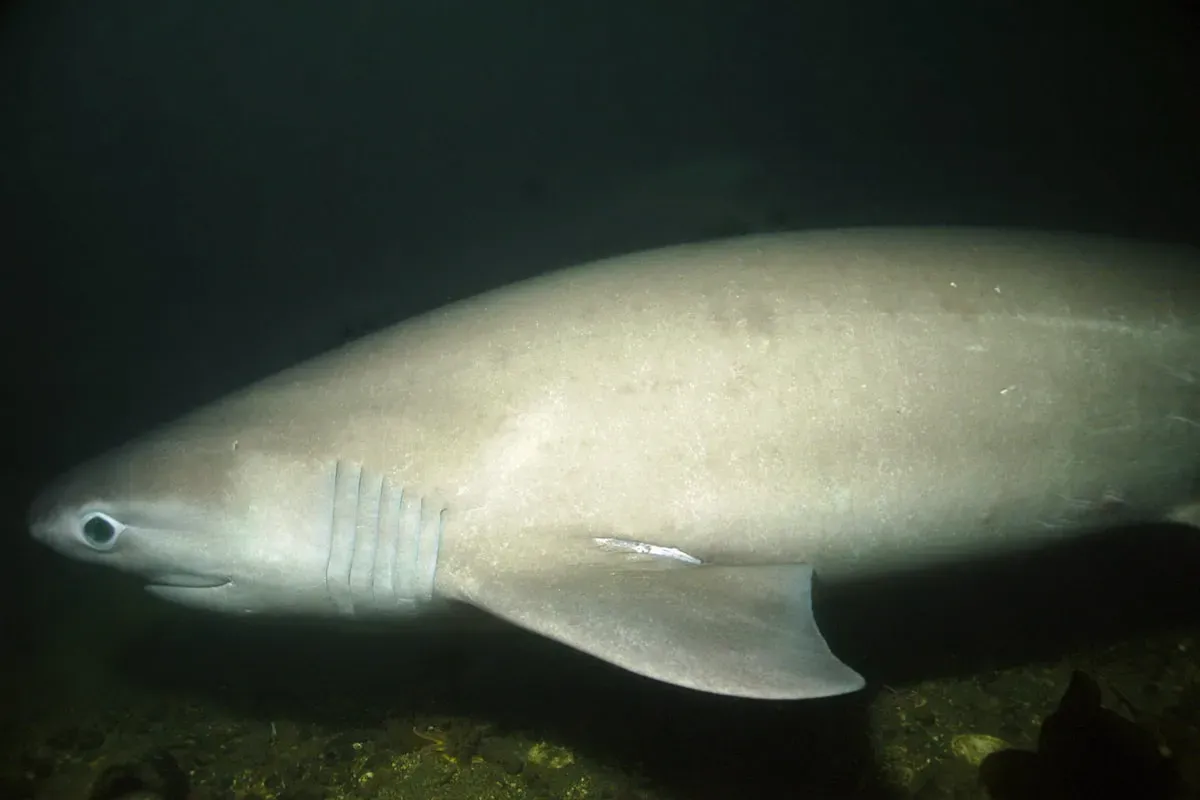
The Seattle Aquarium is seizing the opportunity to unravel the mysteries of these sharks: their migrations, how fast they grow, what's on their dinner menu, and even how human activity might be affecting them.
Shark Science, Safely Executed
From May to September, researchers and vets from the Seattle Aquarium are out on Puget Sound, monthly, at three different locations. They gently bring the sharks to the surface, sometimes even flipping them upside down. This trick, which puts several shark species into a trance-like state, allows the team to work quickly and efficiently, always ensuring the sharks can breathe.
Within five to 10 minutes, the team collects measurements, tissue samples, photos, and attaches wearable tags. These tags are like tiny personal trainers, tracking the sharks' movements, habitat use, and feeding habits. Once the quick check-up is done, the sixgills are back in the water, none the worse for wear.
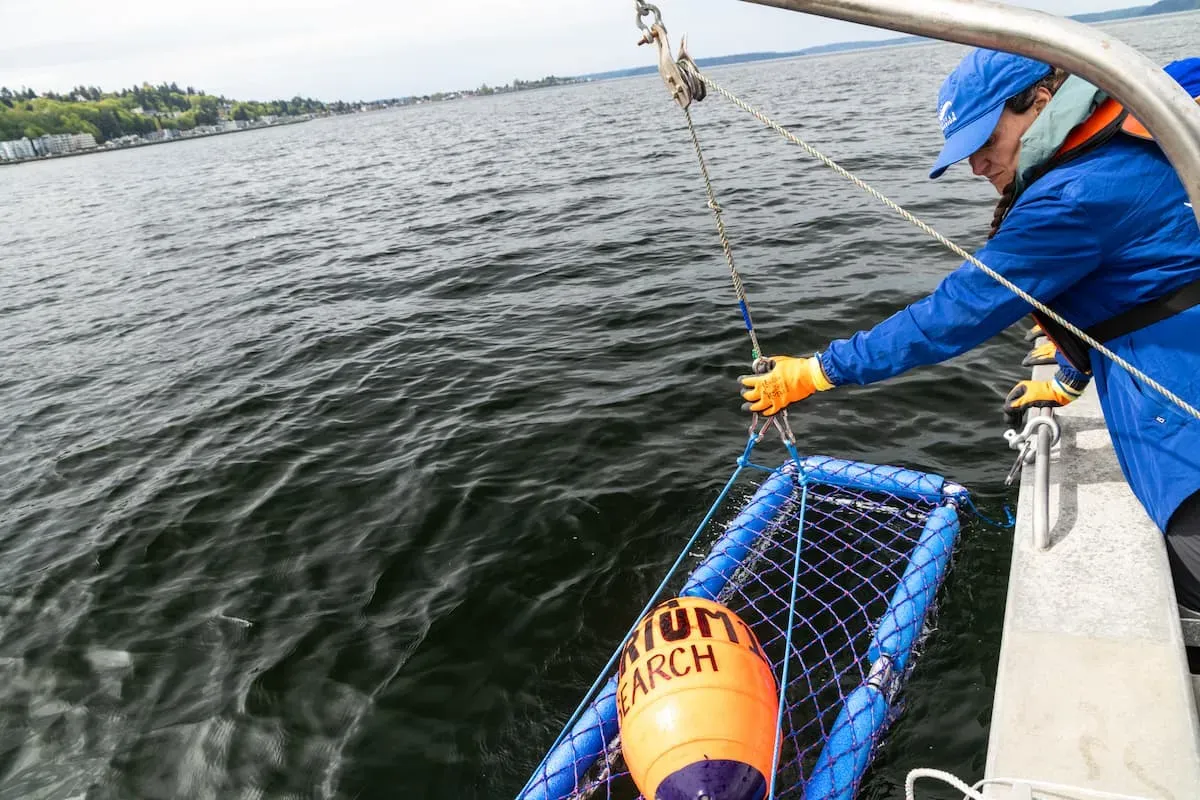
Dani Escontrela, a Seattle Aquarium researcher, says the goal is to answer as many questions as possible. They're collaborating with other agencies like the Washington Department of Fish & Wildlife and Oregon State University's Big Fish Lab, all while keeping the sharks' health and well-being as the absolute top priority. Because apparently, we can have 200-million-year-old giants in our backyard and still treat them with respect. Which, if you think about it, is both impressive and slightly terrifying. You're welcome, like, right there.