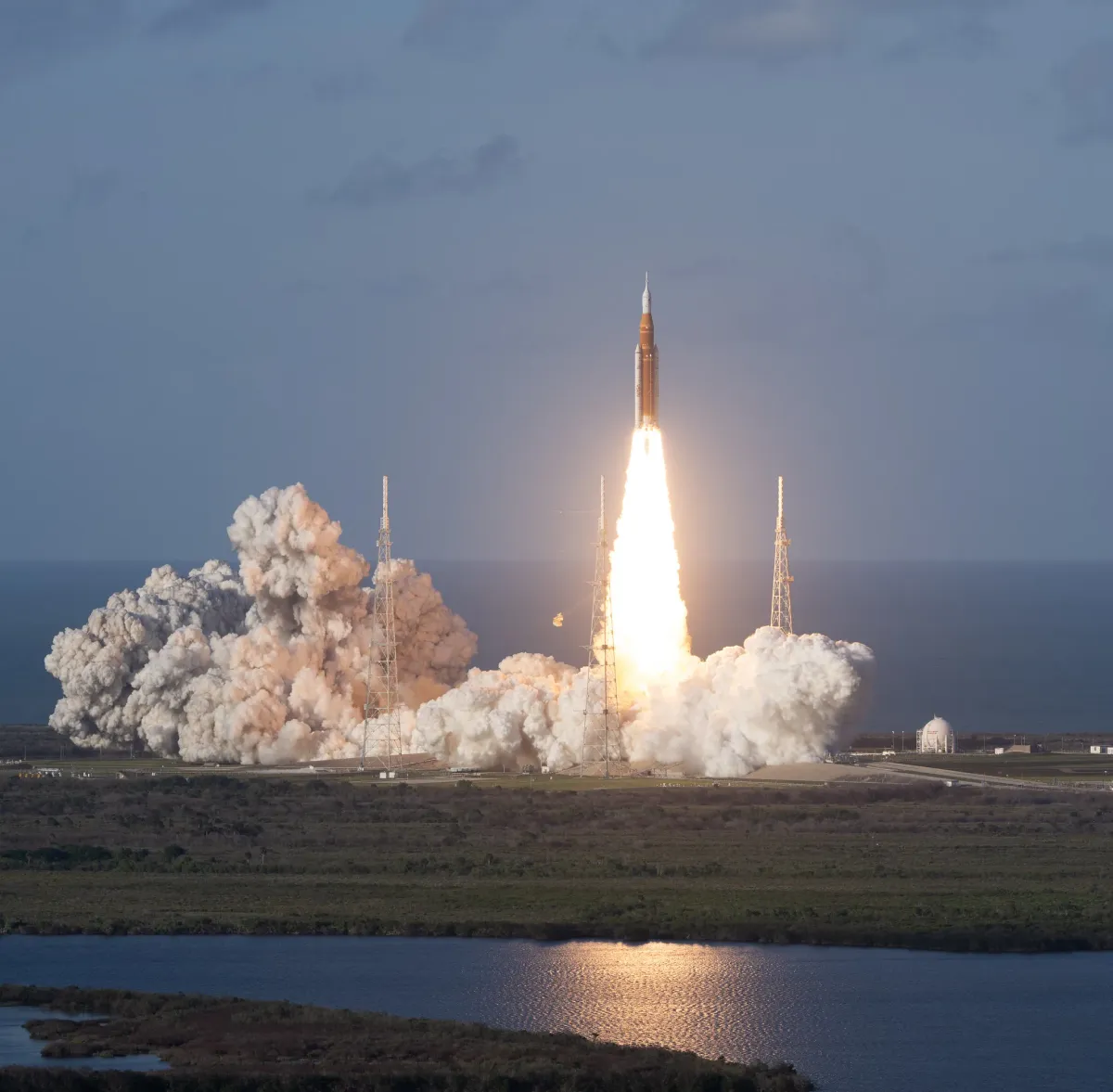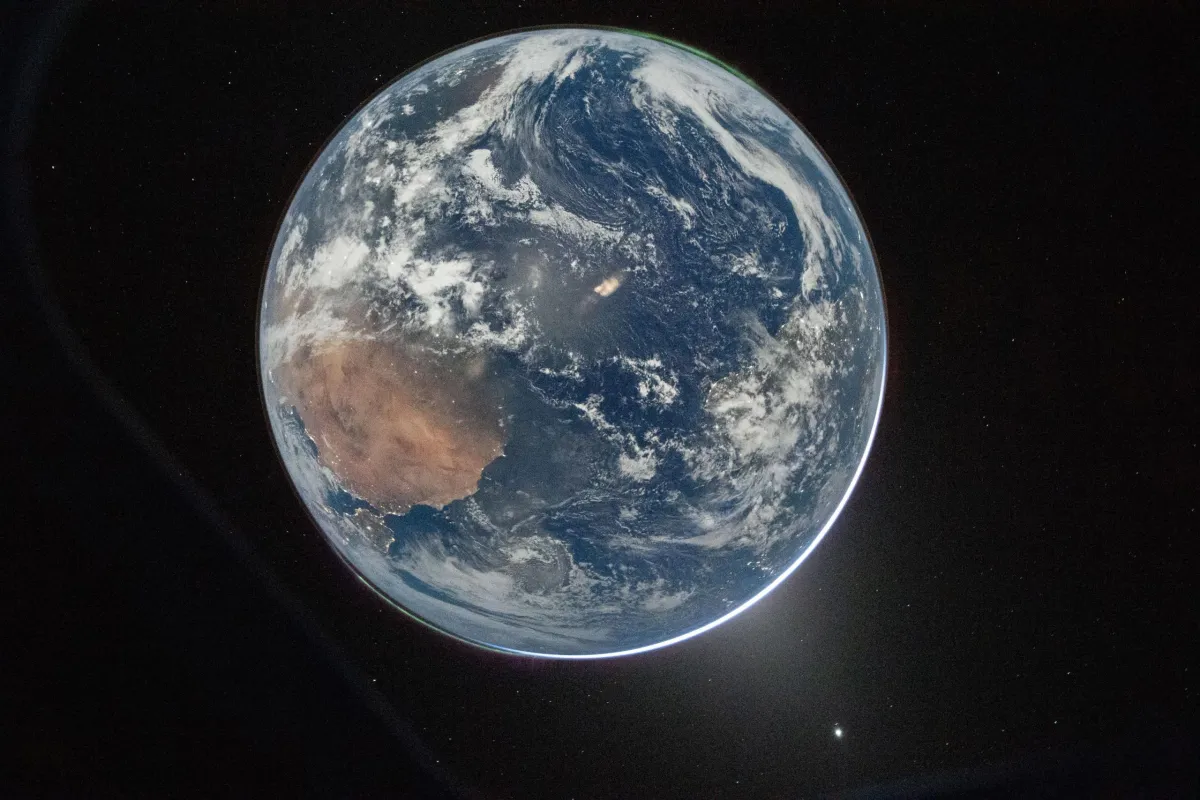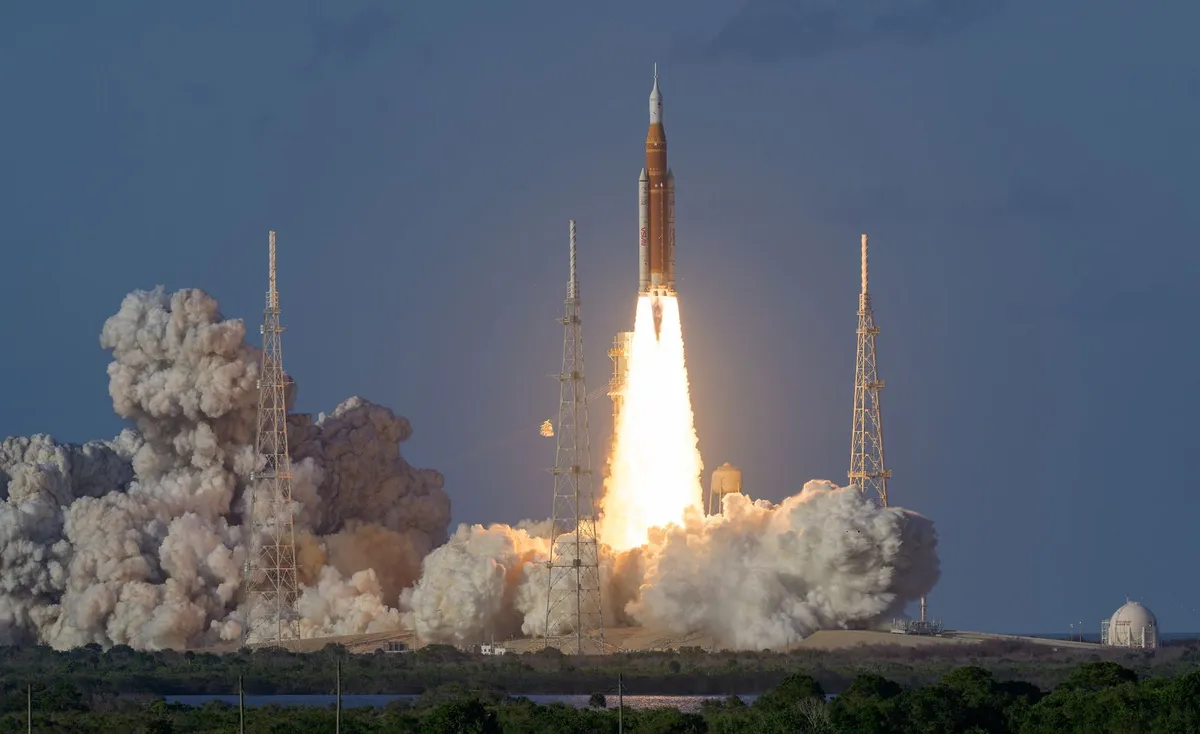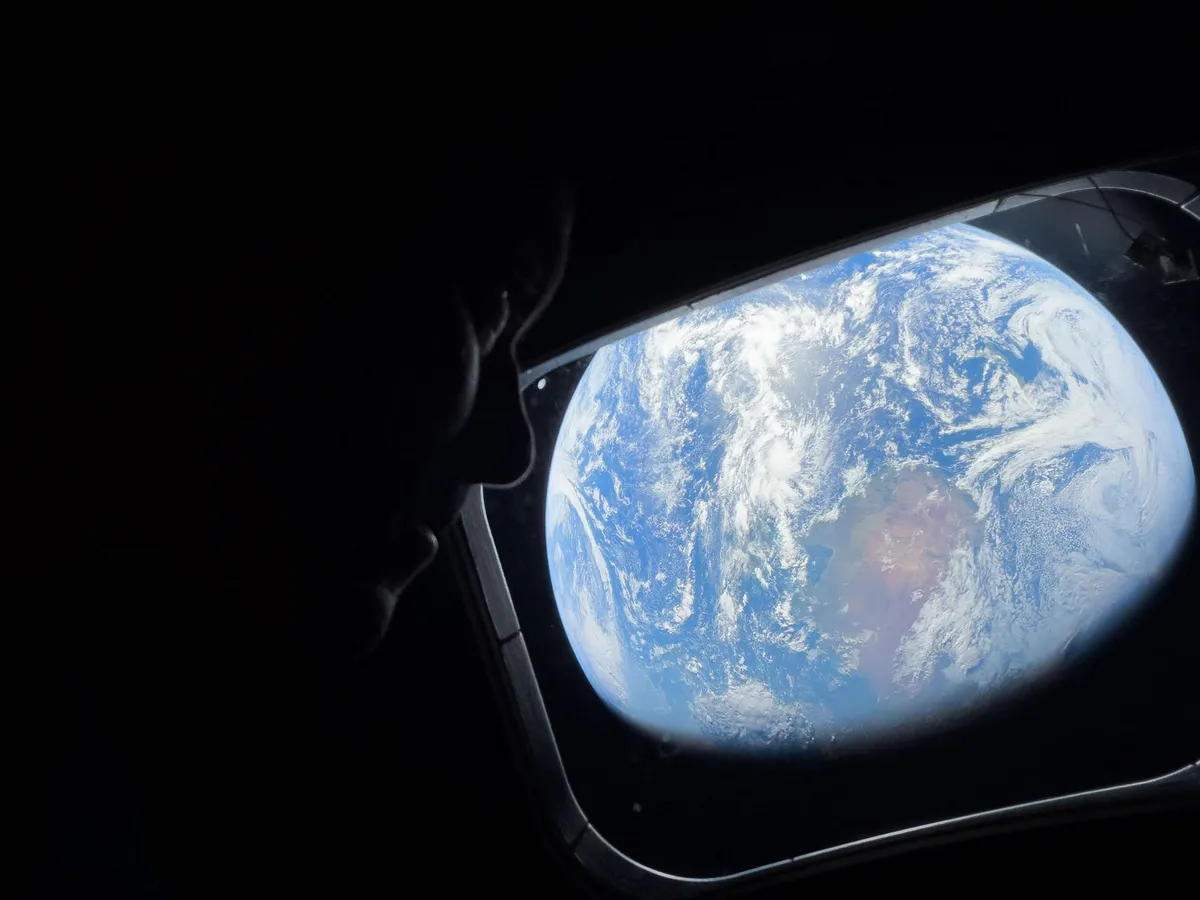
Four astronauts are currently making history, flying around the Moon in NASA's Orion spacecraft. It's the first crewed test flight for the Artemis program, and it's less about planting flags and more about making sure everything works before the next big leap.
NASA astronauts Reid Wiseman, Victor Glover, and Christina Koch, alongside CSA (Canadian Space Agency) astronaut Jeremy Hansen, launched on April 1 at 6:35 p.m. EDT from Florida's Kennedy Space Center. They're basically taking the Orion for a deep-space spin, checking all the systems, from life support to navigation, to ensure it's ready for future lunar residents.
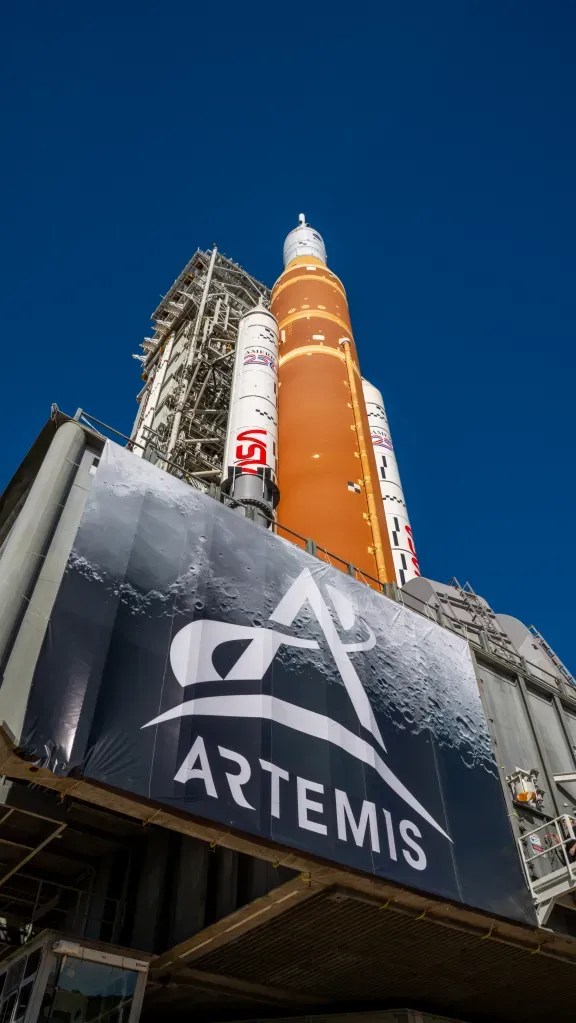
Because apparently, that's where we are now: making sure the Moon has suitable living conditions.
We're a new kind of news feed.
Regular news is designed to drain you. We're a non-profit built to restore you. Every story we publish is scored for impact, progress, and hope.
Start Your News DetoxAround the Moon in 10 Days
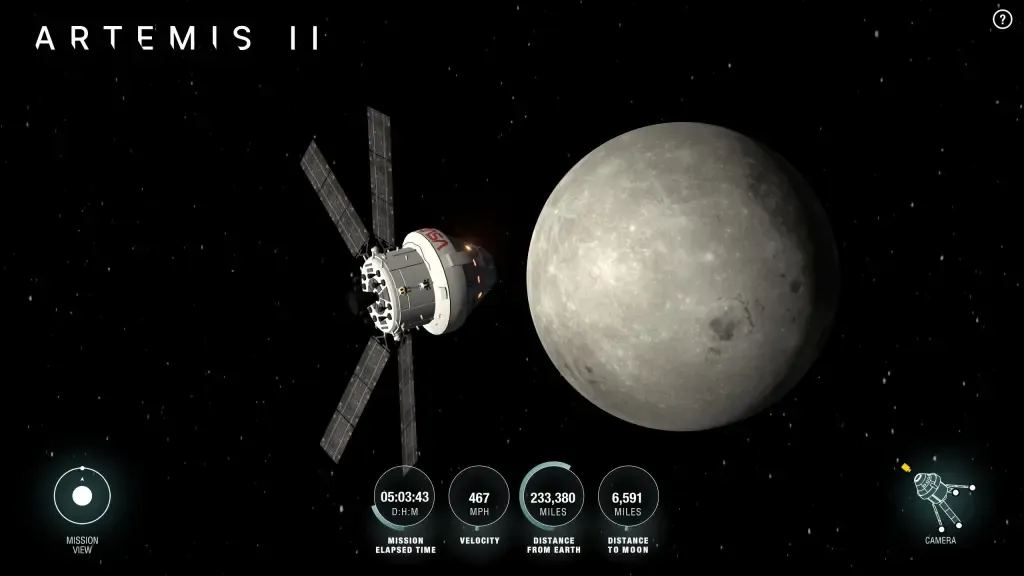
The Artemis II mission is a roughly ten-day journey, culminating in a splashdown near San Diego. The crew is expected to rack up a cool 695,081 miles from launch to landing. For perspective, they'll get within 4,066 miles of the Moon's surface and reach a maximum distance of 252,757 miles from Earth. That's about 4,102 miles farther than Apollo 13 traveled, breaking a record set way back in 1970.
They're not just sight-seeing, though. These astronauts are putting Orion through its paces, manually operating the spacecraft, monitoring automated tasks, and generally making sure everything from the propulsion to the thermal systems is up to snuff. They're also practicing critical tasks like adjusting their path and communicating from lunar distances — all the fun stuff that makes deep space travel possible.
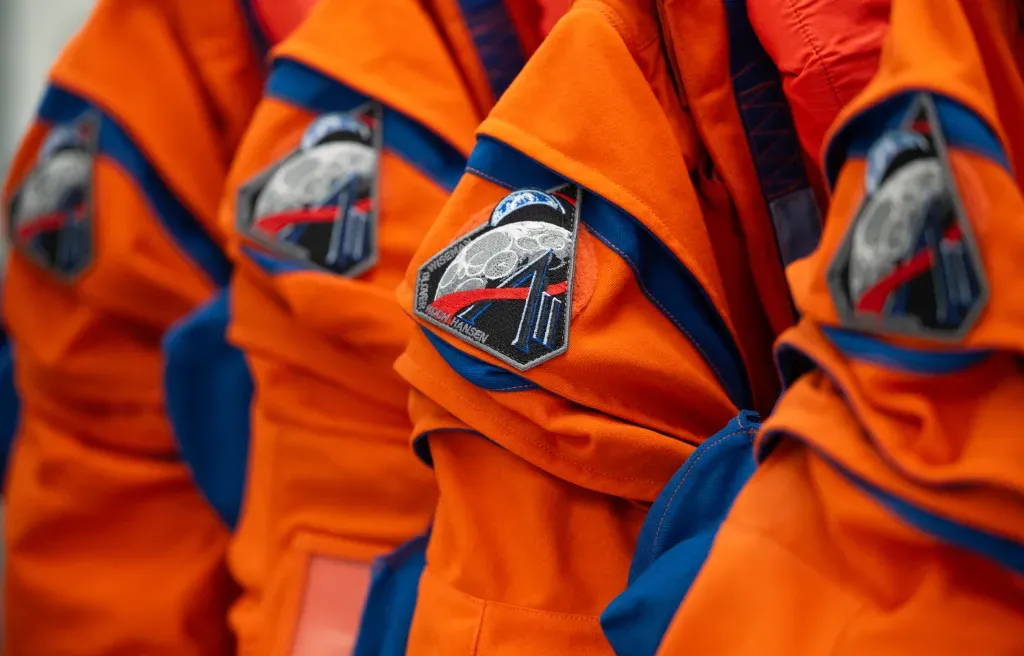
The Moon, Up Close and Personal
One of the more fascinating aspects? The human element. While Orion is packed with 32 cameras (15 mounted, 17 handheld), the astronauts' own eyes and brains are still considered prime observation tools. They'll be studying the Moon's near and far sides, looking for subtle changes in color and texture that machines might miss. Which, if you think about it, is both impressive and slightly terrifying. Our squishy human eyeballs are still beating out advanced optics in some respects.
They'll even temporarily lose communication as Orion ducks behind the Moon, making their closest approach at 7:02 p.m. and reaching their farthest point from Earth just three minutes later. At that distance, the Moon will appear about the size of a basketball held at arm's length. They might also be the first humans to see parts of the Moon's far side without any aid. Let that satisfying number sink in.
What's on the Menu?
If you're going to break records and stare at the far side of the Moon, you need good fuel. The Artemis II crew has 189 different menu items, including coffee, smoothies, tortillas, nuts, and, yes, barbecue beef brisket. Because even in deep space, a little comfort food goes a long way. They're balancing calorie needs, hydration, and nutrients with, crucially, personal preferences. No astronaut wants to be stuck with only freeze-dried peas for ten days.
As for their zero-gravity indicator, the crew chose a plush toy named "Rise." Designed by Lucas Ye as a tribute to the Apollo 8 "Earthrise" moment, Rise was selected from over 2,600 submissions in a global design challenge. It's a small, charming reminder that even the most high-tech missions have a soft side.
This mission is all about laying the groundwork for a continuous human presence on the Moon. It's confirming that Orion can handle a crew in deep space, recovering crucial data, and demonstrating emergency systems. So, while they won't be landing this time, they're paving the way for future lunar inhabitants. And probably inspiring a whole new generation of space-themed brisket recipes.