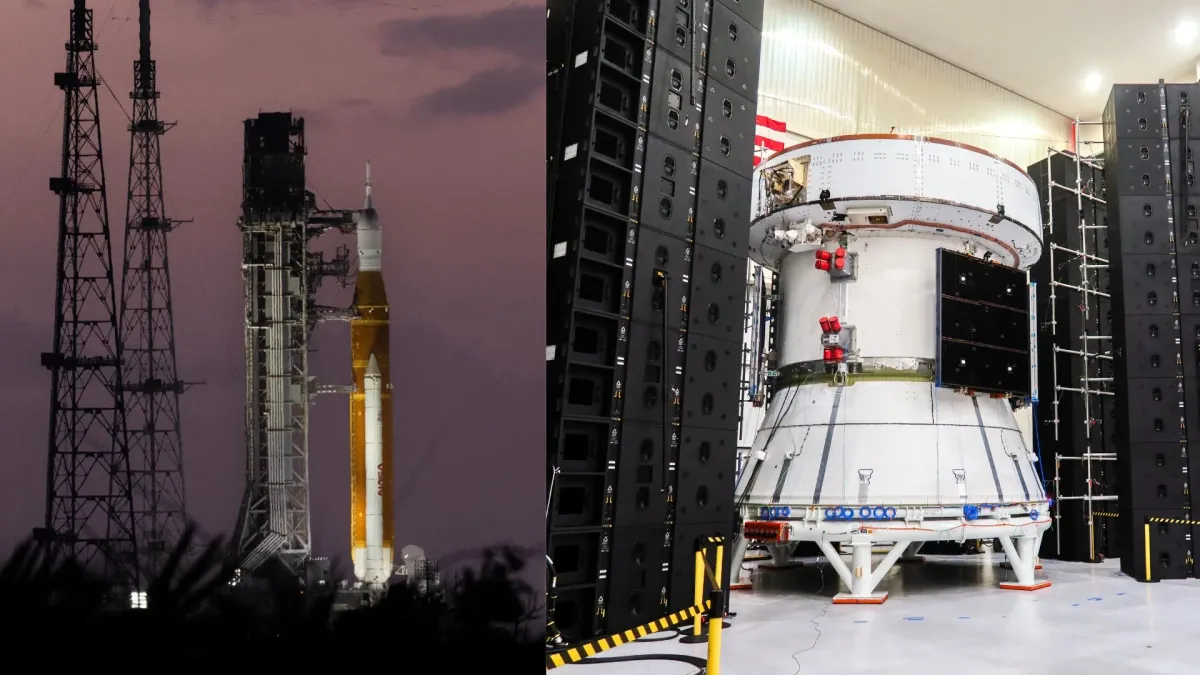
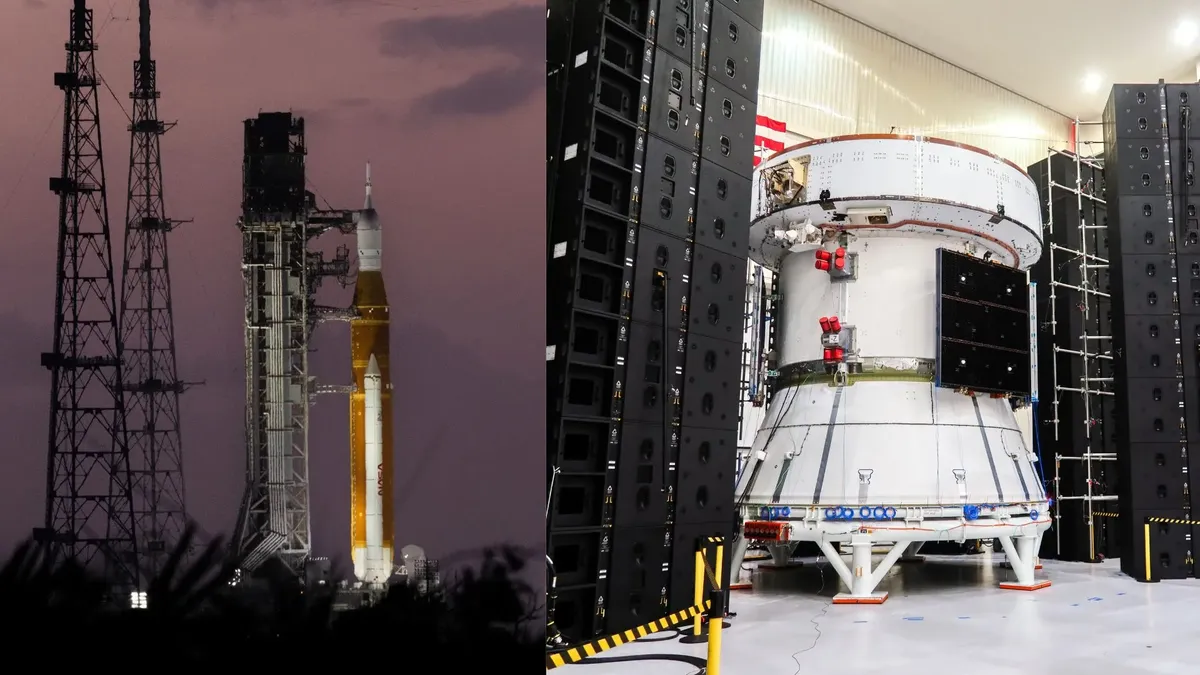
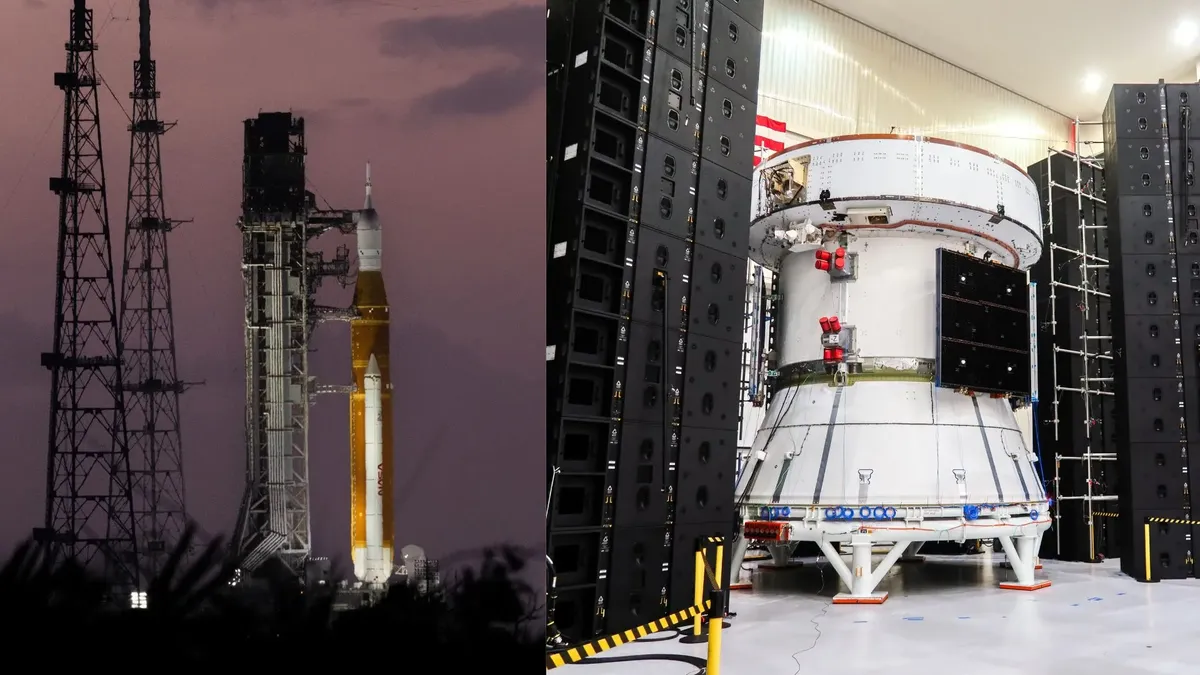
NASA is changing its plans for lunar exploration. The agency will now use the Artemis III mission to practice for future Moon landings. Instead of sending astronauts straight to lunar orbit, Artemis III will test spacecraft, docking, and crew teamwork closer to Earth.
Practicing in Earth Orbit
The mission will put Orion astronauts in low Earth orbit. They will work with new lunar lander systems from Blue Origin and SpaceX. NASA believes this approach will help find technical problems earlier. This gives engineers more time to fix issues before astronauts try to land on the Moon later this decade.
NASA introduced this new Artemis III plan earlier this year. It aims to make missions more reliable. Officials now see this flight as a way to integrate all the systems, not just a trip to deep space.
We're a new kind of news feed.
Regular news is designed to drain you. We're a non-profit built to restore you. Every story we publish is scored for impact, progress, and hope.
Start Your News DetoxA four-person crew will launch on the Space Launch System rocket from Florida. Once in orbit, the Orion spacecraft will use its European-built service module. It will then start practicing close maneuvers with commercial lander test vehicles.
NASA expects to gather important data on how spacecraft coordinate. They also want to learn about crew schedules and managing orbital traffic. Engineers also need to understand how astronauts work with multiple vehicles on longer missions.
Jeremy Parsons, acting assistant deputy administrator for Moon to Mars, said this mission adds new complexity. He noted that NASA wants crews and flight teams to get experience before going to the Moon's surface.
Hardware and Mission Changes
The updated mission also changes how the SLS rocket will fly. NASA will remove the interim cryogenic propulsion stage used before. A structural spacer will replace it. This hardware will match the upper stage's size and weight but won't provide propulsion.
Manufacturing has already begun at NASA’s Marshall Space Flight Center in Alabama. Teams are making structural rings and barrel sections. These will then be welded and assembled.
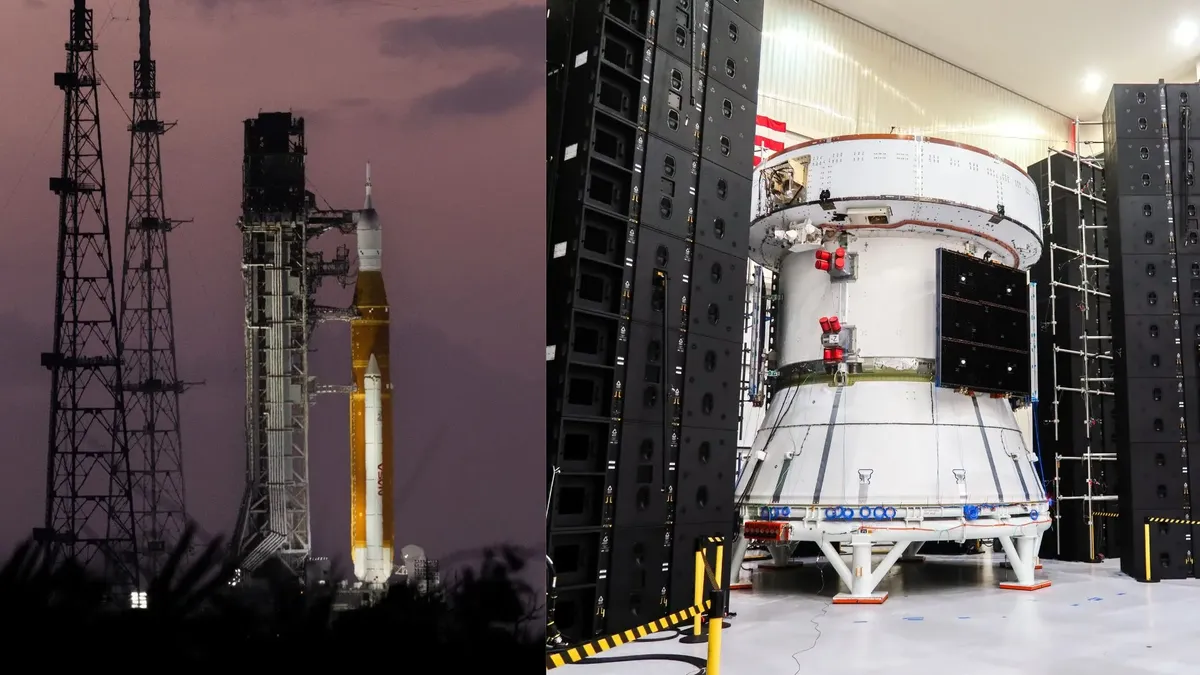
NASA chose low Earth orbit for the mission because it offers more flexibility for launch times. This is important when coordinating Orion, commercial landers, and other systems from different providers.
The agency plans to push Orion further than previous crewed test flights. Astronauts will stay aboard longer than the Artemis II crew. They will also perform the spacecraft's first docking demonstrations in orbit.
NASA also plans to test upgraded heat shield technology during reentry. Engineers want these changes to allow for more landing conditions on future deep-space missions.
Some mission details are still being reviewed. NASA is studying if astronauts could enter one of the lander test vehicles during the flight. The agency is also looking into deploying CubeSats and testing spacesuit compatibility with Axiom Space’s lunar suit systems.
NASA has also started asking for proposals for alternative communication support. This is because the mission will operate without the Deep Space Network.
Instead of just rushing to the Moon, NASA is now focused on building a stronger system for long-term exploration. Artemis III will likely be the testing ground for how NASA, commercial partners, and astronauts work together before the next phase of lunar missions.